The AI Technology Behind TDZ-FMA’s Clinical Innovation and Success
Introduction
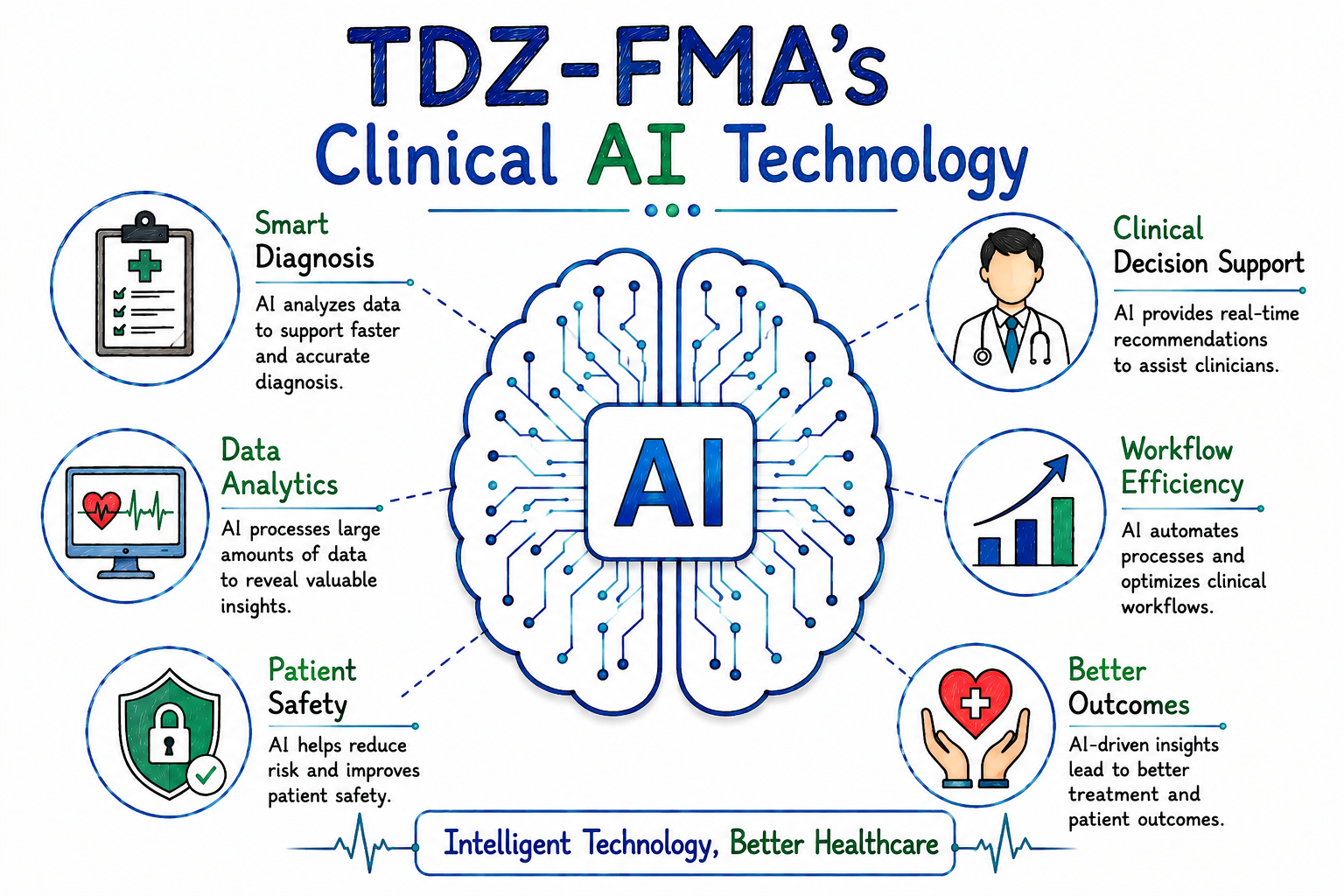
Artificial intelligence is transforming healthcare by enabling faster analysis, smarter decision-making, and more personalized patient experiences. The AI technology behind TDZ-FMA’s clinical innovation represents how advanced software systems, data intelligence, and automation can help modern healthcare organizations improve efficiency and deliver better outcomes.
Clinical AI platforms combine machine learning, data analytics, automation, and intelligent workflows to support healthcare professionals. By turning complex medical data into actionable insights, these technologies are helping create a more connected and efficient healthcare ecosystem.
What Is TDZ-FMA’s Clinical AI Technology?
TDZ-FMA’s clinical AI technology refers to an advanced healthcare software approach that uses artificial intelligence to improve clinical processes, analyze healthcare information, and support better decision-making.
A modern clinical AI stack typically includes:
- Machine learning models
- Healthcare data analytics
- AI-powered decision support
- Natural language processing (NLP)
- Automated workflows
- Secure data management systems
These technologies work together to process large volumes of healthcare data and provide meaningful insights for medical teams.
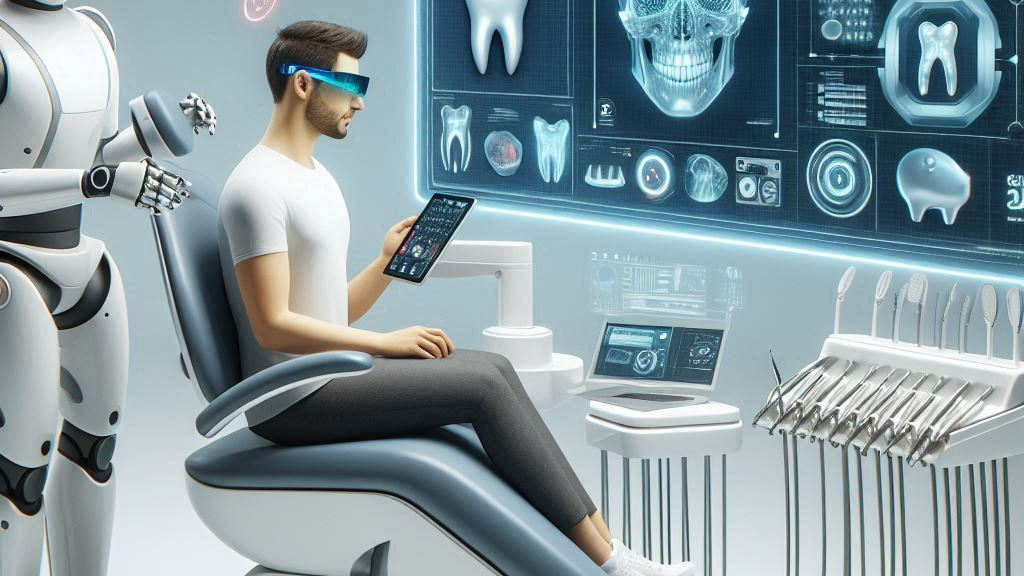
Key Technologies Behind TDZ-FMA’s Clinical AI Stack
1. Machine Learning for Clinical Insights
Machine learning is a core component of healthcare AI systems. It allows software to identify patterns in medical data and improve predictions over time.
Applications include:
- Risk assessment
- Patient outcome prediction
- Clinical pattern recognition
- Treatment support
- Healthcare trend analysis
Machine learning helps healthcare providers make more informed decisions using data-driven insights.
2. Artificial Intelligence-Powered Data Analysis
Healthcare generates massive amounts of information, including patient records, medical reports, and operational data.
AI analytics helps transform this information into useful intelligence by:
- Detecting hidden patterns
- Improving reporting accuracy
- Supporting research
- Identifying potential risks
- Optimizing healthcare operations
3. Natural Language Processing (NLP)
Clinical information often exists in text formats such as medical notes, reports, and documentation. NLP enables AI systems to understand and process human language.
NLP can help with:
- Medical document analysis
- Automated record organization
- Clinical information extraction
- Faster documentation workflows
This reduces administrative workload and improves access to important information.
4. AI-Driven Clinical Decision Support
Clinical decision support systems use AI to provide healthcare professionals with relevant insights during decision-making.
These systems can support:
- Diagnosis assistance
- Treatment planning
- Risk identification
- Patient monitoring
- Evidence-based recommendations
AI does not replace healthcare professionals but helps enhance their ability to make informed choices.
5. Healthcare Data Security and Management
Because healthcare data is highly sensitive, AI platforms require strong security and privacy systems.
Important features include:
- Secure data storage
- Access controls
- Data protection methods
- Compliance-focused workflows
- Responsible AI practices
Protecting patient information is essential for successful healthcare AI adoption.
How TDZ-FMA’s AI Technology Supports Clinical Innovation
Improving Healthcare Efficiency
AI automation helps reduce repetitive administrative tasks, allowing healthcare teams to focus more on patient care.
Enhancing Data-Driven Decisions
AI systems provide faster access to insights from complex healthcare information, supporting better clinical strategies.
Reducing Operational Challenges
Intelligent workflows help organizations improve processes, reduce delays, and manage resources more effectively.
Supporting Personalized Healthcare
AI can analyze individual patient information to support more personalized approaches to care and treatment planning.
Benefits of Clinical AI Technology
Faster Analysis
AI can process large datasets quickly, helping healthcare teams access important information faster.
Improved Accuracy
Advanced algorithms can identify patterns that may be difficult to detect through traditional methods.
Better Patient Experiences
AI-powered solutions can improve communication, workflow speed, and service quality.
Increased Productivity
Automation reduces manual tasks and improves healthcare team efficiency.
Innovation in Healthcare Delivery
AI enables new approaches to diagnosis, research, monitoring, and healthcare management.
Challenges of Implementing Clinical AI
Despite its benefits, healthcare AI adoption involves several challenges:
Data Quality
AI models require accurate, complete, and well-organized data to perform effectively.
Integration With Existing Systems
Healthcare organizations need AI solutions that work smoothly with existing software and medical infrastructure.
Privacy and Compliance
Protecting patient information and meeting healthcare regulations remain major priorities.
Trust and Adoption
Healthcare professionals need transparency and confidence in AI-generated recommendations.
The Future of TDZ-FMA’s Clinical AI Innovation
The future of clinical AI will focus on smarter automation, advanced predictive capabilities, and deeper integration with healthcare systems.
Emerging trends include:
- Generative AI for healthcare workflows
- Real-time patient monitoring
- AI-powered medical assistants
- Predictive healthcare analytics
- Automated clinical documentation
- More personalized treatment support
As artificial intelligence continues to evolve, clinical AI platforms will play an increasingly important role in improving healthcare efficiency and innovation.
Conclusion
The AI technology behind TDZ-FMA’s clinical innovation demonstrates the growing impact of artificial intelligence in healthcare. By combining machine learning, analytics, automation, and secure data systems, clinical AI solutions help organizations improve decision-making and create more efficient healthcare processes.
The future of healthcare will depend on AI systems that are accurate, reliable, secure, and designed to work alongside medical professionals to deliver better outcomes.


Post Comment