Tech Convergence: AI, Innovation & the Future of Technology in 2026
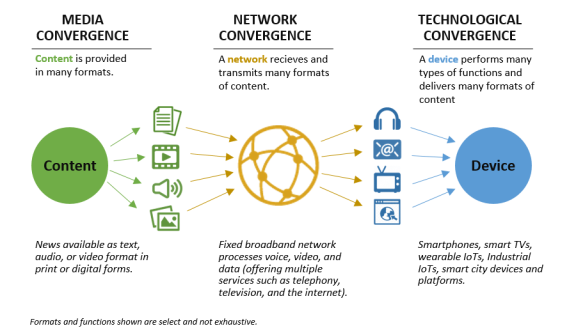
Technology is no longer developing in isolated categories. Artificial intelligence, cloud computing, robotics, cybersecurity, data analytics, automation, connected devices, and tech Convergence advanced computing are increasingly working together to create new digital capabilities.
This growing combination is known as tech convergence. In 2026, technology convergence is becoming an important part of how businesses develop products, automate operations, analyze information, and interact with customers.
Rather than relying on a single technology, organizations can combine several technologies to solve increasingly complex problems.
What Is Tech Convergence?
Tech convergence refers to the integration of different technologies, platforms, and digital capabilities to create new products, services, or solutions.
For example, an intelligent business platform might combine:
- Artificial intelligence
- Cloud computing
- Big data
- Automation
- Internet of Things (IoT)
- Cybersecurity
- Advanced analytics
Each technology provides a specific capability, but their combination can create a more powerful system.
AI is particularly important because it can act as an intelligence layer connecting information, applications, and automated processes.
Why Tech Convergence Matters in 2026
Businesses are dealing with increasing amounts of data and increasingly complex digital environments. At the same time, customers expect faster services, personalization, automation, and seamless digital experiences.
Technology convergence can help organizations bring these capabilities together.
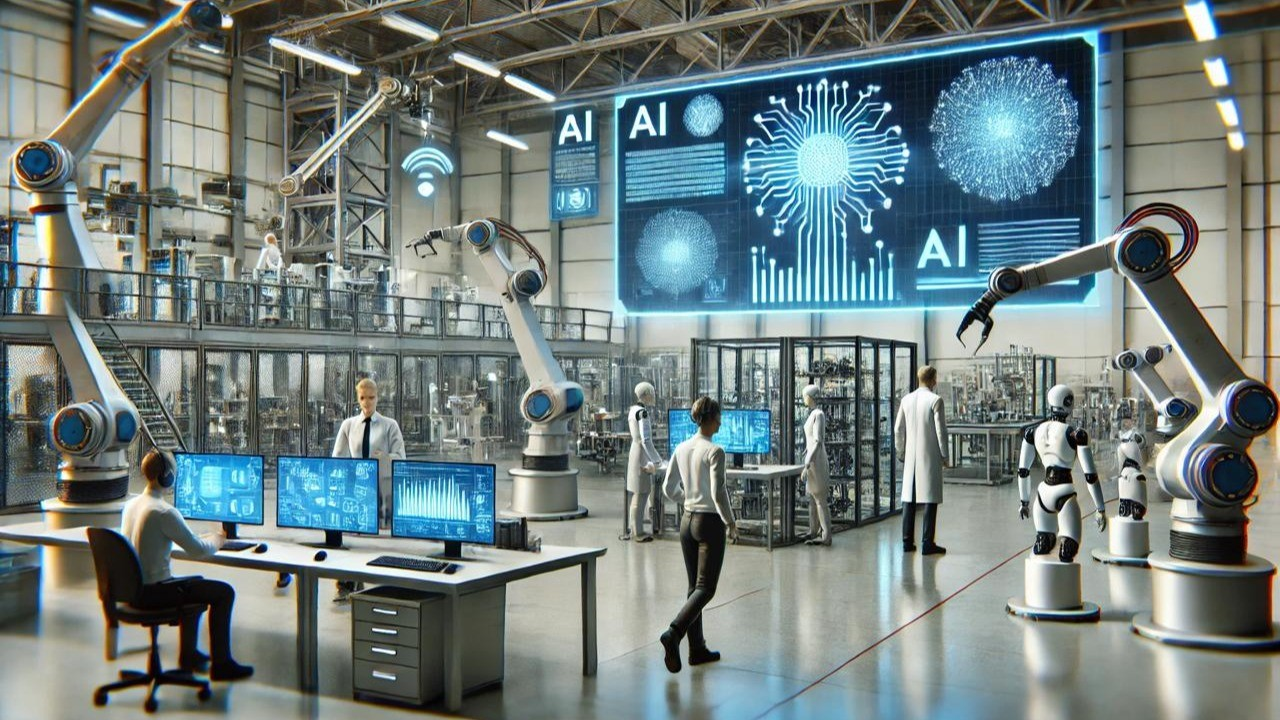
For example, a smart manufacturing environment may combine connected sensors, cloud infrastructure, computer vision, AI analytics, and robotics. Sensors collect information, cloud platforms process data, AI identifies patterns, and robots can respond to specific conditions.
This creates a connected technology ecosystem rather than a collection of independent tools.
AI as a Driver of Technology Convergence
Artificial intelligence is one of the major forces behind technology convergence.
AI can analyze large datasets, understand natural language, recognize images, generate content, make predictions, and support automated decision-making.
When AI is integrated with other technologies, its applications can expand significantly.
AI and Cloud Computing
Cloud platforms provide computing resources, storage, and scalable infrastructure for AI applications.
Businesses can use cloud-based AI services without necessarily building all the required infrastructure themselves. This can make advanced AI capabilities more accessible to organizations of different sizes.
AI and IoT
The Internet of Things connects physical devices and sensors to digital systems.
AI can analyze information collected by these devices to identify patterns and support automated responses.
For example, smart factories can use connected sensors to monitor equipment and AI models to identify unusual operating conditions.
AI and Robotics
Robotics combines physical machines with software and sensors. AI can improve a robot’s ability to interpret its environment, recognize objects, plan actions, and interact with changing conditions.
This convergence is particularly relevant to manufacturing, logistics, warehouses, agriculture, and other automated environments.
AI and Big Data
Data is one of the foundations of modern AI systems.
Organizations collect information from websites, applications, connected devices, transactions, customer interactions, and business operations. AI and machine learning can analyze this information to identify patterns and generate predictions.
The convergence of AI and big data can support:
- Customer analytics
- Demand forecasting
- Fraud detection
- Business intelligence
- Predictive maintenance
- Personalization
- Risk analysis
The quality and governance of data remain important because inaccurate or poorly managed data can reduce the usefulness of AI systems.
Tech Convergence in Business
Businesses are increasingly combining technologies to improve efficiency and create new digital services.
For example, an e-commerce company could combine AI recommendation systems, cloud computing, customer analytics, automation, and cybersecurity.
AI can analyze customer behavior, cloud systems can provide scalable infrastructure, automation can handle repetitive tasks, and security technologies can protect customer information.
The result is a connected digital workflow in which multiple technologies support the same business objective.
Tech Convergence and Healthcare
Healthcare is another area where technology convergence can create new capabilities.
Modern healthcare systems can combine AI, medical imaging, electronic records, cloud platforms, wearable devices, and data analytics.
For example, wearable devices can collect health-related measurements, cloud systems can store information, and AI tools can help analyze patterns for appropriate professional review.
Healthcare applications require particularly careful attention to privacy, security, accuracy, and regulatory requirements.
Tech Convergence in Smart Cities
Smart-city technologies demonstrate how multiple digital systems can work together.
A smart-city platform may combine:
- IoT sensors
- AI analytics
- Cloud computing
- Connected transportation
- Energy management
- Digital infrastructure
- Cybersecurity
Traffic sensors can collect information about road conditions, while AI systems can analyze traffic patterns. Connected infrastructure can then support transportation planning and resource management.
The goal is to create more connected and data-driven urban environments.
Cybersecurity and Technology Convergence
As organizations connect more technologies, cybersecurity becomes increasingly important.
A company may have cloud applications, IoT devices, AI systems, employee endpoints, databases, and automated services operating within the same environment.
This creates more opportunities for security weaknesses if systems are not properly protected.
AI can support cybersecurity by helping organizations identify unusual activity, analyze large volumes of security data, and prioritize potential threats.
At the same time, organizations must protect AI systems themselves against attacks, data leakage, manipulation, and unauthorized access.
Edge Computing and AI
Cloud computing is not the only infrastructure supporting technology convergence. Edge computing is also becoming increasingly important.
Edge computing processes some data closer to where it is generated instead of sending everything to a centralized cloud environment.
When combined with AI, edge computing can support applications that require fast responses.
Examples include:
- Autonomous machines
- Smart cameras
- Industrial monitoring
- Connected vehicles
- Robotics
- Smart devices
This can reduce latency and may also reduce the amount of data that needs to be transferred continuously to cloud systems.
The Role of Automation
Automation is another important part of tech convergence.
AI can provide intelligence, while automation platforms can execute predefined or AI-assisted actions.
For example, an organization could use AI to identify an unusual customer-service request and automatically route it to an appropriate team.
In manufacturing, AI could identify a potential equipment problem while an automated system creates a maintenance request.
These workflows can reduce repetitive manual processes while keeping humans involved in situations that require judgment.
Benefits of Tech Convergence
Technology convergence can provide several potential benefits.
Greater Efficiency
Connected systems can reduce manual data transfers and repetitive processes.
Better Decision-Making
AI and analytics can help organizations transform large amounts of data into useful insights.
Faster Innovation
Combining technologies can allow companies to develop products and services that would be difficult to create using one technology alone.
Improved Customer Experiences
AI, automation, analytics, and connected platforms can support more personalized and responsive customer experiences.
New Business Models
Technology convergence can create opportunities for subscription services, intelligent platforms, automated services, and data-driven products.
Challenges of Tech Convergence
Technology convergence also introduces challenges.
Integration Complexity
Different platforms and systems may use different architectures, standards, and data formats. Connecting them can require significant technical planning.
Security Risks
More connected systems can create additional attack surfaces.
Data Governance
Organizations need appropriate policies for collecting, storing, sharing, and processing data.
Implementation Costs
Advanced technology infrastructure can require substantial investment in software, hardware, talent, and training.
Skills Requirements
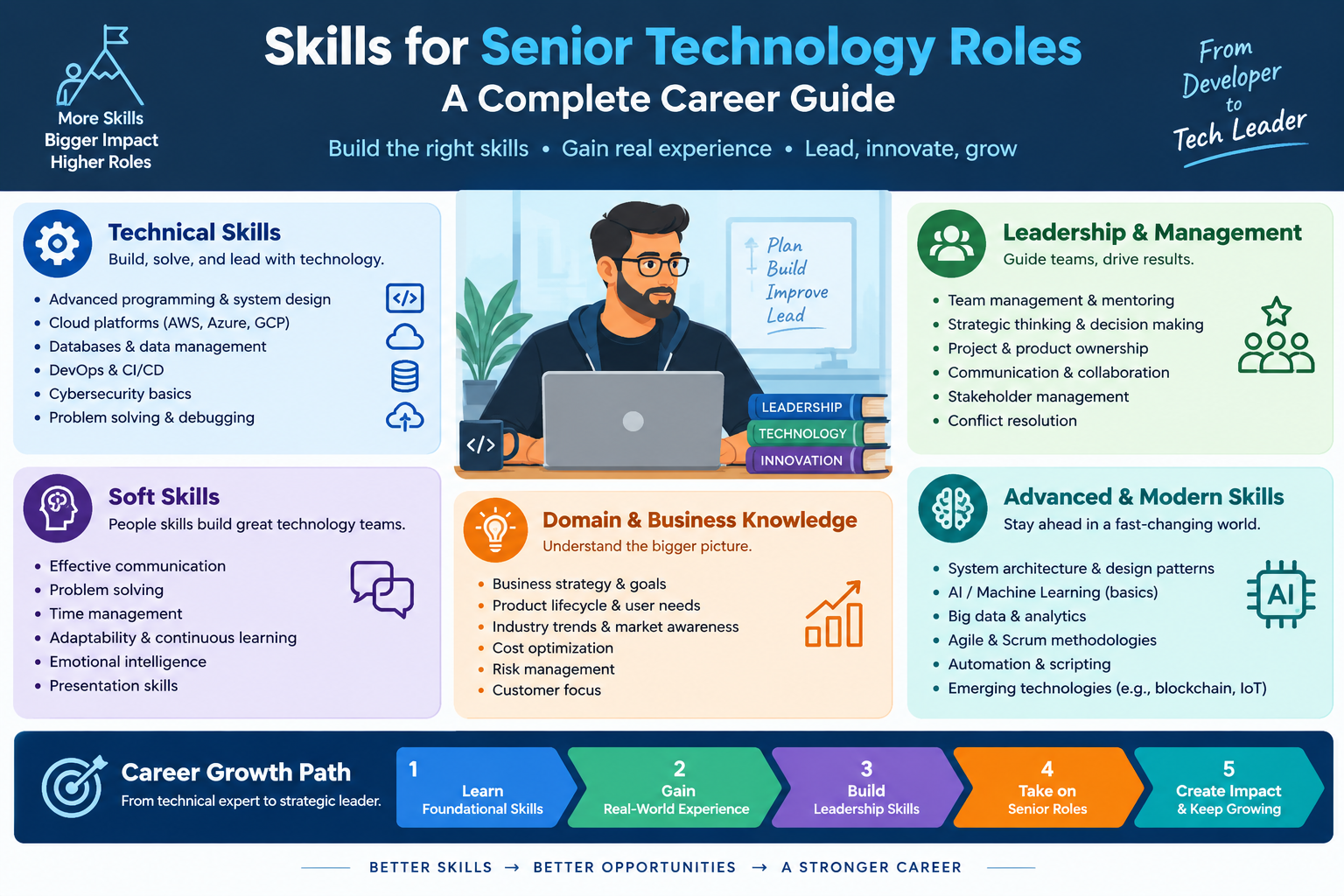
Organizations may need employees with knowledge across multiple technical disciplines, including AI, cloud computing, cybersecurity, data engineering, and automation.
The Future of Technology Convergence
The future of tech convergence is likely to involve increasingly intelligent and interconnected systems.
AI agents may interact with enterprise applications, robots, databases, and digital workflows. Edge devices may perform more AI processing locally, while cloud platforms provide large-scale computing and data management.
At the same time, technologies such as advanced robotics, computer vision, spatial computing, and next-generation connectivity can become integrated into broader digital ecosystems.
The most important development may not be any single technology. Instead, it may be the ability to combine different technologies effectively around a specific human or business need.
Conclusion
Tech convergence represents the growing integration of AI, cloud computing, IoT, robotics, big data, automation, cybersecurity, and other technologies.
In 2026, this convergence is helping organizations develop more connected systems, automate workflows, analyze data, and create new digital experiences.
AI is playing a central role by providing intelligence that can connect different technologies and turn large amounts of data into actionable information. However, successful technology convergence also requires strong security, data governance, infrastructure, skilled teams, and thoughtful implementation.
As these technologies continue to develop, their combined capabilities will remain an important part of the future of digital innovation.

Post Comment