Skills for Senior Technology Roles: A Complete Career Guide
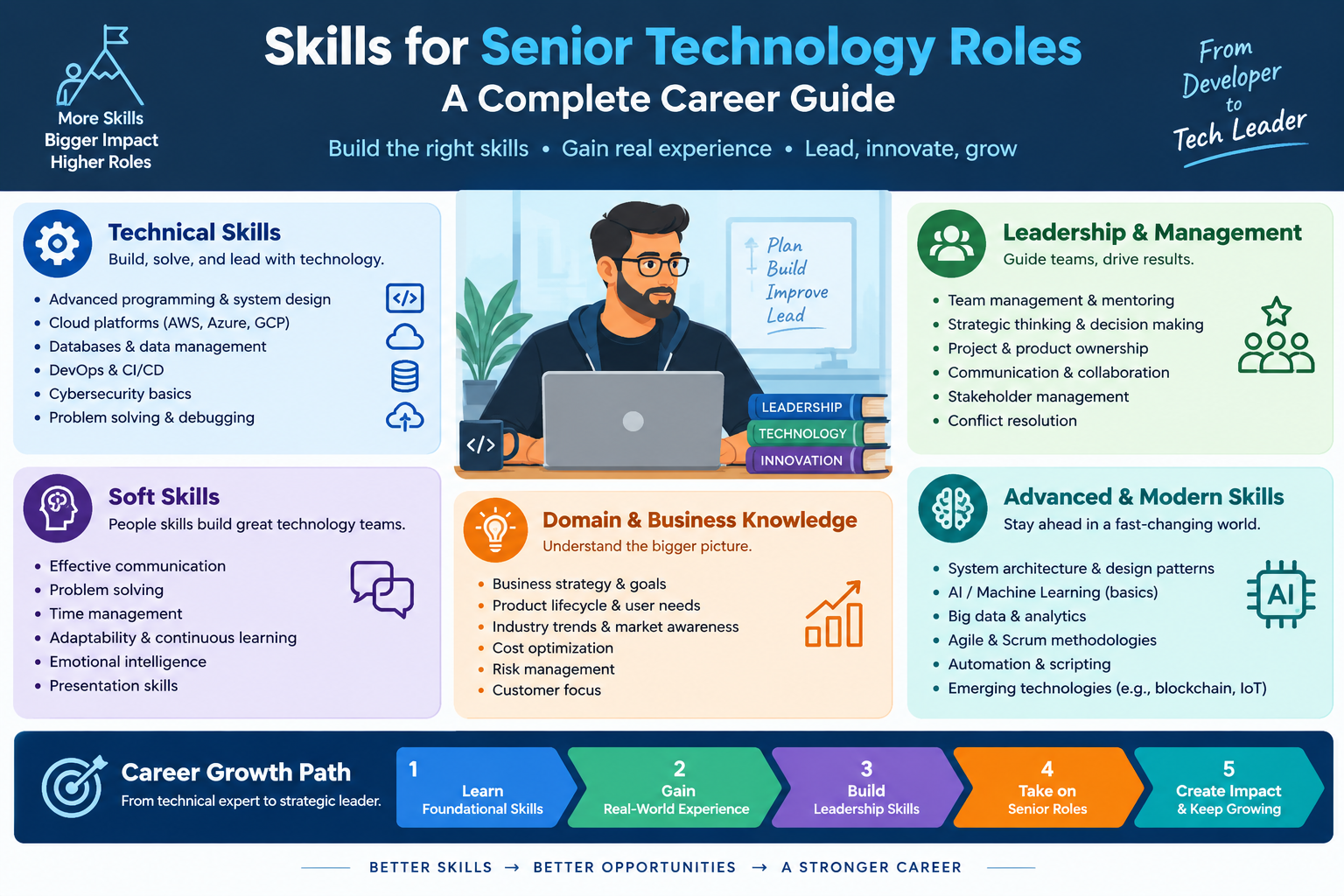
Technology careers continue to evolve as businesses adopt artificial intelligence, cloud computing, cybersecurity, automation, data analytics, and other digital solutions. As professionals move beyond entry-level and mid-level positions, employers increasingly look for a combination of technical expertise, leadership ability, communication, and strategic thinking. Understanding the right skills for senior technology roles can help professionals prepare for greater responsibilities and long-term career growth.
What Are Senior Technology Roles?
Senior technology roles involve more than completing technical tasks. Professionals in these positions may be responsible for leading teams, managing complex projects, designing technology strategies, solving business problems, and making important technical decisions.
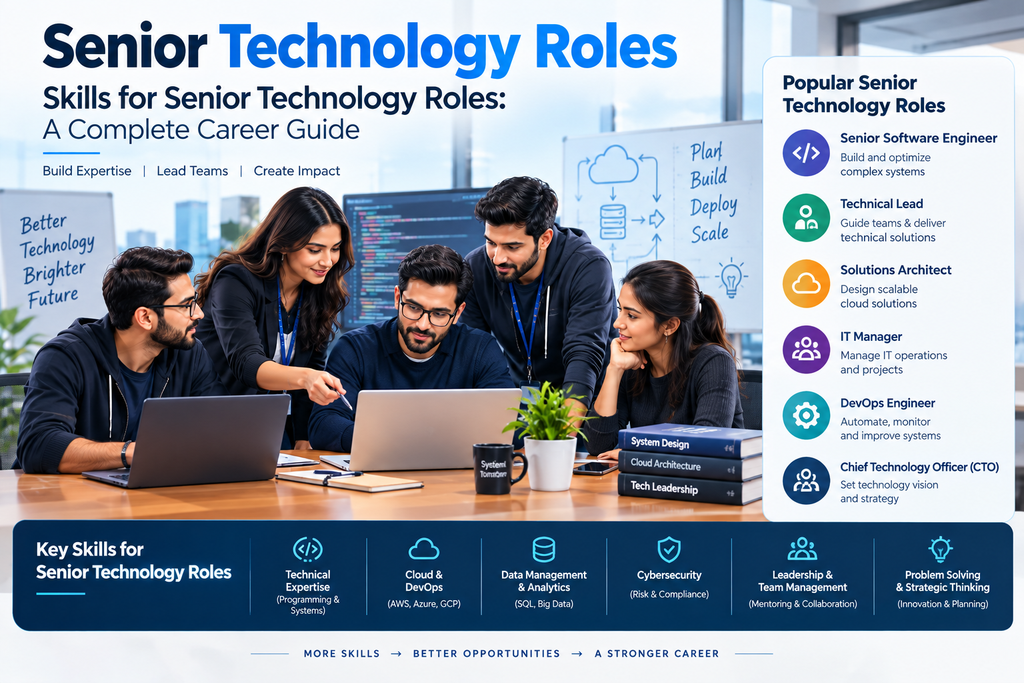
Examples of senior technology positions include:
- Senior Software Engineer
- Engineering Manager
- Solutions Architect
- Cloud Architect
- IT Manager
- Data Engineering Manager
- Cybersecurity Manager
- Technology Consultant
- Technical Product Manager
- Chief Technology Officer
The exact responsibilities vary by organization, but senior roles generally require broader knowledge and stronger decision-making skills.
1. Advanced Technical Knowledge
One of the most important skills for senior technology roles is advanced technical knowledge. Professionals should have a strong understanding of the technologies relevant to their field.
For example, software professionals may need expertise in programming languages, system architecture, databases, APIs, and software development practices. Cloud professionals may need experience with cloud platforms, infrastructure, networking, and security.
Senior professionals are not necessarily expected to know every technology. Instead, they should understand the technologies they work with deeply enough to make informed decisions and guide other team members.
2. Leadership and Team Management
Senior technology professionals often work with teams, making leadership an essential skill.
Effective technology leaders should be able to:
- Delegate responsibilities
- Support team members
- Set clear expectations
- Resolve workplace conflicts
- Provide constructive feedback
- Encourage collaboration
- Manage priorities
- Help employees develop their skills
Leadership is especially important for professionals moving from individual contributor positions into management or team-lead roles.
3. Communication Skills
Technical expertise has limited value if a professional cannot communicate ideas clearly.
Senior technology employees regularly communicate with developers, managers, executives, clients, and other departments. They may need to explain complex technical concepts to people without a technical background.
Strong communication includes:
- Clear writing
- Confident presentations
- Active listening
- Technical documentation
- Business communication
- Stakeholder management
Being able to explain the business impact of a technical decision can be particularly valuable at senior levels.
4. Strategic Thinking
Senior professionals often need to think beyond individual tasks and consider the bigger picture.
Strategic thinking involves understanding how technology can support business objectives. Instead of simply asking whether a particular technology can be implemented, senior professionals may need to consider its cost, scalability, security, maintenance requirements, and potential business value.
This skill can help technology professionals contribute to long-term planning and organizational decision-making.
5. Problem-Solving and Critical Thinking
Complex problems are common in technology environments. Systems can fail, projects can experience delays, security risks can emerge, and business requirements can change unexpectedly.
Senior professionals should be able to analyze problems systematically, identify potential causes, compare solutions, and make practical decisions.
Critical thinking can also help professionals avoid making technology decisions based only on trends. A solution should be evaluated according to the organization’s actual requirements and resources.
6. Project Management
Technology projects often involve multiple teams, deadlines, budgets, and technical dependencies.
Knowledge of project management can therefore be valuable for professionals preparing for senior positions.
Important areas include:
- Project planning
- Resource management
- Risk management
- Timeline management
- Scope management
- Team coordination
- Performance tracking
Professionals do not always need to become dedicated project managers, but understanding project management principles can make it easier to lead technology initiatives.
7. Cloud Computing Skills
Cloud technology has become an important part of modern IT infrastructure. Professionals working toward senior roles can benefit from understanding cloud architecture, cloud security, storage, networking, deployment, and scalability.
Experience with major cloud platforms can also be useful depending on the target role.
Cloud knowledge is particularly relevant for professionals interested in:
- Cloud architecture
- DevOps
- Software engineering
- Infrastructure management
- Data engineering
- Cybersecurity
- Enterprise technology
8. Cybersecurity Awareness
Cybersecurity is no longer limited to dedicated security teams. Technology professionals across different disciplines increasingly need to understand security principles.
Senior employees may be involved in decisions related to access control, data protection, application security, infrastructure security, compliance, and risk management.
Developing cybersecurity awareness can therefore strengthen a technology professional’s overall skill set.
9. Artificial Intelligence and Automation
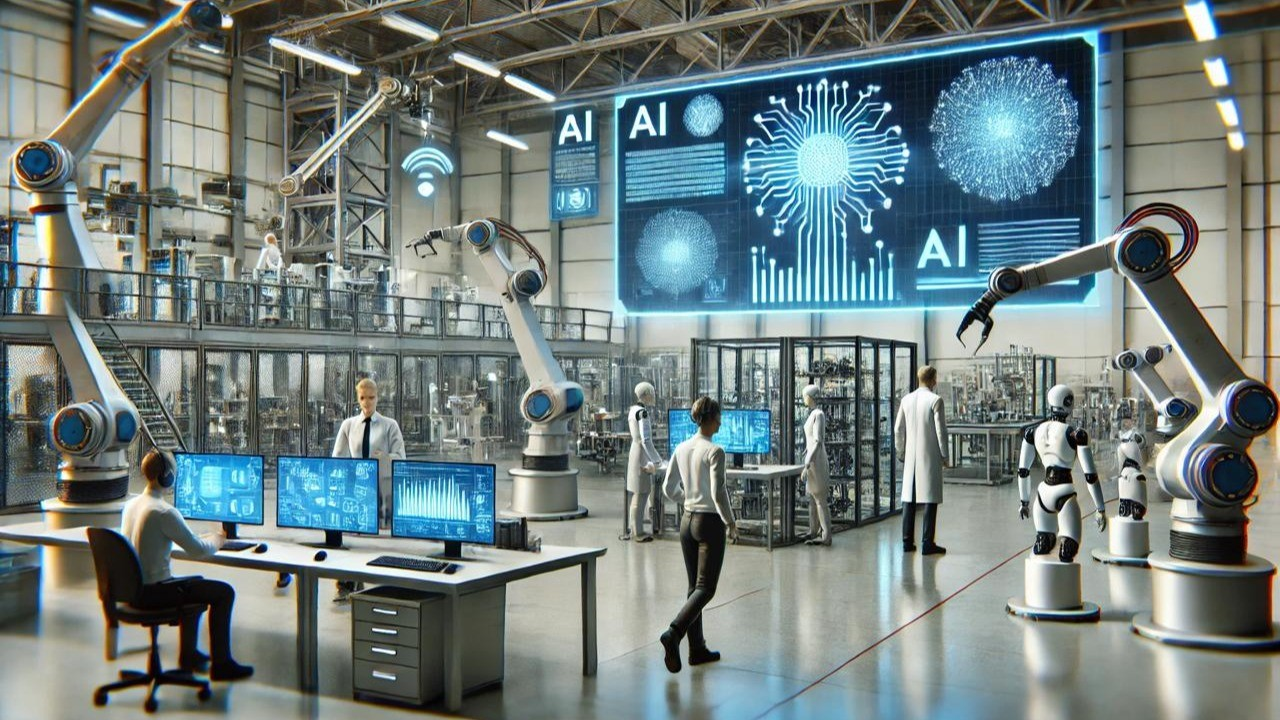
Artificial intelligence and automation are changing many technology workflows. Professionals preparing for advanced roles should understand how these technologies can be applied responsibly within their area of expertise.
Useful areas to explore include:
- Generative AI
- Machine learning fundamentals
- AI-assisted development
- Workflow automation
- Data analysis
- AI governance
- Responsible AI practices
The goal does not necessarily have to be becoming an AI specialist. Understanding how AI can affect technology operations and business processes can help professionals make better strategic decisions.
10. Business and Financial Awareness
Senior technology professionals increasingly need to understand the business side of technology.
Important areas include:
- Budgeting
- Return on investment
- Business requirements
- Cost management
- Customer needs
- Operational efficiency
- Technology strategy
For example, when recommending a new system, a senior professional may need to explain not only how it works but also how much it costs, what problem it solves, and what benefits it could provide.
11. Adaptability and Continuous Learning
Technology changes quickly. Programming frameworks, cloud services, security practices, AI tools, and development methodologies can evolve within a relatively short period.
Continuous learning is therefore one of the most valuable long-term skills for technology professionals.
Professionals can continue learning through:
- Online courses
- Professional certifications
- Technical books
- Industry events
- Practical projects
- Professional communities
- Internal workplace training
A strong learning habit can help professionals remain relevant as technology environments change.
12. Building a Strong Professional Portfolio
Experience is important when preparing for senior roles, but professionals should also be able to demonstrate what they have accomplished.
A strong portfolio can include:
- Major projects
- Technical achievements
- Leadership experience
- System improvements
- Automation projects
- Certifications
- Open-source contributions
- Measurable business results
Whenever possible, describe achievements using specific outcomes. For example, explaining that a project reduced processing time or improved system reliability provides more useful information than simply listing the project name.
How to Prepare for Senior Technology Roles
Developing the right skills for senior technology roles requires a structured approach.
Step 1: Choose a Career Direction
Start by identifying the type of senior position you want to pursue. A software engineering leader will need a somewhat different skill set from a cybersecurity manager or cloud architect.
Step 2: Identify Skill Gaps
Compare your current experience with job descriptions for your target roles. Look for recurring requirements such as leadership, cloud knowledge, architecture, project management, or communication.
Step 3: Gain Practical Experience
Apply new knowledge through real projects whenever possible. Practical experience can help turn theoretical knowledge into useful professional capability.
Step 4: Develop Leadership Experience
Look for opportunities to mentor colleagues, lead projects, coordinate teams, or take responsibility for important technical decisions.
Step 5: Strengthen Business Knowledge
Learn how technology decisions affect budgets, customers, operations, and organizational goals. This can help prepare you for the broader responsibilities associated with senior positions.
Step 6: Keep Learning
Create a long-term learning plan rather than trying to master every new technology at once. Focus on skills that are relevant to your career direction.
Common Mistakes to Avoid
Professionals preparing for senior technology positions can sometimes focus too heavily on technical skills while overlooking other requirements.
Common mistakes include:
- Ignoring communication skills
- Avoiding leadership responsibilities
- Learning technologies without practical application
- Focusing only on certifications
- Neglecting business knowledge
- Failing to document professional achievements
- Not adapting to changes in the industry
A balanced skill set can be more useful than expertise in only one narrow area.
Final Thoughts
Building the right skills for senior technology roles requires more than learning additional programming languages or collecting certifications. Successful career development can involve technical expertise, leadership, communication, strategic thinking, problem-solving, business awareness, and continuous learning.
Professionals who combine strong technical foundations with broader organizational skills can prepare themselves for greater responsibilities and new opportunities within the technology industry.

Post Comment