What Is Semantic Search in AI? Meaning, Examples & Benefits
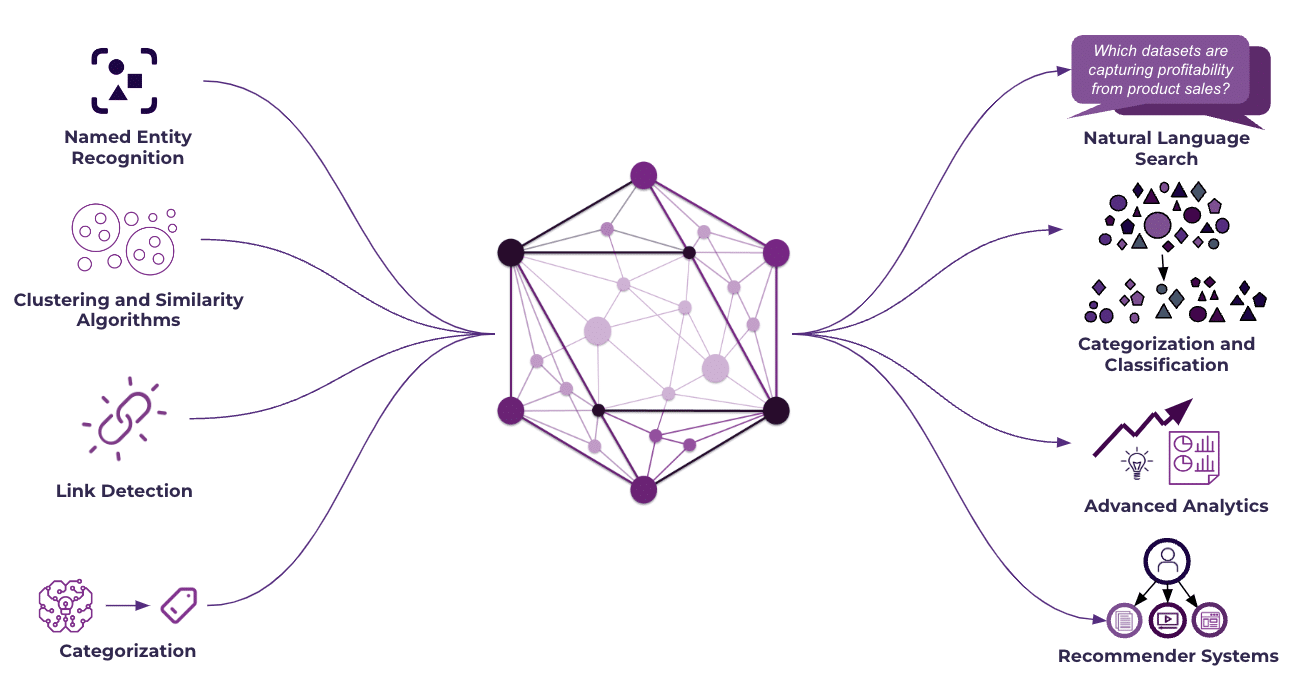
Search technology has evolved significantly with the development of artificial intelligence. Traditional search systems often depend on matching words and phrases, while modern semantic search in AI focuses on understanding the meaning, context, and intent behind a user’s query.
This approach allows search systems to find relevant information even when the wording in the query is different from the wording used in the content. Semantic search is now used across areas such as web search, e-commerce, enterprise knowledge bases, recommendation systems, and AI applications.
What Is Semantic Search in AI?
Semantic search in AI is a search technology that attempts to understand the meaning and intent behind a user’s query instead of relying only on exact keyword matches.
For example, imagine a user searches for:
“Affordable phones with excellent cameras.”
A traditional keyword system may primarily look for pages containing terms such as “affordable,” “phones,” and “cameras.”
A semantic search system can interpret the query as a request for budget-friendly smartphones with strong photography capabilities. It can therefore identify relevant content even when the exact wording is different.
How Does Semantic Search Work?
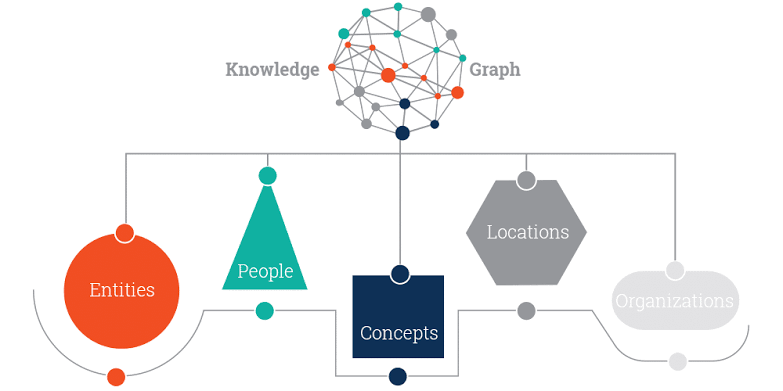
AI-powered semantic search can use natural language processing, machine learning, embeddings, knowledge graphs, and other information-retrieval techniques.
A simplified process looks like this:
1. Query Understanding
The system analyzes the user’s search query and identifies important concepts, entities, relationships, and likely intent.
2. Text Representation
Modern systems can convert queries and documents into numerical representations called embeddings. These representations capture aspects of the meaning of the text.
3. Semantic Matching
The system compares the representation of the query with representations of available documents or content. Content with a closer semantic relationship can be considered more relevant.
4. Ranking Results
The retrieved information is then ranked according to relevance and other signals before being presented to the user.
Semantic Search Example
Consider the query:
“How can I reduce the amount of electricity I use at home?”
A traditional keyword search might focus heavily on pages containing those exact terms.
Semantic search can understand that the user is interested in reducing household energy consumption. It may therefore retrieve information about energy-efficient appliances, insulation, smart thermostats, or reducing electricity usage even when those exact words are not present in the query.
This ability to connect related concepts is one of the main advantages of semantic search.
Semantic Search vs Keyword Search
The biggest difference is how the two systems interpret queries.
| Feature | Keyword Search | Semantic Search |
| Main focus | Words and phrases | Meaning and intent |
| Exact matching | Important | Less important |
| Context | Limited | More important |
| Synonyms | Can be challenging | Better at connecting related concepts |
| Natural-language queries | More limited | Better suited |
| AI/NLP | Not always required | Commonly used |
| Search intent | Limited interpretation | Stronger interpretation |
Keyword search remains useful for exact terms, identifiers, product codes, and other precise searches. Semantic search is particularly useful when users express complex ideas or use different wording from the available content.
Benefits of Semantic Search
1. More Relevant Results
By considering meaning and intent, semantic search can return information that is conceptually related to the user’s query rather than simply matching individual words.
2. Better Natural-Language Understanding
Users can phrase searches as normal questions or conversational requests instead of trying to identify the exact keywords used by a website or database.
3. Improved Content Discovery
Semantic search can help users discover relevant documents even when those documents use different terminology.
4. Better User Experience
More relevant search results can reduce the amount of time users spend reformulating queries or browsing irrelevant information.
5. Useful for AI Applications
Semantic retrieval is particularly useful for AI assistants and retrieval-augmented generation (RAG) systems because relevant information needs to be located before an AI model can use it to generate an answer.
Real-World Examples of Semantic Search
Semantic search can be applied in many industries and digital services.
E-Commerce
A customer might search for:
“Warm gloves for winter hiking.”
A semantic search system can identify products associated with warmth, insulation, winter use, and outdoor activities even when product descriptions use different terminology.
Enterprise Search
Employees can search company documents using natural language. For example:
“Where can I find our customer cancellation policy?”
The system can potentially retrieve documents discussing subscription cancellation procedures even if the exact phrase “customer cancellation policy” is not used.
AI Assistants
AI assistants can use semantic retrieval to locate relevant information from documents, knowledge bases, or other sources before generating responses.
Content Discovery
Websites can use semantic search to connect users with articles, guides, and resources related to the underlying topic rather than relying exclusively on exact phrases.
Semantic Search and Vector Embeddings
One important technology behind modern semantic search is the vector embedding.
An embedding represents text as a numerical vector. Similar concepts can be represented closer together in a mathematical space, allowing systems to compare content based on semantic similarity.
For example, the concepts “running shoes”, “jogging footwear,” and “athletic sneakers” may be recognized as closely related even though the phrases are not identical.
Vector search can then help retrieve content that is semantically similar to the user’s query.
Semantic Search and SEO
Semantic search has also influenced how content creators approach SEO.
Instead of focusing exclusively on repeating one keyword, publishers can create comprehensive content that addresses the broader topic and user intent.
For example, an article targeting “semantic search in AI” can naturally discuss:
- What semantic search means
- How semantic search works
- AI and natural language processing
- Semantic search examples
- Semantic search vs keyword search
- Vector embeddings
- Benefits of semantic search
- Business applications
This creates content that covers related concepts naturally rather than relying on repetitive keyword usage.
Limitations of Semantic Search
Although powerful, semantic search is not flawless.
Building semantic search systems can require more complex technology and infrastructure than basic keyword search. Modern implementations may involve embedding models, vector databases, ranking systems, and additional data-processing components.
Semantic search can also be less suitable for certain exact-match tasks. For example, searching for a specific product SKU, error code, model number, or document identifier may benefit from traditional keyword matching.
For this reason, many search systems can benefit from combining semantic and keyword-based retrieval rather than relying entirely on one approach.
Future of Semantic Search in AI
As AI systems become more capable of understanding natural language, semantic search is likely to remain an important part of modern information retrieval.
It can support AI assistants, enterprise search, e-commerce discovery, recommendation systems, and RAG applications by helping systems identify information based on meaning and relationships.
The future of search is therefore increasingly focused on understanding what users mean, rather than simply matching the exact words they type.
Conclusion
Semantic search in AI is a meaning-based approach to information retrieval that focuses on understanding context, relationships, and user intent. Unlike traditional keyword search, it can identify relevant information even when the wording of a query differs from the wording in the available content.
From e-commerce and enterprise search to AI assistants and content discovery, semantic search has a wide range of applications. Its combination with technologies such as natural language processing, machine learning, embeddings, and vector search makes it an important part of modern AI-powered search.
For businesses and content creators, understanding semantic search can help create better search experiences and more useful, intent-focused content.



Post Comment