Use AI for Trade Shows: Everything You Need to Know in 2026
Introduction
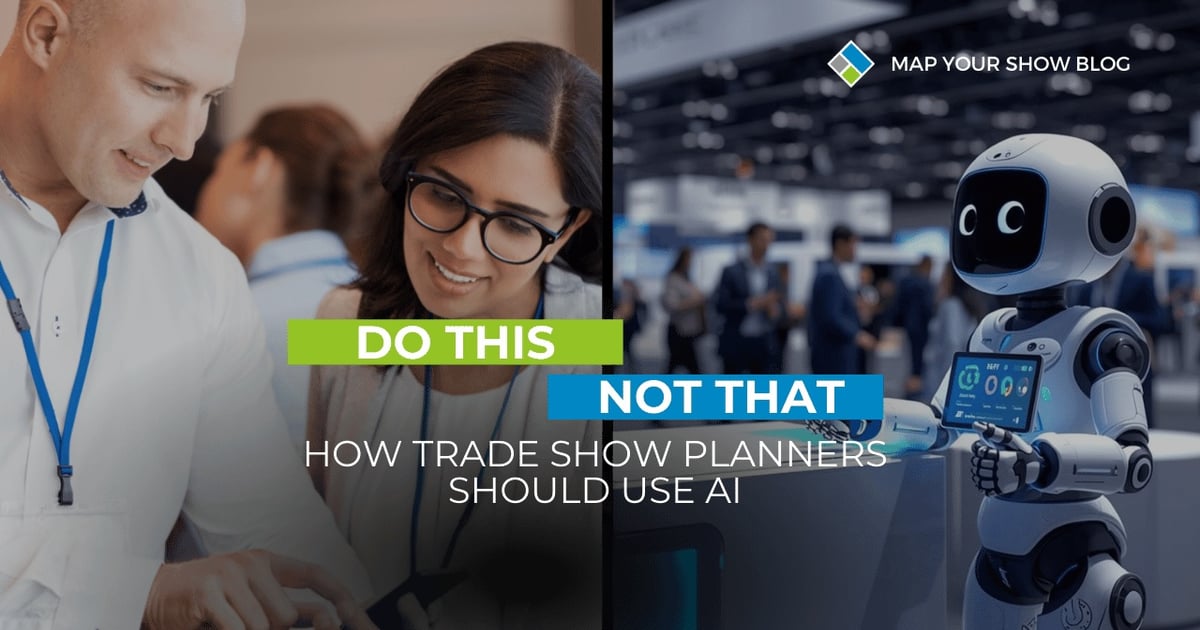
Trade shows have always been a powerful way for businesses to showcase products, connect with customers, generate leads, and build brand awareness. However, as attendee expectations continue to evolve, traditional event strategies are no longer enough. AI for Trade Shows In 2026, businesses are increasingly turning to artificial intelligence to create smarter, more personalized, and more engaging trade show experiences.
Using AI for Trade Shows allows exhibitors and organizers to automate tasks, analyze attendee behavior, improve networking, personalize interactions, and increase event ROI. From AI-powered chatbots and virtual assistants to predictive analytics and automated lead generation, artificial intelligence is transforming how companies participate in exhibitions and conferences.
This guide explains what AI for trade shows is, its benefits, key applications, best tools, implementation strategies, challenges, and future trends.
What Is AI for Trade Shows?
AI for Trade Shows refers to the use of artificial intelligence technologies to improve event planning, attendee engagement, marketing, networking, and business outcomes during exhibitions and conferences.
AI-powered trade show solutions can help businesses:
- Attract the right audience
- Personalize attendee experiences
- Automate customer interactions
- Capture and qualify leads
- Analyze event performance
- Improve booth engagement
- Optimize marketing campaigns
By combining AI with event technology, businesses can create more efficient and data-driven trade show experiences.
Why Use AI for Trade Shows?
Trade shows involve thousands of attendees, large amounts of data, and limited opportunities to create meaningful connections. AI helps businesses manage these challenges by providing automation and intelligent insights.
Key benefits include:
- Better attendee engagement
- Higher-quality leads
- Improved customer experiences
- Reduced manual workload
- Faster follow-ups
- Data-driven decision-making
- Increased return on investment (ROI)
- More personalized marketing
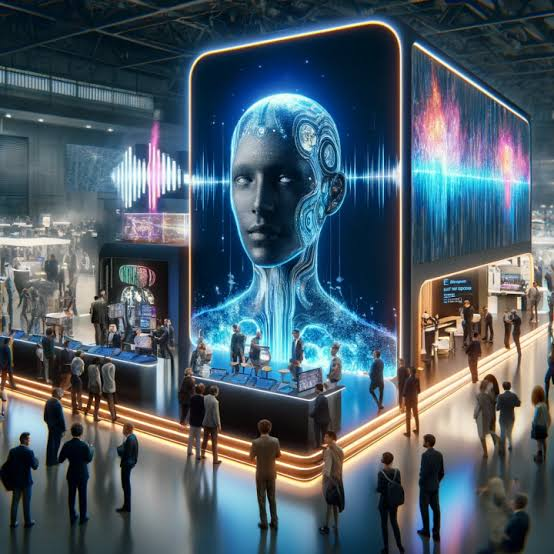
How AI Is Transforming Trade Shows
AI-Powered Chatbots
AI chatbots help exhibitors answer attendee questions instantly, provide product information, schedule meetings, and guide visitors through event experiences.
Common chatbot uses include:
- Booth assistance
- Event navigation
- Product recommendations
- FAQ responses
- Appointment scheduling
AI Lead Generation
AI tools analyze visitor information, conversations, and behavior to identify the most valuable prospects.
AI lead generation can help businesses:
- Score leads automatically
- Identify buying intent
- Prioritize follow-ups
- Improve sales efficiency
Personalized Recommendations
AI analyzes attendee interests, industry background, and behavior to recommend:
- Relevant booths
- Sessions
- Products
- Networking opportunities
- Business connections
This creates a more personalized event experience.
Predictive Analytics
AI-powered analytics help organizers and exhibitors understand:
- Expected attendance
- Visitor behavior
- Engagement patterns
- Campaign performance
- Conversion opportunities
These insights help businesses make better decisions before, during, and after events.
AI-Powered Networking
AI networking platforms match attendees based on shared interests, business goals, and professional backgrounds.
Benefits include:
- More meaningful connections
- Faster relationship building
- Improved networking efficiency
Automated Content Creation
Businesses use AI to create:
- Social media posts
- Email campaigns
- Event announcements
- Product descriptions
- Marketing materials
This reduces preparation time and improves promotional consistency.
Best Ways to Use AI at Trade Shows
Before the Event
AI can help with:
- Audience targeting
- Marketing automation
- Attendee segmentation
- Personalized invitations
- Booth design insights
- Event forecasting
During the Event
AI can support:
- Digital assistants
- Smart kiosks
- Real-time analytics
- Automated lead capture
- Visitor engagement
- Interactive demonstrations
After the Event
AI helps businesses:
- Analyze leads
- Automate follow-up emails
- Measure ROI
- Identify sales opportunities
- Improve future event strategies
AI Tools for Trade Shows
Businesses can use different AI-powered solutions, including:
AI Chatbot Platforms
Used for customer assistance, scheduling, and attendee support.
CRM AI Tools
Help manage leads, customer information, and follow-up processes.
Event Management Platforms
Provide registration automation, attendee analytics, and communication tools.
AI Analytics Platforms
Analyze visitor behavior and event performance.
Content Generation Tools
Create marketing materials, presentations, and promotional content.
Benefits for Exhibitors
Increase Booth Engagement
AI-powered experiences such as interactive displays, virtual assistants, and personalized demonstrations attract more visitors.
Improve Lead Quality
AI helps sales teams focus on high-value prospects instead of manually sorting through every contact.
Save Time
Automation reduces repetitive tasks such as answering common questions and managing follow-ups.
Measure Success
AI analytics provide insights into booth traffic, engagement, conversions, and customer interests.
Benefits for Event Organizers
AI helps organizers:
- Improve attendee experiences
- Optimize event layouts
- Predict attendance trends
- Automate communication
- Enhance security
- Improve scheduling
- Analyze event success
Challenges of Using AI for Trade Shows
Data Privacy Concerns
Businesses must handle attendee information responsibly and comply with privacy regulations.
Implementation Costs
Advanced AI solutions may require investment in technology, training, and integration.
Technical Challenges
AI systems need proper setup, reliable data, and ongoing maintenance.
Human Interaction Balance
AI should enhance human engagement rather than completely replace personal connections.
Best Practices for Implementing AI at Trade Shows
To maximize AI benefits:
- Define clear event goals before selecting AI tools.
- Choose solutions that integrate with existing systems.
- Train staff on AI technology.
- Protect attendee data.
- Use AI insights to improve decision-making.
- Combine AI automation with human interaction.
- Measure performance using clear metrics.
- Continuously improve based on feedback.
Future Trends of AI in Trade Shows
The future of AI-powered events will include:
- AI virtual event assistants
- Augmented reality (AR) and AI experiences
- AI-powered digital twins of trade shows
- Advanced attendee prediction models
- Voice-enabled event assistants
- Autonomous networking agents
- Real-time sentiment analysis
- Hyper-personalized event experiences
- AI-driven event planning automation
These innovations will make trade shows more intelligent, interactive, and valuable for both businesses and attendees.
Conclusion
Using AI for Trade Shows is becoming essential for businesses looking to create better event experiences and achieve stronger results. Artificial intelligence helps companies automate processes, generate higher-quality leads, personalize attendee interactions, and gain valuable insights from event data. As AI technology continues to advance in 2026, businesses that adopt AI-powered trade show strategies will have a competitive advantage in attracting customers, improving engagement, and maximizing event ROI.

Post Comment