Agentic AI Accountability: Everything You Need to Know in 2026
Introduction
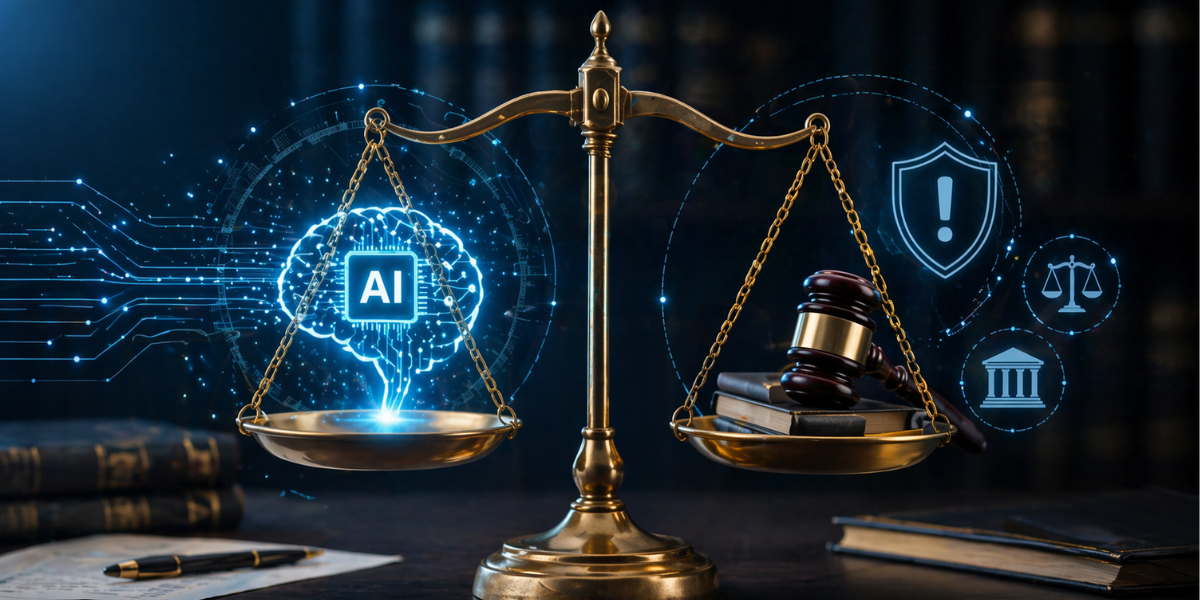
Artificial intelligence is moving beyond simple automation and decision-support systems. With the rise of Agentic AI Accountability autonomous AI systems can now plan tasks, make decisions, interact with tools, and complete complex workflows with limited human intervention. While these capabilities create new opportunities for businesses and industries, they also raise an important question: Who is responsible when an AI agent makes a mistake?
This is where Agentic AI Accountability becomes essential. Accountability ensures that AI systems operate transparently, follow defined rules, and have clear responsibility structures when decisions create risks or unexpected outcomes.
In 2026, organizations are focusing more on AI governance, ethical deployment, monitoring systems, and human oversight to ensure autonomous AI agents remain reliable, secure, and aligned with business and societal expectations.
What Is Agentic AI Accountability?
Agentic AI Accountability refers to the processes, policies, and frameworks used to ensure that autonomous AI agents can be monitored, evaluated, and held responsible for their actions and decisions.
Unlike traditional AI systems that mainly provide recommendations, agentic AI can:
- Set goals
- Make decisions
- Execute tasks
- Interact with external systems
- Adapt based on new information
- Perform actions without constant human input
Accountability frameworks help organizations understand:
- Why an AI agent made a decision
- Who approved its actions
- What data influenced the outcome
- How mistakes can be corrected
- Who is responsible for AI-driven results
Why Agentic AI Accountability Matters
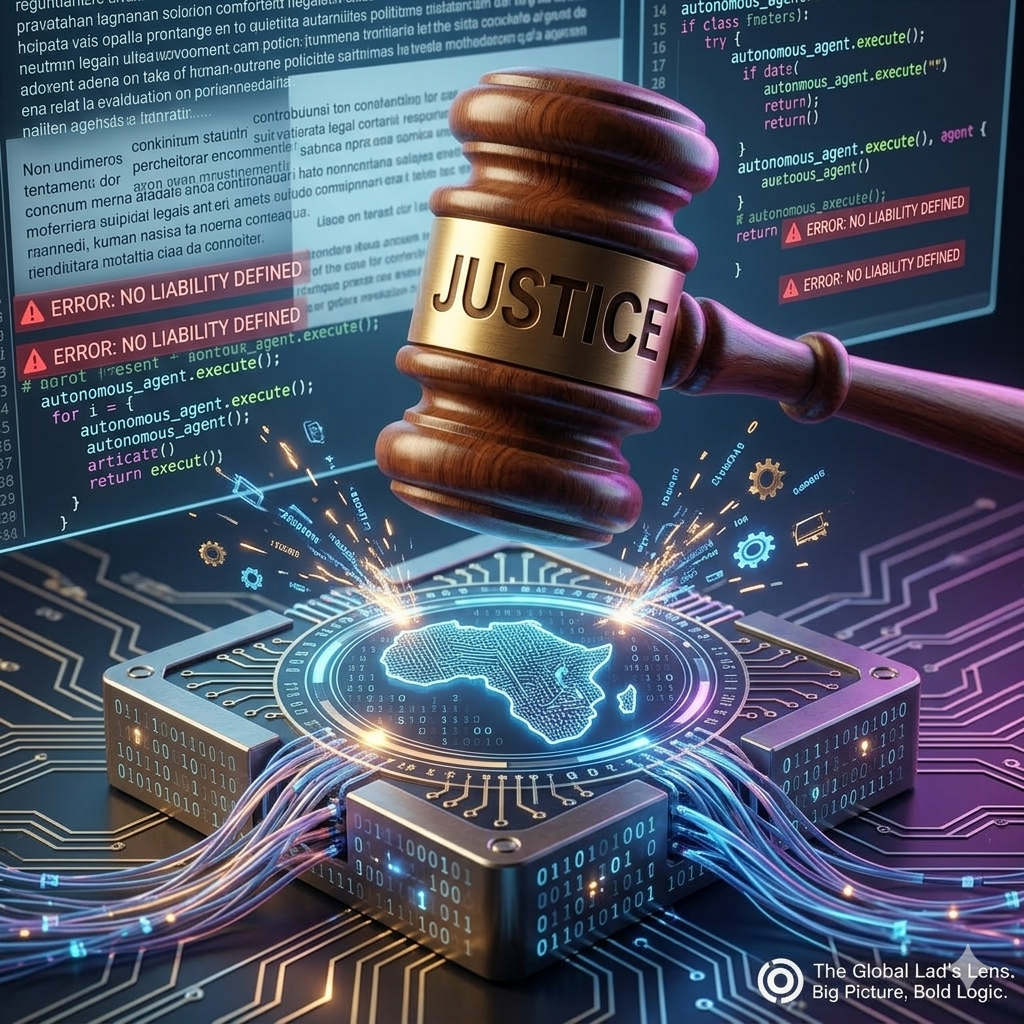
As AI agents become more powerful, accountability becomes critical for safe and responsible adoption.
Key reasons include:
Preventing Harmful Decisions
AI agents may make incorrect decisions due to inaccurate data, unexpected situations, or system limitations. Accountability mechanisms help identify and correct failures.
Building Trust
Businesses, customers, and employees are more likely to adopt AI systems when they understand how decisions are made.
Meeting Regulations
Governments and regulatory organizations are developing AI rules that require transparency, risk management, and human oversight.
Protecting Businesses
Clear accountability reduces legal, financial, and reputational risks associated with autonomous AI systems.
Challenges of Agentic AI Accountability
Lack of Clear Responsibility
When an AI agent makes an error, determining responsibility can be complicated. Responsibility may involve developers, organizations, data providers, or users.
Limited Transparency
Some AI systems operate using complex models that make it difficult to explain specific decisions.
Autonomous Decision-Making Risks
AI agents can perform actions quickly and at scale, increasing the impact of incorrect decisions.
Data Quality Issues
Poor-quality or biased training data can influence AI behavior and create unfair outcomes.
Security Threats
Attackers may manipulate AI agents through malicious inputs, unauthorized access, or system vulnerabilities.
Key Principles of Agentic AI Accountability
Transparency
Organizations should provide clear information about how AI agents operate, what data they use, and what decisions they make.
Human Oversight
Critical decisions should include human review and intervention when necessary.
Auditability
AI actions should be recorded through logs and monitoring systems to allow investigation and improvement.
Responsibility Assignment
Organizations should define clear roles for AI development, deployment, monitoring, and decision approval.
Fairness and Ethics
AI agents should operate according to ethical guidelines that reduce bias and protect user rights.
Security
Strong cybersecurity controls are required to prevent unauthorized AI actions and misuse.
How Organizations Can Build Accountable AI Agents
Establish AI Governance Frameworks
Companies should create policies that define:
- AI usage guidelines
- Risk assessment processes
- Approval requirements
- Monitoring procedures
- Compliance standards
Implement AI Monitoring
Continuous monitoring helps organizations track:
- AI decisions
- System performance
- Unexpected behaviors
- Security risks
- Compliance issues
Maintain Decision Logs
Recording AI actions creates accountability by showing:
- What the AI did
- When it acted
- Which data influenced decisions
- Which systems were involved
Define Permission Controls
AI agents should only access the tools, data, and systems required for their tasks.
Conduct Regular Audits
Regular reviews help identify weaknesses and ensure AI systems remain aligned with organizational goals.
Agentic AI Accountability in Different Industries
Healthcare
Healthcare AI agents require accountability to ensure patient safety, accurate recommendations, and responsible handling of medical information.
Finance
Financial institutions use accountability frameworks to manage AI-driven decisions involving fraud detection, lending, and investment strategies.
Manufacturing
Industrial AI agents require oversight to ensure safe operation of robotics, production systems, and supply chain processes.
Customer Service
AI agents handling customer interactions need transparency, accuracy, and escalation processes for complex issues.
Government
Public sector AI systems require strong accountability to maintain fairness, transparency, and public trust.
Best Practices for Responsible Agentic AI
Organizations should:
- Create clear AI governance policies.
- Assign responsibility for AI decisions.
- Use explainable AI methods.
- Monitor AI behavior continuously.
- Protect sensitive data.
- Limit AI permissions.
- Test AI agents before deployment.
- Maintain human review for high-impact decisions.
- Update systems as risks and regulations evolve.
Future Trends in Agentic AI Accountability
The future of AI accountability will include:
- Automated AI auditing systems
- AI governance platforms
- Real-time risk monitoring
- Explainable agentic AI
- Digital identity for AI agents
- AI compliance automation
- Standardized accountability frameworks
- Secure AI agent communication protocols
- Industry-specific AI regulations
- Human-AI collaboration models
These developments will help organizations deploy autonomous AI systems while maintaining trust and control.
The Role of AI Governance
AI governance provides the foundation for accountable agentic AI. It combines technical controls, ethical standards, and organizational policies to ensure AI systems operate safely.
Effective governance includes:
- Risk management
- Data governance
- Security policies
- Compliance monitoring
- Model evaluation
- Human oversight
- Continuous improvement
Strong governance allows businesses to benefit from AI innovation while reducing potential risks.
Conclusion
Agentic AI Accountability is becoming a critical requirement as autonomous AI systems become more common across industries. While agentic AI can improve efficiency, productivity, and decision-making, organizations must ensure these systems remain transparent, secure, and responsible. By implementing strong governance frameworks, human oversight, monitoring systems, and clear responsibility structures, businesses can build trust in autonomous AI technologies. In 2026 and beyond, accountability will be the foundation for successful and sustainable agentic AI adoption.



Post Comment