The Ultimate Guide to AI Food Recall Management and Compliance Automation Startups in 2026

Introduction
Food safety has become a top priority for manufacturers, retailers, regulators, and consumers worldwide. As global supply chains grow more complex, businesses face increasing pressure to detect contamination quickly, comply with evolving regulations, and respond efficiently to food recalls. Traditional recall management methods often rely on manual processes that can be slow, error-prone, and costly.
In 2026, artificial intelligence (AI) is transforming AI food recall management and compliance automation. AI-powered startups are developing innovative platforms that monitor supply chains in real time, identify potential risks, automate regulatory reporting, and accelerate recall responses. These technologies help businesses minimize financial losses, protect consumers, and maintain trust in their brands.
What Is AI Food Recall Management?
AI food recall management uses machine learning, predictive analytics, computer vision, and automation to detect food safety issues before they become widespread problems.
AI systems collect and analyse data from multiple sources, including:
- Manufacturing facilities
- Warehouse management systems
- Distribution networks
- Retail inventory
- Laboratory testing
- IoT sensors
- Customer complaints
- Regulatory databases
- Supplier records
The technology identifies anomalies, predicts contamination risks, and recommends immediate corrective actions.
Why Compliance Automation Matters
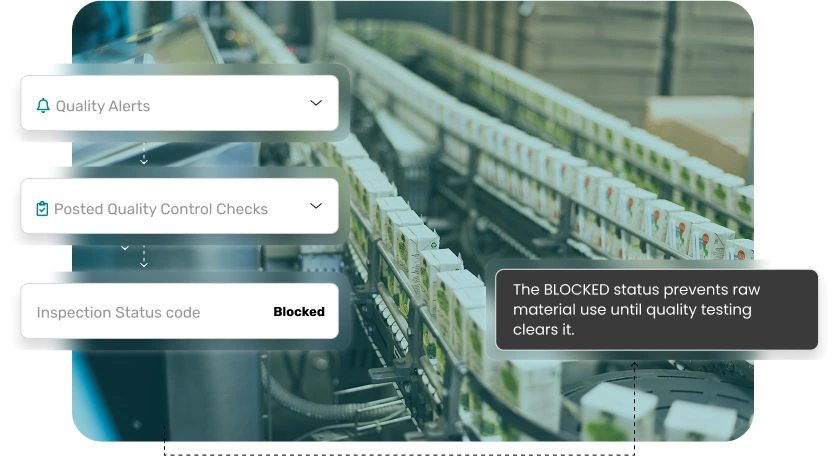
Food manufacturers must comply with numerous food safety regulations.
Compliance automation helps organisations:
- Maintain accurate digital records
- Monitor regulatory changes
- Automate documentation
- Generate audit reports
- Track supplier compliance
- Reduce human error
- Improve transparency
- Simplify inspections
Automation saves time while improving regulatory accuracy.
Challenges in Traditional Food Recall Management
Many organisations still depend on manual processes that create significant risks.
Common challenges include:
- Slow product traceability
- Delayed recall decisions
- Incomplete documentation
- Human data entry errors
- Poor communication between suppliers
- Limited supply chain visibility
- High compliance costs
- Complex international regulations
AI addresses these issues through continuous monitoring and intelligent automation.
How AI Improves Food Recall Management
Predictive Risk Detection
Machine learning models analyse historical food safety data to identify potential contamination risks before products reach consumers.
AI can detect:
- Equipment failures
- Temperature deviations
- Supply chain disruptions
- Ingredient contamination
- Production anomalies
Early detection reduces large-scale recalls.
Real-Time Supply Chain Monitoring
AI continuously tracks products throughout the supply chain.
Businesses gain visibility into:
- Product locations
- Storage conditions
- Transportation status
- Supplier performance
- Distribution networks
Real-time monitoring allows companies to isolate affected batches quickly.
Automated Product Traceability
Modern AI systems create complete digital records for every product.
This enables businesses to:
- Track ingredients
- Identify affected lots
- Locate distribution centres
- Notify retailers immediately
- Remove unsafe products faster
Improved traceability reduces recall costs.
Intelligent Regulatory Compliance
AI platforms automatically monitor changing food safety regulations.
Features include:
- Compliance alerts
- Documentation management
- Audit preparation
- Regulatory reporting
- Policy updates
- Inspection readiness
Businesses stay compliant without constant manual monitoring.
AI-Powered Document Automation
Food manufacturers manage thousands of compliance documents.
AI automates:
- Safety certificates
- Inspection reports
- Supplier documentation
- Quality assurance records
- Recall notices
- Internal compliance reports
Automation reduces paperwork significantly.
Computer Vision for Food Inspection
AI-powered cameras inspect food products during manufacturing.
Computer vision detects:
- Packaging defects
- Foreign materials
- Product contamination
- Incorrect labelling
- Damaged products
Inspection accuracy improves while reducing manual labour.
IoT Integration
Internet of Things (IoT) devices collect real-time environmental data.
AI analyses information from:
- Temperature sensors
- Humidity sensors
- Refrigeration systems
- Warehouse monitoring
- Transportation equipment
Instant alerts help prevent spoilage.
Supplier Risk Assessment
AI evaluates supplier performance using historical and real-time data.
It considers:
- Compliance history
- Delivery performance
- Quality issues
- Recall frequency
- Inspection results
Businesses can identify high-risk suppliers before problems occur.
Benefits of AI Compliance Automation
Organisations implementing AI solutions often experience:
- Faster recall response times
- Improved consumer safety
- Better regulatory compliance
- Lower operational costs
- Reduced legal risks
- Greater supply chain visibility
- Enhanced brand reputation
- Increased productivity
- More accurate reporting
- Better decision-making
Features of Modern AI Food Safety Startups
Leading startups commonly offer:
- AI-powered analytics
- Cloud-based compliance platforms
- Automated recall workflows
- Blockchain integration
- Real-time monitoring dashboards
- Predictive risk modelling
- Smart supplier management
- Document automation
- API integrations
- Mobile inspection tools
These capabilities help food businesses modernise safety and compliance operations.
Industries That Benefit
AI food recall management solutions support many sectors, including:
- Food manufacturing
- Beverage production
- Dairy processing
- Meat and poultry
- Seafood
- Fresh produce
- Frozen foods
- Restaurants
- Supermarkets
- Food distribution
- Logistics providers
- Pharmaceutical and nutraceutical manufacturers
What Investors Look for in AI Food Safety Startups
Investors evaluating AI food recall and compliance startups typically assess:
- Strong regulatory expertise
- Scalable software-as-a-service (SaaS) business model
- Proprietary AI technology
- Demonstrated customer traction
- Integration with existing enterprise systems
- Recurring revenue potential
- Experienced leadership team
- Large addressable market
- Cybersecurity and data governance
- Clear path to profitability
Startups that solve pressing compliance challenges with measurable return on investment are generally more attractive to investors.
Future Trends in 2026
The next generation of AI food safety technology is expected to include:
- Autonomous compliance monitoring
- Generative AI for regulatory documentation
- Digital twins for supply chain simulation
- Advanced predictive recall modelling
- Blockchain-backed product traceability
- Edge AI for on-site quality inspections
- AI-powered sustainability reporting
- Cross-border regulatory intelligence
- Enhanced consumer transparency through smart packaging
These innovations will help businesses respond more quickly to risks while improving operational efficiency.
Best Practices for Businesses
To maximise the value of AI food recall management solutions:
- Integrate AI with existing ERP and quality management systems.
- Maintain accurate, high-quality data for AI models.
- Train employees on AI-assisted workflows.
- Regularly review compliance processes.
- Conduct mock recall exercises.
- Monitor AI performance and update models as regulations and operations evolve.
- Balance automated decisions with expert human oversight.
Conclusion
AI food recall management and compliance automation are reshaping the future of food safety in 2026. By combining predictive analytics, real-time monitoring, intelligent traceability, and automated regulatory compliance, AI startups are helping food businesses reduce risks, improve operational efficiency, and respond to recalls with greater speed and accuracy. As regulations become more demanding and supply chains more interconnected, organisations that invest in AI-driven food safety solutions will be better positioned to protect consumers, maintain compliance, and build long-term trust.



Post Comment