AI in ERP and Warehouses: How Smart Technology Transforms Business Operations
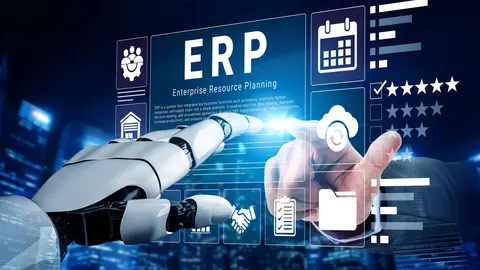
Artificial intelligence is changing the way businesses manage resources, inventory, orders, and daily operations. The combination of AI in ERP and warehouses enables companies to automate repetitive tasks, improve decision-making, reduce errors, and create more efficient supply chain processes.
What Is AI in ERP and Warehouses?
AI in ERP and warehouses refers to the use of artificial intelligence, machine learning, predictive analytics, computer vision, and automation within enterprise resource planning and warehouse management systems.
Traditional ERP systems mainly store and organize business data. AI-powered ERP systems can analyze that data, identify patterns, predict future demand, and provide intelligent recommendations. In warehouses, AI can help optimize inventory, improve order fulfillment, automate routine processes, and support more accurate stock management.
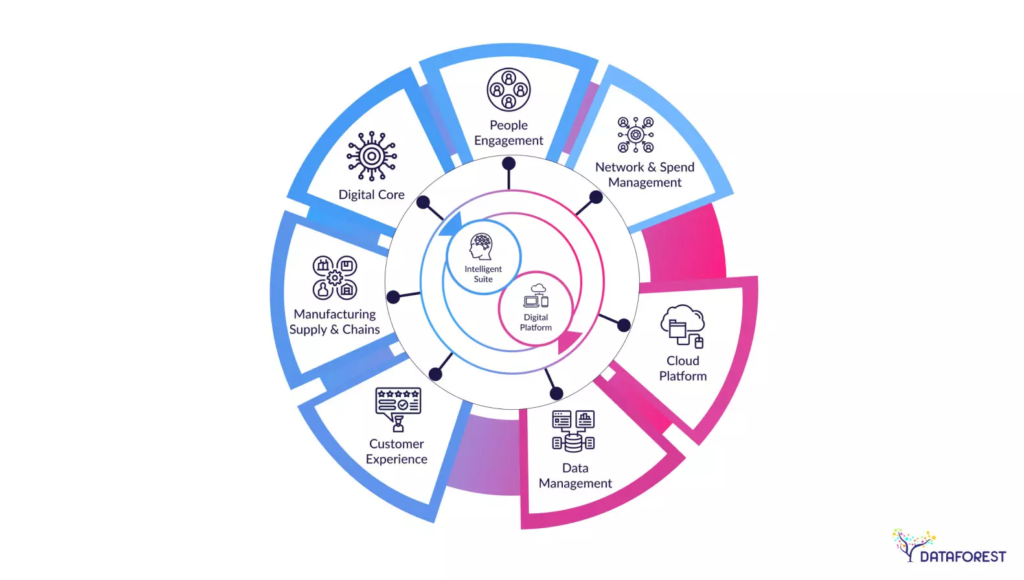
How AI Is Transforming ERP Systems
AI makes ERP platforms more intelligent by helping businesses turn large amounts of data into actionable insights.
1. Better Demand Forecasting
AI can analyze historical sales, seasonal trends, customer behavior, and market data to forecast future demand. More accurate forecasting helps businesses maintain appropriate inventory levels and avoid unnecessary overstocking or shortages.
2. Automated Data Processing
AI can automate repetitive ERP tasks such as data entry, invoice processing, purchase order management, and report generation. This reduces manual work and allows employees to focus on higher-value activities.
3. Smarter Business Decisions
AI-powered analytics can identify trends and unusual patterns in business data. Managers can use these insights to make faster and more informed decisions about purchasing, inventory, production, and sales.
4. Predictive Maintenance
AI can analyze equipment data to identify potential failures before they occur. Businesses can schedule maintenance proactively, helping reduce unexpected downtime and operational disruptions.
How AI Is Transforming Warehouses
Warehouses generate large amounts of operational data every day. AI can use this information to make warehouse activities faster and more accurate.
1. Intelligent Inventory Management
AI can monitor inventory levels and help determine when products should be reordered. This allows businesses to maintain stock availability while reducing excess inventory.
2. Optimized Warehouse Layouts
AI can analyze product movement and order patterns to recommend better product placement. Frequently ordered items can be positioned in locations that reduce travel time for warehouse workers.
3. Faster Order Fulfillment
AI can help determine efficient picking routes and prioritize warehouse activities. This can reduce processing time and improve order fulfillment performance.
4. Computer Vision
AI-powered computer vision can help identify products, scan items, verify packages, and detect potential errors. This technology can improve accuracy while reducing reliance on manual inspections.
5. Warehouse Automation
AI can work alongside robots, automated storage systems, and other warehouse technologies. These systems can support tasks such as picking, sorting, moving, and organizing goods.
Benefits of AI in ERP and Warehouses
Integrating AI across ERP and warehouse operations can provide several important benefits:
- Improved operational efficiency
- More accurate inventory forecasting
- Reduced manual data entry
- Faster order processing
- Better supply chain visibility
- Lower operational costs
- Improved decision-making
- Reduced inventory errors
- More responsive customer service
- Better resource utilization
AI and Real-Time Supply Chain Visibility
One of the biggest advantages of connecting AI with ERP and warehouse systems is improved visibility. Businesses can combine information from sales, inventory, purchasing, logistics, and warehouse operations to create a more complete view of their supply chain.
AI can analyze this information continuously and highlight potential problems. For example, if inventory is falling faster than expected, an AI system may identify the trend and recommend replenishment before the business experiences a stock shortage.
Challenges of Implementing AI
Despite its benefits, implementing AI in ERP and warehouse environments can present challenges. Businesses may need to invest in new technologies, employee training, system integration, and data management.
Data quality is especially important. AI systems depend on accurate and consistent information. Poor-quality data can lead to unreliable predictions and recommendations.
Businesses should therefore begin with clear objectives, reliable data, and well-defined processes before expanding AI across their operations.
The Future of AI in ERP and Warehouses
The future of ERP and warehouse management is expected to become increasingly intelligent and automated. AI agents, predictive analytics, robotics, computer vision, and real-time data processing can work together to create more responsive business environments.
As these technologies develop, businesses may be able to predict demand more accurately, automate more operational decisions, and respond quickly to changes in customer behavior and market conditions.
Conclusion
AI in ERP and warehouses is helping businesses move from traditional, reactive operations toward smarter and more automated processes. From demand forecasting and inventory management to warehouse automation and predictive analytics, AI can improve efficiency across multiple areas of the supply chain.
Businesses that combine AI with ERP and warehouse technologies can gain better visibility, make faster decisions, reduce operational inefficiencies, and build more adaptable business operations.



Post Comment