Meta AI Agent Data Leak: What You Need to Know
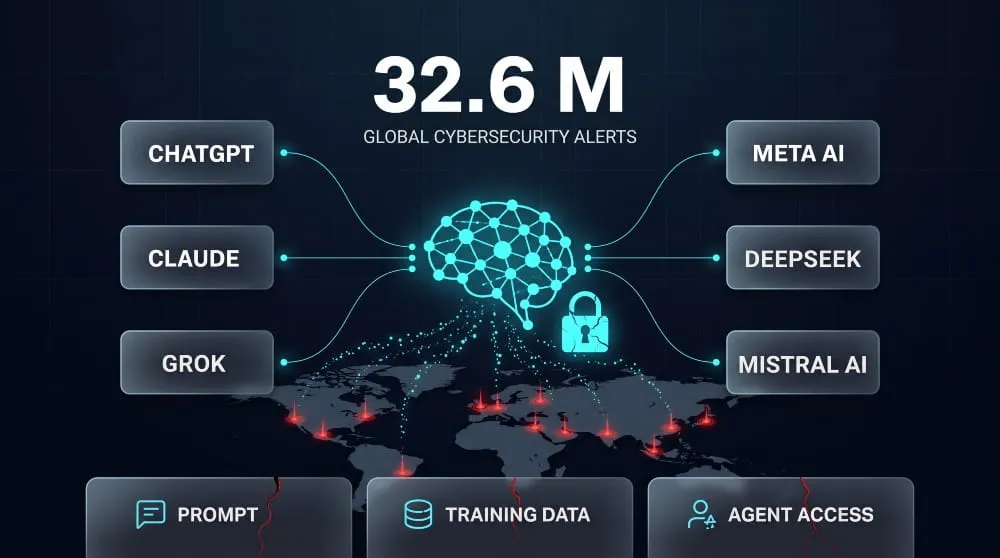
Meta AI Agent Data Leak are becoming more capable of performing tasks on behalf of users. Instead of simply answering questions, AI agents can potentially interact with websites, send messages, make bookings, compare products, and complete other digital tasks.
Meta’s growing focus on AI agents has also raised important questions about privacy and data security. The phrase “Meta AI Agent Data Leak” has attracted attention because AI agents can potentially handle sensitive information and interact with users’ digital accounts.
But what does a Meta AI agent data leak actually mean, and what should users know about the potential risks?
What Is a Meta AI Agent?
A Meta AI agent is an AI-powered system designed to go beyond generating text or answering questions. An agent can be designed to understand a user’s objective and take actions to accomplish it.
For example, an AI agent could potentially help a user:
- Send or organize emails
- Search for products
- Make travel arrangements
- Book tickets
- Complete online shopping tasks
- Gather information from different websites
- Carry out other actions after receiving user authorization
This additional functionality makes AI agents powerful, but it also creates new privacy and security considerations.

What Does a Meta AI Agent Data Leak Mean?
A Meta AI Agent Data Leak would generally refer to the unauthorized exposure or disclosure of information handled by an AI agent or its supporting systems.
That information could potentially include personal details, conversations, preferences, account information, or information obtained while an agent is performing an authorized task.
However, it is important to make a distinction between a confirmed data breach and concerns about possible privacy vulnerabilities. Reports about an alleged leak should be verified through reliable sources before being treated as evidence of an actual security incident.
Why Are AI Agents Creating Privacy Concerns?
Traditional chatbots primarily provide information in response to prompts. AI agents can potentially have much broader access because they are designed to perform actions.
That means an agent may interact with information such as:
- Email and communication data
- Contact information
- Shopping history and preferences
- Travel and booking information
- Account information
- Search and browsing activity
- Other data required to complete a requested task
The more permissions an AI agent receives, the greater the importance of strong security controls.
Could an AI Agent Accidentally Expose Data?
Potentially, yes. AI systems can face security challenges that are different from traditional applications.
One example is prompt injection, where malicious instructions embedded in a webpage, document, email, or other content attempt to influence an AI agent into performing an unintended action.
Other potential risks include excessive permissions, compromised third-party websites, insecure integrations, accidental disclosure of information, and unauthorized actions.
These risks do not necessarily mean that a specific Meta AI agent has leaked user data. Instead, they demonstrate why security becomes particularly important when AI systems are given the ability to act on a user’s behalf.
User Approval Does Not Eliminate Every Risk
One important feature of agent-based systems is user approval. Requiring a person to authorize an action can provide an additional layer of protection.
However, users may still need to understand exactly what they are approving.
For example, an agent could be authorized to purchase an item, access information, or interact with an external service. If the agent misunderstands instructions or encounters malicious content, the user could potentially approve an action without fully understanding the underlying risk.
Clear permissions, transparent explanations, confirmation steps, and strong security controls are therefore essential.
What Information Could Be at Risk?
The potential impact of a data exposure depends on what information an AI agent can access.
Depending on the service and permissions involved, sensitive information could include personal identifiers, communications, shopping activity, travel plans, or other private information.
The actual information at risk in any particular incident would depend on the systems involved and the nature of the alleged breach.
How Can Users Protect Their Data?
Users can take several practical steps when using AI-powered agents.
1. Review Permissions
Before connecting an AI agent to an account, check what information and functions it can access.
Only grant permissions that are necessary for the task.
2. Avoid Sharing Highly Sensitive Information
Users should think carefully before providing passwords, financial information, confidential documents, or other highly sensitive data to an AI system.
3. Use Multi-Factor Authentication
Multi-factor authentication can provide an additional layer of protection if an account password is compromised.
4. Check Actions Before Approval
When an AI agent asks for permission to send a message, make a purchase, make a booking, or perform another important action, review the details carefully before approving it.
5. Monitor Connected Accounts
Regularly review account activity and connected applications. Remove access that is no longer required.
6. Be Careful With Suspicious Content
AI agents can encounter information from websites, emails, and other sources. Users should remain cautious about unexpected instructions, links, and requests for sensitive information.
Is There a Confirmed Meta AI Agent Data Leak?
The term “Meta AI Agent Data Leak” should not automatically be interpreted as confirmation of a security breach.
An actual data leak requires credible evidence, such as an official disclosure, security investigation, regulatory filing, or reporting from reputable cybersecurity or technology organizations.
Privacy concerns surrounding AI agents are legitimate even when there is no confirmed breach. The ability of an agent to access information and perform actions creates security considerations that users and technology companies need to address.
The Future of AI Agent Security
As AI agents become more capable, security will become an increasingly important part of their development.
Companies will need to balance convenience with safeguards such as limited permissions, secure authentication, action confirmation, monitoring, privacy controls, and protection against malicious instructions.
For users, the key principle is simple: the more control an AI agent has over your digital life, the more carefully its permissions and actions should be managed.
Final Thoughts
The rise of AI agents represents a major shift from AI systems that simply answer questions to systems capable of taking actions.
That shift creates significant opportunities, but it also introduces new privacy and security challenges. Concerns surrounding a Meta AI Agent Data Leak highlight the importance of understanding what information AI agents can access, what actions they can perform, and how user approval works.
Until a specific data-leak claim is independently confirmed, users should distinguish between potential security risks and verified incidents. At the same time, practicing good account security, limiting permissions, and carefully reviewing AI-generated actions can help reduce potential risks.
As AI agents become more integrated into everyday digital services, transparency, privacy, and security will be just as important as the technology’s convenience.



Post Comment