AI Business Analytics: Smarter Decisions, Better Results
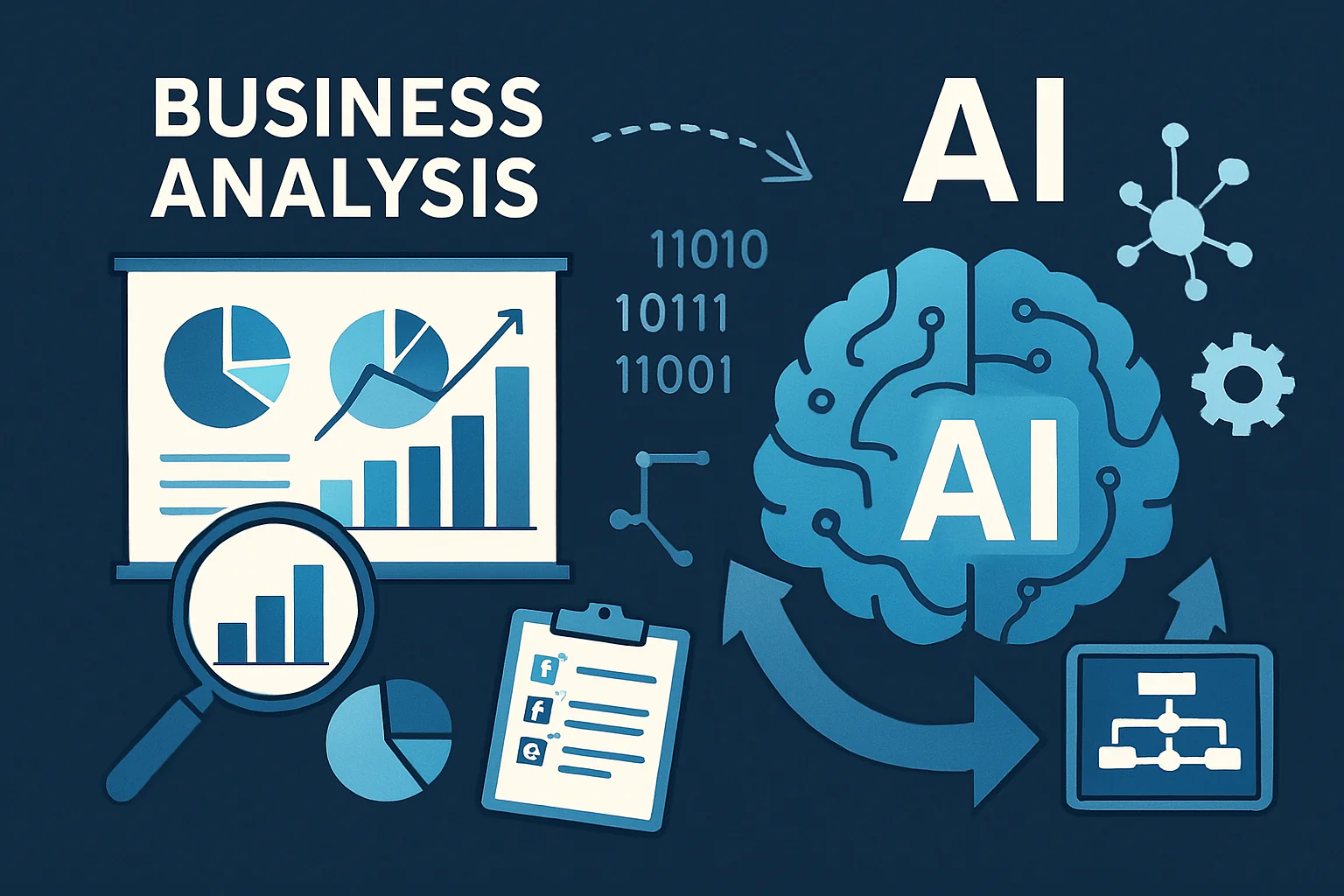
AI Business Analytics is the use of artificial intelligence (AI) to analyze business data, identify patterns, predict future outcomes, and support better decision-making. Instead of relying only on historical reports, AI helps businesses gain real-time insights and automate complex analysis. The use of artificial intelligence to analyze AI Business Analytics data, uncover insights, predict trends, and support smarter, data-driven decision-making.
What is AI Business Analytics?
AI Business Analytics combines:
- Artificial Intelligence (AI)
- Machine Learning (ML)
- Data Analytics
- Predictive Analytics
- Business Intelligence (BI)
Together, these technologies help organizations make faster, more accurate, and data-driven decisions.

Why AI Business Analytics Matters
Businesses generate large amounts of data every day from customers, sales, marketing, finance, and operations AI processes this data far more quickly than conventional techniques, enabling businesses to:
- Improve decision-making
- Reduce operational costs
- Increase efficiency
- Forecast demand more accurately
- Enhance customer experiences
- Detect fraud and security risks
- Identify new business opportunities
Key Features
- Predictive Analytics: Forecasts future trends using historical data.
- Real-Time Insights: Monitors business performance continuously.
- Automation: Reduces manual reporting and repetitive tasks.
- Customer Analytics: Understands customer behavior and preferences.
- Data Visualization: Presents insights through dashboards and charts.
- Risk Detection: Identifies unusual activities and potential risks.
Applications Across Industries
Retail
- Demand forecasting
- Inventory optimization
- Personalized product recommendations
- Customer segmentation
Healthcare
- Patient outcome prediction
- Hospital resource planning
- Medical data analysis
Finance
- Fraud detection
- Credit risk assessment
- Investment analysis
- Financial forecasting
Marketing
- Customer targeting
- Campaign optimization
- Marketing ROI analysis
- Lead scoring
Manufacturing
- Predictive maintenance
- Quality control
- Supply chain optimization
- Production planning
Benefits
- Faster business decisions
- Improved accuracy
- Better customer satisfaction
- Lower operational costs
- Higher productivity
- Increased revenue opportunities
- Competitive advantage
Challenges
- Data privacy and security
- High implementation costs
- Need for quality data
- Integration with existing systems
- Shortage of AI-skilled professionals
- Ethical considerations and bias in AI models
Popular AI Business Analytics Tools
- Microsoft Power BI (with AI features)
- Tableau
- Google Looker
- IBM Watson Analytics
- SAP Analytics Cloud
- SAS Viya
- Qlik Sense
Future Trends
The future of AI Business Analytics includes:
- Generative AI for business reporting
- Automated decision support
- Real-time predictive analytics
- AI-powered business assistants
- Explainable AI (XAI)
- Hyperautomation
- Greater integration with cloud platforms
Conclusion
AI Business Analytics is transforming how organizations use data. By combining artificial intelligence with analytics, businesses can make smarter decisions, improve efficiency, reduce costs, and stay competitive in a rapidly changing market. Companies that invest in AI-driven analytics are better positioned to respond to customer needs, adapt to market changes, and achieve sustainable growth.



Post Comment