AI-Native Life Sciences in 2026: Benefits, Challenges, and Emerging Opportunities
Introduction
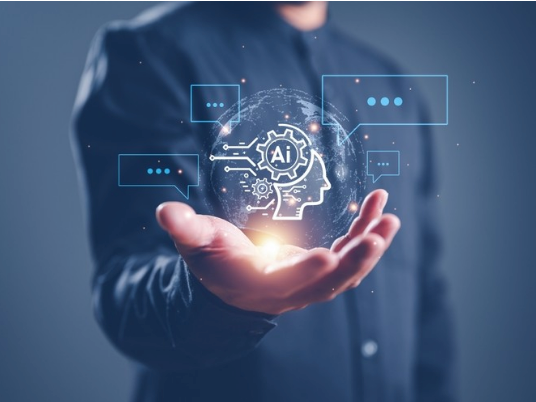
The life sciences industry is entering a new era powered by AI-native technologies. Unlike traditional approaches where artificial intelligence is added as a supporting tool, AI-native life sciences integrates AI into the core of scientific research, healthcare innovation, biotechnology, and pharmaceutical development.
In 2026, AI is helping scientists analyze complex biological data, accelerate drug discovery, improve diagnostics, and develop personalized treatments. However, the biggest advantage of AI in life sciences is not replacing researchers, doctors, or scientists—it is enhancing human expertise by helping professionals make faster, more informed decisions.
AI-native systems combine human creativity with machine intelligence, enabling breakthroughs that were previously difficult or impossible to achieve.
What Are AI-Native Life Sciences?
AI-native life sciences refers to life science organizations, platforms, and research systems designed around artificial intelligence from the beginning.
These systems use AI as a central capability for:
- Scientific discovery
- Biomedical research
- Drug development
- Clinical decision support
- Healthcare optimization
- Biological data analysis
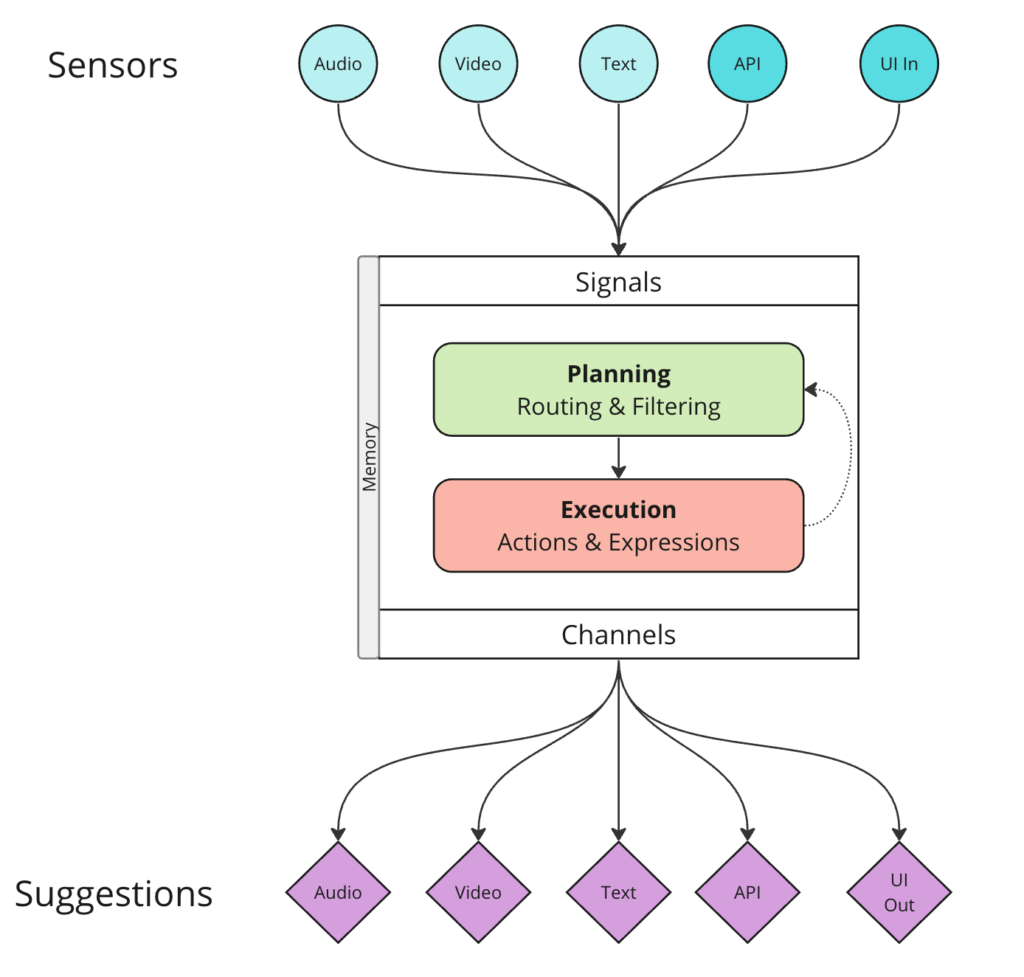
Instead of using AI only for automation, AI-native life sciences organizations build entire workflows around intelligent systems that can analyze, predict, and generate new insights.
Why AI-Native Life Sciences Matter in 2026
The life sciences sector produces enormous amounts of complex data, including:
- Genomic information
- Medical imaging
- Clinical trial data
- Molecular structures
- Patient health records
Traditional methods often struggle to process this information efficiently.
AI helps organizations:
- Discover patterns faster
- Reduce research timelines
- Improve accuracy
- Develop personalized healthcare solutions
- Support scientific decision-making
How AI Is Transforming Life Sciences
1. Accelerating Drug Discovery
Drug discovery traditionally requires years of research and significant financial investment. AI is changing this process by helping researchers:
- Identify promising drug candidates
- Predict molecular behavior
- Analyze biological interactions
- Optimize clinical research
AI models can evaluate thousands of possibilities faster than traditional methods.
2. Advancing Personalized Medicine
AI-native life sciences enable treatments designed around individual patient characteristics.
AI analyzes:
- Genetic information
- Medical history
- Lifestyle factors
- Treatment responses
This helps healthcare providers create more personalized approaches.
3. Improving Medical Research
Researchers use AI to analyze complex scientific information and discover new relationships between:
- Genes
- Diseases
- Treatments
- Biological systems
AI supports scientists by reducing manual analysis and generating new research possibilities.
4. Enhancing Clinical Trials
AI improves clinical trials through:
- Patient recruitment
- Data analysis
- Trial design optimization
- Safety monitoring
This helps pharmaceutical companies conduct studies more efficiently.
5. Supporting Healthcare Professionals
AI-native healthcare tools assist doctors and medical professionals with:
- Diagnostic support
- Medical image analysis
- Treatment recommendations
- Patient monitoring
AI provides insights while human professionals remain responsible for final decisions.
Benefits of AI-Native Life Sciences
1. Faster Scientific Discovery
AI can process large datasets quickly, helping researchers identify opportunities faster.
2. Improved Accuracy
AI systems can detect patterns that may be difficult for humans to identify manually.
3. Reduced Research Costs
AI can lower costs by improving efficiency in:
- Drug development
- Laboratory processes
- Clinical research
4. Better Patient Outcomes
AI supports more accurate diagnosis and personalized treatment strategies.
5. Greater Innovation
AI allows scientists to explore new approaches in:
- Biotechnology
- Medicine
- Genetics
- Pharmaceutical development
Challenges of AI-Native Life Sciences
1. Data Privacy and Security
Life sciences organizations handle sensitive information, including:
- Patient records
- Genetic data
- Medical information
Strong privacy and security systems are essential.
2. AI Accuracy and Reliability
AI systems must be carefully tested to ensure:
- Accurate predictions
- Reliable results
- Safe recommendations
Human oversight remains necessary.
3. Regulatory Challenges
Healthcare and biotechnology industries require strict regulations.
Organizations must ensure AI systems meet standards for:
- Safety
- Transparency
- Compliance
- Ethical use
4. Integration With Existing Systems
Many organizations face challenges connecting AI technologies with:
- Existing healthcare platforms
- Research databases
- Laboratory systems
5. Skills and Talent Gaps
AI-native life sciences require professionals with knowledge of:
- Biology
- Medicine
- Data science
- Artificial intelligence
Building interdisciplinary teams is becoming increasingly important.
AI-Native Life Sciences Applications
Pharmaceutical Research
AI helps pharmaceutical companies:
- Discover new medicines
- Predict drug effectiveness
- Improve development processes
Biotechnology
Biotech companies use AI for:
- Genetic engineering
- Protein analysis
- Biological modeling
Healthcare Systems
AI supports:
- Patient diagnosis
- Hospital operations
- Clinical decision-making
Medical Imaging
AI improves analysis of:
- X-rays
- MRI scans
- CT scans
- Other medical images
Genomics
AI helps researchers understand:
- DNA sequences
- Genetic variations
- Disease risks
AI-Native Life Sciences vs Traditional Life Sciences
| Feature | AI-Native Life Sciences | Traditional Life Sciences |
| Research Approach | AI-driven from the beginning | AI added later |
| Data Analysis | Automated and predictive | Mostly manual |
| Discovery Speed | Faster | Slower |
| Personalization | Highly customized | Limited |
| Decision Support | AI-assisted insights | Human-only analysis |
| Innovation | Continuous AI improvement | Traditional workflows |
Why AI Is Not Replacing Humans in Life Sciences
The biggest value of AI-native life sciences comes from human-AI collaboration.
AI provides:
- Data processing
- Pattern recognition
- Predictions
- Automation
Humans provide:
- Scientific creativity
- Ethical judgment
- Clinical experience
- Strategic thinking
Scientists and healthcare professionals remain essential because AI systems need human expertise to interpret results and make responsible decisions.
Emerging Opportunities in AI-Native Life Sciences
Autonomous Research Systems
Future AI systems may assist scientists by:
- Designing experiments
- Analyzing results
- Suggesting research directions
AI-Driven Drug Development
AI will continue improving:
- Drug discovery speed
- Molecular design
- Treatment optimization
Digital Health Innovation
AI-powered healthcare solutions will expand through:
- Virtual health assistants
- Predictive healthcare platforms
- Remote patient monitoring
Synthetic Biology Advancement
AI may accelerate innovation in:
- Genetic engineering
- Biological design
- New medical therapies
Future of AI-Native Life Sciences
The future of life sciences will be built around intelligent systems that enhance human capabilities. AI will become a powerful research partner, helping scientists solve complex biological problems, discover new treatments, and improve healthcare outcomes.
Organizations that successfully combine AI technology with human expertise will gain a competitive advantage in medical research and biotechnology.
Conclusion
AI-Native Life Sciences in 2026 represents a major shift in how scientific research, healthcare, and biotechnology operate. AI is creating new opportunities by improving discovery, accelerating innovation, and enabling personalized solutions.
The true advantage of AI-native life sciences is not replacing humans but empowering them. By combining artificial intelligence with human knowledge, creativity, and ethical judgment, the life sciences industry can achieve faster breakthroughs and deliver better outcomes for society.


Post Comment