AI in B2B Sales Data Analysis: The Complete Guide to Smarter Selling
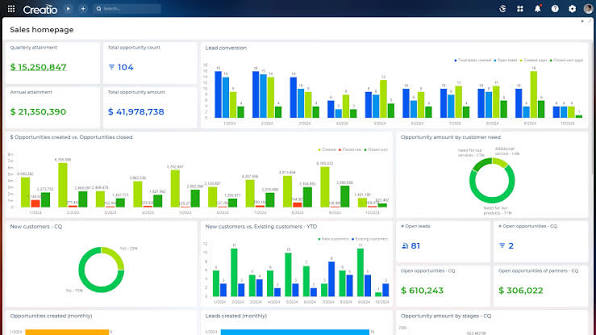
B2B sales teams handle enormous amounts of information, including customer records, purchase histories, website activity, sales interactions, lead data, and market trends. AI in B2B Sales Data Analysis all this information manually can be time-consuming and may make it difficult for sales professionals to identify the most valuable opportunities.
AI in B2B Sales Data Analysis is changing this process by helping businesses examine large datasets, identify patterns, predict customer behavior, and generate actionable insights. By combining artificial intelligence with sales analytics, organizations can make faster and more informed decisions while creating more effective sales strategies.
What Is AI in B2B Sales Data Analysis?
AI in B2B sales data analysis refers to using artificial intelligence technologies to collect, process, analyze, and interpret business-to-business sales information. AI systems can examine structured and unstructured data to identify trends that may be difficult to recognize through traditional analysis.
For example, AI can analyze customer interactions, previous purchases, lead activity, and engagement patterns to help sales teams understand which prospects are more likely to become customers.
Why B2B Sales Teams Need AI Data Analysis
Traditional sales analysis often depends on spreadsheets, reports, and manually prepared dashboards. While these methods can still be useful, they may not provide insights quickly enough when businesses are dealing with constantly changing customer data.
AI can process large volumes of information much faster and help sales teams focus on the insights that matter most. Instead of spending hours reviewing records, sales professionals can use AI-generated insights to identify potential opportunities and make strategic decisions.
Key Benefits of AI in B2B Sales Data Analysis
1. Better Lead Prioritization
Not every lead has the same potential value. AI can analyze factors such as engagement, company characteristics, previous interactions, and buying signals to help sales teams prioritize promising prospects.
This allows sales representatives to spend more time on leads that are more likely to progress through the sales funnel.
2. More Accurate Sales Forecasting
Sales forecasting is essential for planning revenue, staffing, budgets, and business growth. AI can analyze historical sales data, current opportunities, customer behavior, and market patterns to support more informed forecasts.
Although AI predictions should not replace human judgment, they can provide sales managers with additional information for making decisions.
3. Identifying Customer Buying Patterns
AI can identify patterns across customer interactions and transactions. For example, it may reveal which products are frequently purchased together, when customers typically make purchases, or which types of prospects respond best to specific sales approaches.
These insights can help businesses create more targeted sales strategies.
4. Personalized Customer Engagement
B2B customers increasingly expect relevant communication. AI can help sales teams understand individual accounts and personalize messages based on customer interests, previous interactions, industry, and purchasing behavior.
Personalization can make sales communication more relevant and reduce generic outreach.
5. Improved Sales Productivity
Sales representatives often spend significant time searching for information, updating records, and preparing reports. AI-powered tools can automate some analytical tasks and summarize important information.
This gives sales teams more time to focus on relationship building, conversations, negotiations, and closing opportunities.
How AI Analyzes B2B Sales Data
AI-powered sales analysis typically involves several stages.
Data Collection
The system gathers information from sources such as CRM platforms, sales records, customer interactions, websites, email engagement, and other business systems.
Data Processing
Raw information is cleaned and organized so that AI models can identify meaningful relationships and patterns.
Pattern Recognition
Machine learning algorithms analyze historical and current data to identify trends, correlations, and potential buying signals.
Prediction and Recommendations
AI can use these patterns to generate predictions, such as which leads may be more valuable or which accounts could have a higher likelihood of purchasing.
Actionable Insights
The final stage turns analytical results into useful information for sales representatives and managers. These insights can support lead prioritization, account planning, forecasting, and customer engagement.
AI and Predictive Sales Analytics
Predictive analytics is one of the most valuable applications of AI in B2B sales. Instead of simply showing what happened in the past, predictive models can estimate what may happen next.
For example, an AI system might analyze historical customer behavior and identify accounts showing characteristics similar to customers who previously made purchases.
This can help sales teams concentrate their efforts on opportunities with stronger potential.
AI-Powered Customer Segmentation
Customer segmentation allows businesses to divide prospects and customers into meaningful groups. AI can analyze multiple variables simultaneously to identify segments based on industry, company size, behavior, engagement, purchasing history, and other factors.
Sales teams can then develop different strategies for different customer groups rather than using one approach for everyone.
Challenges of Using AI for B2B Sales Analysis
Despite its advantages, AI implementation comes with challenges.
Data quality is one of the biggest concerns. Inaccurate, incomplete, duplicated, or outdated data can reduce the quality of AI-generated insights.
Data privacy and security are also important. Businesses must ensure that customer and company information is handled responsibly and according to applicable requirements.
Another challenge is human oversight. AI can identify patterns and make predictions, but sales professionals should review important recommendations and consider business context before making final decisions.
Best Practices for Using AI in B2B Sales
Businesses can get better results from AI by following a structured approach:
- Start with clean and reliable sales data.
- Define clear business and sales objectives.
- Integrate AI with existing sales and CRM workflows.
- Train sales teams to understand AI-generated insights.
- Monitor model performance regularly.
- Maintain appropriate data security practices.
- Combine AI recommendations with human expertise.
- Measure results using meaningful sales metrics.
The Future of AI in B2B Sales Data Analysis
AI is expected to become increasingly integrated into B2B sales operations. Future systems may provide more advanced customer insights, real-time recommendations, automated forecasting, intelligent account research, and increasingly personalized sales experiences.
As AI technology develops, businesses that combine high-quality data with effective human decision-making may gain a stronger advantage in competitive B2B markets.
Conclusion
AI in B2B Sales Data Analysis: The Complete Guide to Smarter Selling demonstrates how artificial intelligence can transform the way businesses understand sales information. From lead prioritization and predictive forecasting to customer segmentation and personalized engagement, AI can help sales teams turn complex data into actionable insights.
However, successful implementation depends on more than adopting an AI tool. Businesses need reliable data, clear objectives, responsible data practices, and human oversight. When these elements work together, AI can become a powerful part of a modern B2B sales strategy and help organizations make smarter, faster, and more informed decisions.




Post Comment