Data Center Decommissioning: Complete Guide to Safe & Secure Facility Removal
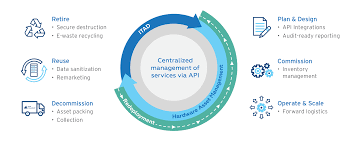
Data centers play a critical role in modern businesses by supporting servers, networking equipment, storage systems, and essential digital operations. However, when a facility becomes outdated, inefficient, or no longer needed, data center decommissioning provides a structured way to safely retire equipment and prepare the site for its next purpose.
What Is Data Center Decommissioning?
Data center decommissioning is the process of safely shutting down, dismantling, removing, and disposing of data center infrastructure. It can involve servers, storage devices, network equipment, racks, power systems, cooling equipment, cabling, and other hardware.
A professional decommissioning process focuses on more than simply removing old equipment. It also considers data security, asset recovery, environmental responsibilities, documentation, and the safe preparation of the facility.
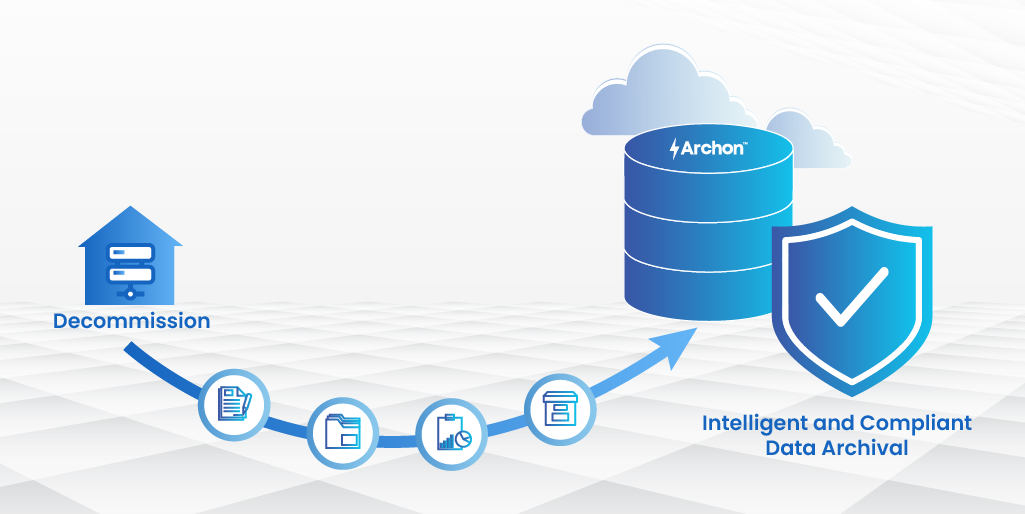
Why Is Data Center Decommissioning Important?
Older data center infrastructure can consume valuable space, energy, and maintenance resources. Leaving unused equipment in place can also create security, operational, and environmental concerns.
A structured decommissioning project can help organizations:
- Remove obsolete infrastructure safely
- Protect sensitive business information
- Recover value from usable equipment
- Reduce unnecessary maintenance and operating costs
- Improve facility organization
- Support responsible electronic recycling
- Prepare the site for relocation, renovation, or closure
Key Steps in the Decommissioning Process
1. Planning and Site Assessment
The first stage involves assessing the facility and identifying the equipment that needs to be removed. A detailed inventory can include servers, storage devices, networking hardware, racks, power distribution units, batteries, cooling systems, and cabling.
Planning also helps establish timelines, responsibilities, safety procedures, and equipment-handling requirements.
2. Equipment Inventory and Documentation
Accurate documentation is essential during decommissioning. Each asset can be recorded according to its type, serial number, location, condition, and intended disposition.
A detailed inventory helps organizations track equipment throughout the removal process and maintain better control over valuable assets.
3. Data Security and Destruction
Data security should be a major priority when retiring storage devices. Hard drives, SSDs, and other media may contain confidential business or customer information.
Depending on organizational requirements, retired storage devices may need secure data wiping, physical destruction, or another approved data sanitization process. Proper documentation can also provide evidence that data-bearing equipment was handled according to the required security procedures.
4. Safe Equipment Removal
After equipment has been identified and secured, technicians can begin dismantling and removing the infrastructure. This may involve disconnecting power, removing network connections, dismantling server racks, and carefully transporting heavy equipment.
Professional handling helps reduce the risk of equipment damage, workplace injuries, and disruption to surrounding systems.
5. Asset Recovery and Resale
Not every piece of retired equipment needs to be discarded. Functional servers, networking hardware, storage systems, and other components may retain resale or reuse value.
An effective data center decommissioning program can identify reusable assets and route them toward resale, refurbishment, redeployment, or recycling. This can help organizations recover part of their original investment while reducing unnecessary electronic waste.
6. Recycling and Responsible Disposal
Equipment that cannot be reused or resold should be processed through appropriate recycling and disposal channels. Responsible recycling helps recover valuable materials and reduces the amount of electronic waste sent to landfills.
Organizations should work with qualified recycling providers and maintain appropriate records for equipment that is permanently retired.
7. Site Cleanup and Preparation
Once the equipment has been removed, the facility may require additional cleanup and preparation. This can include removing unused cabling, dismantling infrastructure, clearing racks, and preparing power or cooling systems for the next stage of the facility’s use.
Benefits of Professional Data Center Decommissioning
Working with an experienced decommissioning provider can make the process more organized and manageable. Professionals can coordinate equipment removal, data security, asset recovery, recycling, transportation, and documentation as part of a structured project.
This approach can help businesses reduce risks while maximizing the value of retired infrastructure.
Choosing the Right Decommissioning Provider
Before selecting a service provider, businesses should consider experience, security procedures, equipment-handling capabilities, recycling practices, documentation, and asset recovery options.
A reliable provider should be able to explain how it will protect sensitive data, manage equipment, document assets, and handle reusable or obsolete technology.
Final Thoughts
Data Center Decommissioning: Complete Guide to Safe & Secure Facility Removal highlights why retiring a data center requires careful planning rather than simple equipment removal. From asset inventory and secure data destruction to equipment recovery, recycling, and site preparation, every stage should be managed systematically.
With the right strategy and professional support, organizations can safely retire outdated infrastructure, protect sensitive information, recover value from eligible assets, and prepare their facilities for future use.




Post Comment