The Flavor Algorithm: Smarter Taste, Better Recipes, and AI Innovation
Introduction
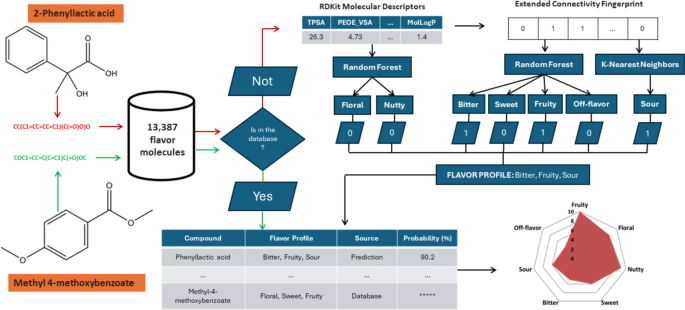
Artificial intelligence (AI) is transforming the food industry by helping chefs, food scientists, and manufacturers create better recipes, discover unique flavor combinations, and personalize dining experiences. The Flavor Algorithm by analyzing vast amounts of culinary data, ingredient interactions, and consumer preferences, AI can identify patterns that would be difficult for humans to detect. In 2026, AI-enhanced tasting is driving innovation across restaurants, food production, product development, and personalized nutrition.
What Is the Flavor Algorithm?
The Flavor Algorithm refers to AI-powered systems that analyse ingredients, flavour compounds, cooking methods, and customer preferences to predict how foods will taste together. Using machine learning, data analytics, and food science, these systems help create recipes, improve food quality, and recommend flavour combinations based on scientific insights rather than trial and error alone.
Rather than replacing chefs, AI acts as a creative assistant that supports culinary innovation and informed decision-making.
Benefits of AI-Enhanced Tasting
AI-powered flavour technology offers several advantages:
- Discover new flavour combinations
- Develop recipes faster
- Improve product consistency
- Personalise meals based on individual preferences
- Reduce food waste through smarter ingredient use
- Speed up food research and development
- Analyse customer taste trends
- Support healthier recipe creation
- Improve quality control
- Increase innovation in food production
How AI Is Used in Food Innovation
Recipe Development
AI analyses thousands of recipes, ingredients, and cooking techniques to suggest new dishes, ingredient substitutions, and flavour pairings that inspire culinary creativity.
Product Development
Food manufacturers use AI to design new snacks, beverages, sauces, and packaged foods by predicting consumer preferences and optimising flavour profiles before products reach the market.
Personalised Nutrition
AI recommends meals based on dietary goals, allergies, cultural preferences, and nutritional requirements, helping consumers enjoy healthier and more customised eating experiences.
Quality Control
AI monitors production processes, ingredient consistency, and product quality to help maintain high food standards and reduce manufacturing errors.
Consumer Insights
By analysing customer reviews, purchasing behaviour, and market trends, AI helps businesses understand changing taste preferences and identify opportunities for new products.
Key Technologies Behind AI-Enhanced Tasting
Modern flavour innovation relies on technologies such as:
- Machine learning
- Predictive analytics
- Natural language processing (NLP)
- Computer vision for food analysis
- Food chemistry databases
- Sensor technology
- Data analytics
- Recommendation algorithms
Together, these technologies provide valuable insights that support food innovation and product development.
Best Practices
To use AI effectively in food development:
- Combine AI recommendations with culinary expertise.
- Validate new recipes through real-world taste testing.
- Use high-quality ingredient and consumer data.
- Consider cultural and regional food preferences.
- Maintain transparency about AI-assisted development.
- Continuously refine recipes based on customer feedback.
Challenges
Despite its advantages, AI-enhanced tasting also presents challenges:
- Taste remains partly subjective and influenced by personal preferences.
- AI predictions depend on the quality of available data.
- Cultural and regional differences may affect flavour acceptance.
- Human creativity is still essential for exceptional culinary experiences.
- Ethical use of consumer data and privacy should be carefully managed.
The best results come from combining AI insights with the knowledge and experience of chefs, food scientists, and nutrition experts.
Future Trends
AI is expected to play an even greater role in food innovation through:
- Hyper-personalised meal recommendations
- AI-designed recipes for specific health goals
- Sustainable ingredient discovery
- Precision food manufacturing
- Smart kitchen assistants
- AI-powered restaurant menu optimisation
- Faster product innovation cycles
- Improved food sustainability and waste reduction
These developments will help businesses create more innovative products while offering consumers healthier, tastier, and more personalised dining experiences.
Conclusion
The Flavor Algorithm represents the exciting intersection of artificial intelligence, food science, and culinary creativity. By analyzing flavor data, predicting ingredient compatibility, and supporting recipe development, AI is helping businesses and chefs create smarter, more innovative food experiences. While human expertise remains essential, AI serves as a powerful tool for accelerating innovation, improving consistency, and meeting evolving consumer preferences. As AI technology continues to advance, it will play an increasingly important role in shaping the future of food, flavor, and dining.


Post Comment