Technology Infrastructure: The Hidden Layer Behind Modern Life
Introduction
Technology infrastructure is the underlying system that keeps modern digital life running. From cloud platforms and data centers to networks, servers, cybersecurity systems, and software, these components work together largely out of sight. This Technology Infrastructure is necessary for all online searches, digital payments, video calls, and streaming movies.
1. What Is Technology Infrastructure?
Technology infrastructure refers to the hardware, software, networks, facilities, and services required to operate digital systems. It includes:
- Servers and data centers
- Internet and telecommunications networks
- Cloud computing platforms
- Databases and storage systems
- Cybersecurity tools
- Operating systems and enterprise software

2. The Role of Data Centers
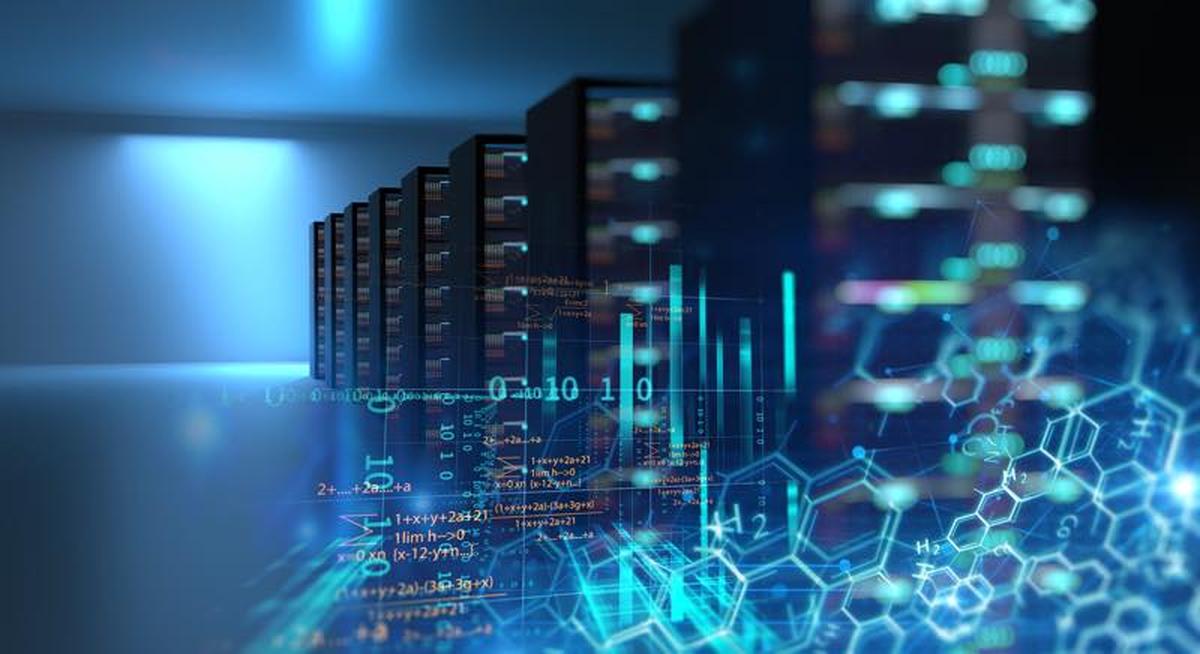
Data centers are an essential part of modern technology infrastructure. They house servers and networking equipment that process, store, and deliver enormous amounts of information.
When you send a message, access a website, or use an online service, data centers may process your request within seconds.
3. Cloud Computing
Cloud computing has transformed how businesses and individuals use technology. Instead of relying entirely on local computers and physical servers, organizations can access computing power, storage, and software through the internet.
Cloud infrastructure supports:
- Online applications
- Remote work
- Data backup
- Artificial intelligence
- Streaming services
- E-commerce platforms
4. Networks: Connecting the Digital World
Networks provide the connections that allow devices and systems to communicate. Fiber-optic cables, mobile networks, Wi-Fi, satellites, routers, and internet exchange points all contribute to global connectivity.
Even the most sophisticated gear and software would be useless without dependable networks.
5. Cybersecurity Infrastructure
As digital dependence grows, protecting technology infrastructure becomes increasingly important. Firewalls, encryption, identity management, monitoring systems, and security operations help protect information and services from unauthorized access and cyber threats.
6. Technology Infrastructure in Everyday Life
People interact with technology infrastructure constantly, often without realizing it. Examples include:
- Paying with a smartphone
- Ordering products online
- Using GPS navigation
- Watching streaming content
- Working through cloud applications
- Using smart-home devices
- Accessing online banking
7. Why Reliable Infrastructure Matters
A failure in technology infrastructure can affect millions of users. Internet outages, server failures, power disruptions, or cybersecurity incidents can interrupt essential services.
Reliable infrastructure therefore requires redundancy, monitoring, maintenance, security, and disaster recovery.
8. The Future of Technology Infrastructure
Emerging technologies are changing infrastructure requirements. Artificial intelligence, edge computing, 5G and future mobile networks, Internet of Things (IoT) devices, and increasingly automated data centers are creating demand for faster, more flexible, and energy-efficient systems.
Conclusion
The unseen cornerstone of today’s digital civilization is technology infrastructure.Although users rarely see the servers, cables, networks, and security systems behind their devices, these components make everyday digital experiences possible. As technology becomes more deeply integrated into work and daily life, strong and resilient infrastructure will become even more important.



Post Comment