Smart Metering Solutions for Better Energy Control
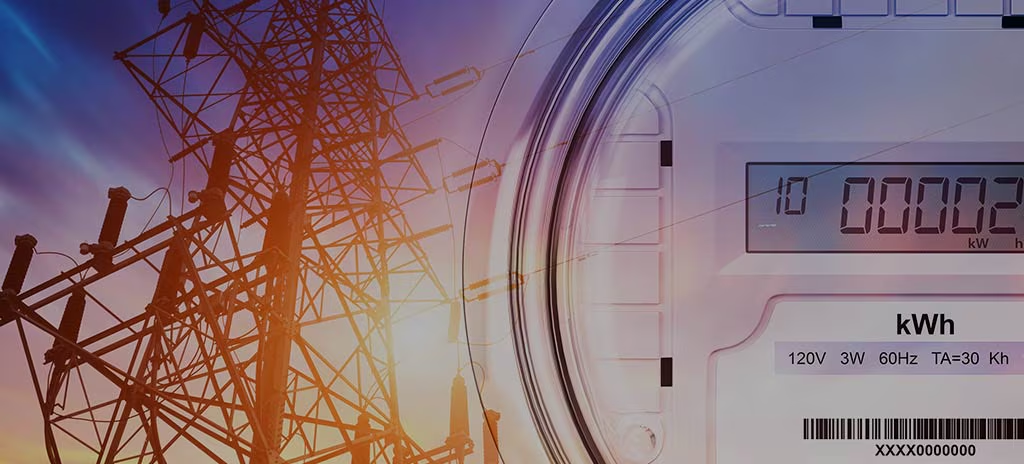
Energy consumption is becoming increasingly important for businesses, commercial buildings, industrial facilities, and utility providers. Smart Metering Solutions rising energy costs, sustainability goals, and the need for accurate consumption data have encouraged organizations to adopt smarter ways of monitoring and managing electricity and other utilities.
Professional Smart Metering Solutions provide businesses with accurate, connected, and actionable energy data. Instead of relying only on traditional meter readings, smart metering technology can provide more detailed information about consumption patterns, helping organizations make better decisions and improve energy control.
What Is Smart Metering?
Smart metering uses digitally enabled meters to measure and communicate energy consumption information. Depending on the application, smart meters can monitor electricity, gas, water, or other utilities.
Unlike traditional meters that may require manual readings, smart metering systems can automatically collect and transmit data to a centralized platform.
This can provide information such as:
- Energy consumption
- Usage patterns
- Peak demand
- Meter readings
- Voltage and other electrical parameters
- Historical consumption
- Real-time or near-real-time data, depending on the system

Why Smart Metering Matters
Traditional energy management can make it difficult to understand exactly when and where energy is being consumed. A monthly or periodic meter reading provides limited information about changes throughout the day.
Smart meters provide more detailed data, allowing organizations to identify consumption patterns and investigate unusual changes.
For example, a business may discover that significant energy is being consumed outside normal operating hours. This information can help managers investigate equipment schedules, lighting, HVAC systems, or other potential sources of unnecessary consumption.
Benefits of Professional Smart Metering Solutions
1. Accurate Energy Monitoring
Smart meters can provide automated consumption measurements, reducing dependence on manual meter readings.
More frequent data can give businesses a clearer picture of energy use and help improve reporting accuracy.
2. Better Energy Control
When organizations understand where energy is being consumed, they can make more informed decisions about how resources are used.
Energy data can help managers identify inefficient equipment, unnecessary consumption, and opportunities for optimization.
3. Reduced Energy Waste
Smart metering can help identify unusual consumption patterns. Businesses can then investigate potential sources of waste and take corrective action.
4. Improved Cost Management
Detailed consumption information can help organizations understand their energy expenses and evaluate the impact of efficiency measures.
Depending on the utility tariff, monitoring peak demand can also help businesses manage periods when electricity costs may be higher.
5. Remote Monitoring
Connected meters can allow authorized users to access energy information remotely through suitable software platforms.
This can be particularly useful for businesses managing multiple buildings or locations.
How Smart Metering Technology Works
A professional smart metering system generally involves several connected components:
Smart Meter → Communication Network → Data Platform → Analytics → Management Action
The smart meter collects consumption information. Communication technology then transfers the data to a central platform, where it can be stored, analyzed, and displayed.
Users can access dashboards or reports to understand consumption trends and identify areas requiring attention.
Smart Metering for Commercial Buildings
Commercial properties can benefit from detailed energy monitoring because electricity consumption may come from multiple systems and departments.
Smart meters can help monitor areas such as:
- HVAC systems
- Lighting
- Office equipment
- Elevators
- Server rooms
- Retail spaces
- Common areas
Sub-metering can also provide more detailed information about individual floors, departments, tenants, or equipment where appropriate.
Smart Metering for Industrial Facilities
Industrial facilities often have complex energy requirements. Manufacturing machinery, motors, compressors, heating systems, cooling equipment, and production lines can consume significant amounts of energy.
Smart metering can help facility managers understand consumption across different operations.
This data can support energy-efficiency programs and help identify unusual changes that may require further investigation.
Real-Time Energy Insights
One of the key advantages of connected metering is the ability to access more frequent energy information.
Depending on the technology, users may be able to monitor:
- Current consumption
- Historical trends
- Peak usage
- Daily consumption
- Monthly consumption
- Equipment-level usage
- Abnormal consumption patterns
Visual dashboards can make large amounts of energy data easier to understand.
Smart Metering and Energy Efficiency
Smart metering itself does not automatically reduce energy consumption. Its primary role is to provide better information.
The real efficiency improvements come when organizations use that information to change operations.
For example:
Monitor → Identify Waste → Take Action → Measure Results
A company could monitor energy consumption, identify excessive nighttime usage, adjust equipment schedules, and then compare energy data before and after the change.
This creates a measurable approach to energy management.
Smart Metering and Sustainability
Organizations increasingly have environmental targets alongside financial objectives.
Detailed energy data can support sustainability programs by helping businesses understand their consumption and measure the results of efficiency initiatives.
Smart metering can complement strategies such as:
- Renewable energy adoption
- Energy-efficient lighting
- HVAC optimization
- Equipment upgrades
- Demand management
- Building automation
- Energy conservation programs
Data Analytics and Smart Meters
Collecting energy data is only the first step. Analytics can turn that information into useful insights.
A professional energy management platform may help users compare:
- Current vs. historical consumption
- Different buildings
- Different departments
- Peak vs. off-peak usage
- Equipment performance
- Energy consumption against targets
These comparisons can make it easier to identify trends and prioritize improvements.
Smart Metering for Multiple Locations
Organizations with several buildings may benefit significantly from centralized monitoring.
Instead of checking each location individually, authorized managers can view information through a central platform.
This can help organizations compare locations and identify facilities with unusually high consumption.
Important Features to Consider
When selecting a professional smart metering solution, businesses should consider several factors.
Measurement Accuracy
Meters should provide appropriate accuracy for the intended application.
Communication Technology
The system should use a communication method suitable for the building, infrastructure, and operating environment.
Data Security
Because smart meters generate operational data, appropriate cybersecurity and access controls should be considered.
Scalability
The system should be capable of supporting additional meters or locations as the organization grows.
Integration
Integration with building management systems, energy platforms, or other business software can make the collected data more useful.
Reporting
Clear dashboards and reports can help users understand consumption without requiring extensive technical knowledge.
Implementing a Smart Metering System
A successful implementation usually begins with understanding the organization’s current energy infrastructure.
Step 1: Identify Energy Goals
Determine whether the main objective is monitoring, cost management, efficiency improvement, sustainability reporting, or a combination of these goals.
Step 2: Assess Existing Infrastructure
Review existing meters, electrical systems, communication networks, and building-management technologies.
Step 3: Select Appropriate Meters
Choose meters based on the required measurement capabilities, installation environment, accuracy, and communication requirements.
Step 4: Install and Configure
Professional installation ensures meters are correctly connected and configured.
Step 5: Connect the Data Platform
Meter information can be transferred to a centralized monitoring or analytics platform.
Step 6: Analyze Consumption
Review energy patterns and identify unusual or inefficient consumption.
Step 7: Take Action and Measure Results
Implement efficiency measures and use subsequent meter data to evaluate their effectiveness.
Common Challenges
Smart metering projects can also involve challenges.
Initial investment: Hardware, installation, communications, and software can require upfront spending.
Integration: Older infrastructure may require additional work to connect with modern monitoring systems.
Data management: Large volumes of information need to be organized and presented clearly.
Cybersecurity: Connected devices should be protected through appropriate security practices.
User adoption: Staff need to understand how to interpret and act on energy information.
Final Thoughts
Smart Metering Solutions for Better Energy Control can give organizations greater visibility into how energy is consumed across buildings, equipment, departments, and locations. By replacing limited manual readings with connected and detailed consumption data, businesses can identify patterns, investigate waste, monitor performance, and make more informed energy decisions.
However, smart metering is most effective when it forms part of a broader energy-management strategy. Combining accurate meters with analytics, professional monitoring, efficiency initiatives, and ongoing performance reviews can help organizations move toward better energy control, improved operational efficiency, and more informed resource management.



Post Comment