Fleet Management Technology: The Future of Smarter Fleet Operations

Fleet Management Technology has become more complex as businesses manage larger vehicle fleets, rising fuel costs, driver safety concerns, maintenance requirements, and increasing customer expectations. Traditional methods of tracking vehicles and managing fleet operations are no longer enough for many modern businesses.
Fleet Management Technology is changing the way companies monitor vehicles, manage drivers, control costs, and improve operational efficiency. From GPS tracking and telematics to artificial intelligence (AI), predictive maintenance, and automated reporting, modern technology gives fleet managers better visibility and more control.
What Is Fleet Management Technology?
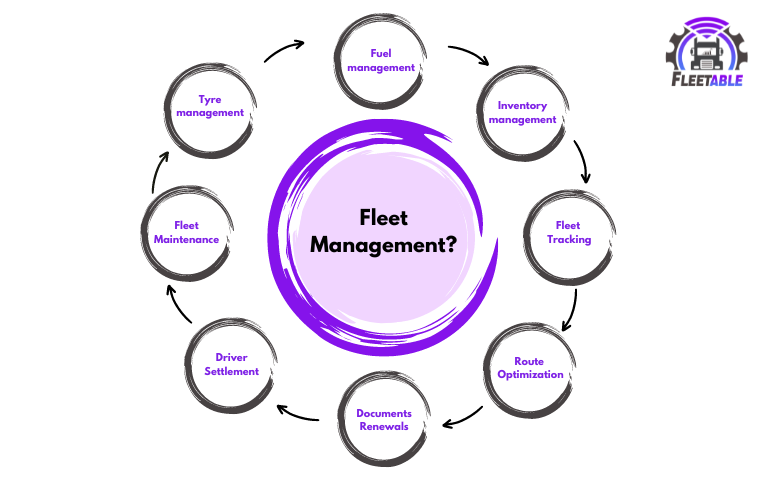
Fleet Management Technology refers to the digital tools and systems businesses use to monitor, manage, and optimize their vehicle fleets. These technologies can collect and analyze information about vehicles, drivers, fuel consumption, routes, maintenance, and overall fleet performance.
Modern fleet management platforms can bring multiple functions into one system. Instead of relying on spreadsheets, paper records, or separate tracking tools, fleet managers can access important information through a centralized dashboard.
Common technologies include:
- GPS vehicle tracking
- Fleet telematics
- Driver monitoring systems
- Fuel management software
- Electronic logging systems
- Vehicle maintenance platforms
- Route optimization tools
- Automated reporting
- AI-powered analytics
- Predictive maintenance solutions
Together, these technologies help businesses make faster and more informed decisions.
Why Fleet Management Technology Matters
Managing a fleet involves more than simply knowing where vehicles are located. Businesses also need to control operating costs, reduce vehicle downtime, maintain compliance, and keep drivers and vehicles safe.
Fleet Management Technology provides real-time data that can help companies identify inefficiencies before they become expensive problems.
For example, a fleet manager may discover that certain vehicles consume significantly more fuel than others. By analyzing vehicle data, the company can investigate driving behavior, maintenance issues, route selection, or vehicle performance.
This data-driven approach can help businesses move from reactive fleet management to proactive decision-making.
How GPS Tracking Improves Fleet Visibility
GPS tracking is one of the most widely used technologies in modern fleet management. It allows companies to monitor vehicle locations and movement in real time.
Fleet managers can use GPS data to:
- Monitor vehicle locations
- Track routes
- Estimate arrival times
- Identify unauthorized vehicle use
- Improve dispatching
- Respond to delays
- Analyze driving patterns
Better visibility can also improve customer service. When businesses know where their vehicles are, they can provide more accurate delivery or arrival estimates.
The Role of AI in Fleet Management
Artificial intelligence is adding another layer of intelligence to fleet operations. Instead of simply collecting information, AI-powered systems can analyze large volumes of fleet data and identify patterns.
For example, AI can help identify unusual fuel consumption, risky driving behavior, recurring vehicle problems, or inefficient routes.
Machine learning models can also improve their predictions as more fleet data becomes available. This can help businesses make better decisions without requiring fleet managers to manually analyze every data point.
AI can support areas such as:
- Predictive maintenance
- Route optimization
- Driver behavior analysis
- Fuel efficiency analysis
- Vehicle utilization
- Demand forecasting
- Risk identification
The goal is not necessarily to replace fleet managers. Instead, AI can provide them with better information so they can make decisions more efficiently.
Predictive Maintenance Reduces Vehicle Downtime
Vehicle maintenance is a major concern for fleet operators. Unexpected breakdowns can lead to repair expenses, missed deliveries, delayed services, and dissatisfied customers.
Predictive maintenance uses vehicle data to identify potential problems before they result in serious failures.
Sensors and telematics systems can monitor factors such as engine performance, mileage, battery condition, and diagnostic information. Software can then analyze these signals and alert fleet managers when maintenance may be required.
This approach can help businesses schedule maintenance at more convenient times rather than waiting for a vehicle to break down.
Smarter Fuel Management
For many fleets, fuel is one of the biggest operating costs. For dozens or hundreds of vehicles, even modest increases in fuel efficiency can result in significant savings.
Fleet management systems can monitor fuel consumption and identify factors that contribute to unnecessary fuel use.
These may include:
- Excessive idling
- Aggressive acceleration
- Harsh braking
- Inefficient routes
- Unauthorized fuel usage
- Poor vehicle maintenance
With this information, fleet managers can introduce driver training programs, optimize routes, and identify vehicles that require additional attention.
Improving Driver Safety
Technology can also play an important role in improving fleet safety.
Telematics systems can detect behaviors such as speeding, harsh braking, rapid acceleration, and excessive idling. Fleet managers can use this information to identify drivers who may benefit from additional training.
Some modern systems can also work with cameras and advanced driver-assistance technologies to detect potentially dangerous situations.
A data-driven safety program can help organizations establish measurable safety standards while encouraging drivers to develop safer habits.
Route Optimization and Better Productivity
Efficient routing can save time, fuel, and vehicle mileage. Modern fleet management platforms can analyze traffic conditions, vehicle locations, delivery requirements, and other factors to recommend more efficient routes.
For delivery businesses, this can mean completing more stops during the same working day.
For service companies, optimized routing can help technicians spend less time traveling and more time serving customers.
As transportation networks become more complicated, automated route planning can become an important part of efficient fleet operations.
Fleet Management and Real-Time Data
One of the biggest advantages of modern fleet technology is access to real-time information.
Instead of waiting until the end of the day for reports, fleet managers can monitor important information as events happen.
A centralized dashboard may show:
- Current vehicle locations
- Vehicle status
- Driver activity
- Fuel consumption
- Maintenance alerts
- Route progress
- Safety events
- Vehicle utilization
Real-time visibility allows managers to respond quickly when unexpected situations occur.
The Benefits of Cloud-Based Fleet Management
Cloud-based fleet management software allows businesses to access fleet information from connected devices without relying on locally stored systems.
This can make it easier for managers to monitor fleets across different locations.
Cloud platforms can also support centralized reporting, automatic software updates, data integration, and collaboration between different departments.
For growing businesses, cloud-based systems can provide flexibility as the fleet expands.
Challenges of Adopting Fleet Management Technology
Although technology can provide significant benefits, implementing a new fleet management system also presents challenges.
Initial Costs
Hardware, software subscriptions, sensors, cameras, and installation can create upfront expenses. Businesses should evaluate the expected return on investment before selecting a system.
Employee Training
Drivers and fleet staff need to understand how new technology works. Proper training can improve adoption and reduce resistance.
Data Management
Fleet systems generate large amounts of information. Businesses need processes for organizing, protecting, and using this data effectively.
Integration
A fleet management platform may need to connect with accounting software, fuel systems, maintenance platforms, dispatch tools, or other business applications.
Choosing technology with strong integration capabilities can make implementation easier.
What Is the Future of Fleet Management Technology?
The future of fleet management is likely to become increasingly connected, automated, and data-driven.
AI and machine learning will continue to improve how businesses analyze fleet information. Connected vehicles will provide more detailed performance data, while predictive systems will help companies identify potential problems earlier.
Automation may also reduce the amount of manual work involved in scheduling, reporting, maintenance planning, and route optimization.
Electric vehicles are another important part of the future. As more businesses introduce electric fleets, fleet management platforms will need to monitor battery health, charging schedules, energy consumption, and vehicle range.
These developments will create new opportunities for businesses to improve efficiency while reducing unnecessary operating costs.
How Businesses Can Prepare
Companies considering Fleet Management Technology should begin by identifying their most important operational problems.
For example, a business struggling with fuel expenses may prioritize fuel monitoring and driver behavior analytics. A company experiencing frequent breakdowns may benefit more from predictive maintenance.
Before selecting a solution, businesses should consider:
- Fleet size and vehicle types
- Required tracking capabilities
- Maintenance requirements
- Fuel management needs
- Driver safety goals
- Integration requirements
- Data security
- Scalability
- Reporting features
- Total cost of ownership
Selecting technology based on actual business requirements can help organizations avoid unnecessary features and expenses.
Conclusion
Fleet Management Technology is becoming an essential part of modern transportation and business operations. GPS tracking, telematics, AI, predictive maintenance, fuel analytics, and route optimization can give fleet managers greater visibility and control.
The future will likely bring even more automation and intelligent decision-making. Businesses that adopt the right technologies can improve fleet efficiency, reduce downtime, support driver safety, and make better use of their resources.
Rather than treating fleet technology as simply a vehicle tracking tool, businesses can use it as a strategic platform for building smarter and more efficient fleet operations.



Post Comment