How to Use AI for E-commerce Sales Insights: A Complete Guide for 2026
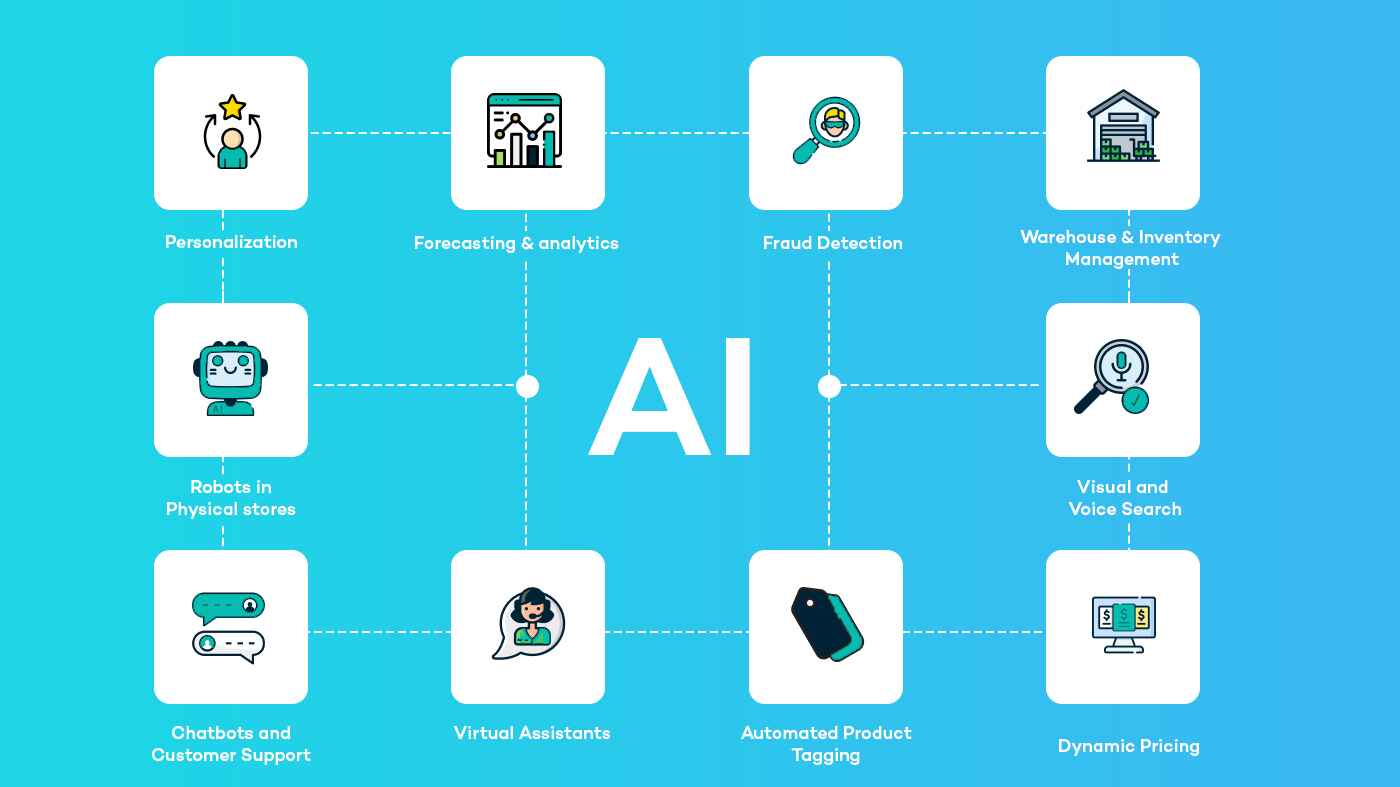
Artificial intelligence (AI) is transforming e-commerce by helping businesses analyze sales data, understand customer behavior, and make smarter decisions. Rather than relying on manual reporting, AI-powered tools can process vast amounts of information in real time, uncover hidden patterns, and provide actionable insights that improve sales performance. AI for E-commerce In 2026, businesses of all sizes are using AI to optimize pricing, personalize customer experiences, forecast demand, and increase profitability.
What Are AI-Powered Sales Insights?
AI-powered sales insights are data-driven recommendations generated through machine learning, predictive analytics, and artificial intelligence. These insights help e-commerce businesses understand customer preferences, buying trends, product performance, and revenue opportunities.
Instead of simply displaying historical sales reports, AI predicts future outcomes and recommends actions that can improve business performance.

Benefits of Using AI for E-commerce Sales
Implementing AI offers numerous advantages, including:
- Better understanding of customer behavior
- More accurate sales forecasting
- Improved inventory management
- Personalized product recommendations
- Higher conversion rates
- Increased customer retention
- Automated reporting and analytics
- Smarter pricing strategies
- Reduced operational costs
- Faster business decision-making
Key Applications of AI in E-commerce
Customer Behavior Analysis
AI analyzes browsing history, purchasing habits, search behavior, and customer interactions to identify buying patterns and preferences.
Sales Forecasting
Machine learning models predict future sales based on historical performance, seasonal trends, promotions, and market demand, helping businesses plan inventory and marketing campaigns more effectively.
Personalized Product Recommendations
AI recommends products based on customer interests and previous purchases, encouraging cross-selling and upselling while improving the shopping experience.
Dynamic Pricing
AI monitors market conditions, competitor pricing, and customer demand to recommend optimal prices that maximize revenue while remaining competitive.
Inventory Optimization
AI predicts demand for individual products, helping businesses reduce stock shortages, minimize excess inventory, and improve warehouse efficiency.
Marketing Optimization
AI evaluates campaign performance, customer segments, and conversion data to improve email marketing, paid advertising, and social media strategies.
Essential AI Tools and Technologies
Businesses commonly use AI for:
- Predictive analytics
- Customer segmentation
- Recommendation engines
- Marketing automation
- Sales dashboards
- Inventory forecasting
- Chatbots and virtual assistants
- Customer sentiment analysis
- Fraud detection
- Business intelligence reporting
Best Practices
To maximize the benefits of AI sales insights:
- Collect accurate and high-quality customer data.
- Regularly review AI-generated recommendations.
- Combine AI analysis with human business expertise.
- Protect customer privacy and sensitive information.
- Continuously monitor key performance indicators (KPIs).
- Test AI-driven strategies before implementing them at scale.
Challenges
While AI provides powerful capabilities, businesses should consider several challenges:
- Data quality directly affects AI accuracy.
- Initial implementation may require time and investment.
- Customer privacy regulations must be respected.
- AI models require continuous monitoring and updates.
- Human oversight remains essential for strategic decision-making.
Future Trends in 2026
AI-powered e-commerce is expected to evolve through:
- Hyper-personalized shopping experiences
- Real-time predictive analytics
- AI-powered demand forecasting
- Smarter conversational shopping assistants
- Automated pricing optimization
- Voice and visual commerce integration
- Advanced customer lifetime value prediction
- Greater integration between AI, CRM, and marketing platforms
These innovations will help businesses create more efficient operations and deliver highly personalized shopping experiences.
Conclusion
AI is becoming an essential tool for e-commerce businesses seeking to gain deeper sales insights and improve overall performance. By analyzing customer behavior, forecasting demand, optimizing pricing, and automating decision-making, AI enables businesses to increase sales, enhance customer satisfaction, and operate more efficiently. Companies that combine AI-powered insights with high-quality data and thoughtful business strategies will be well positioned to compete and grow in the evolving digital marketplace throughout 2026 and beyond.



Post Comment