Hi3D V3.0: Transforming Creative Ideas into Stunning 3D Models with AI
Introduction
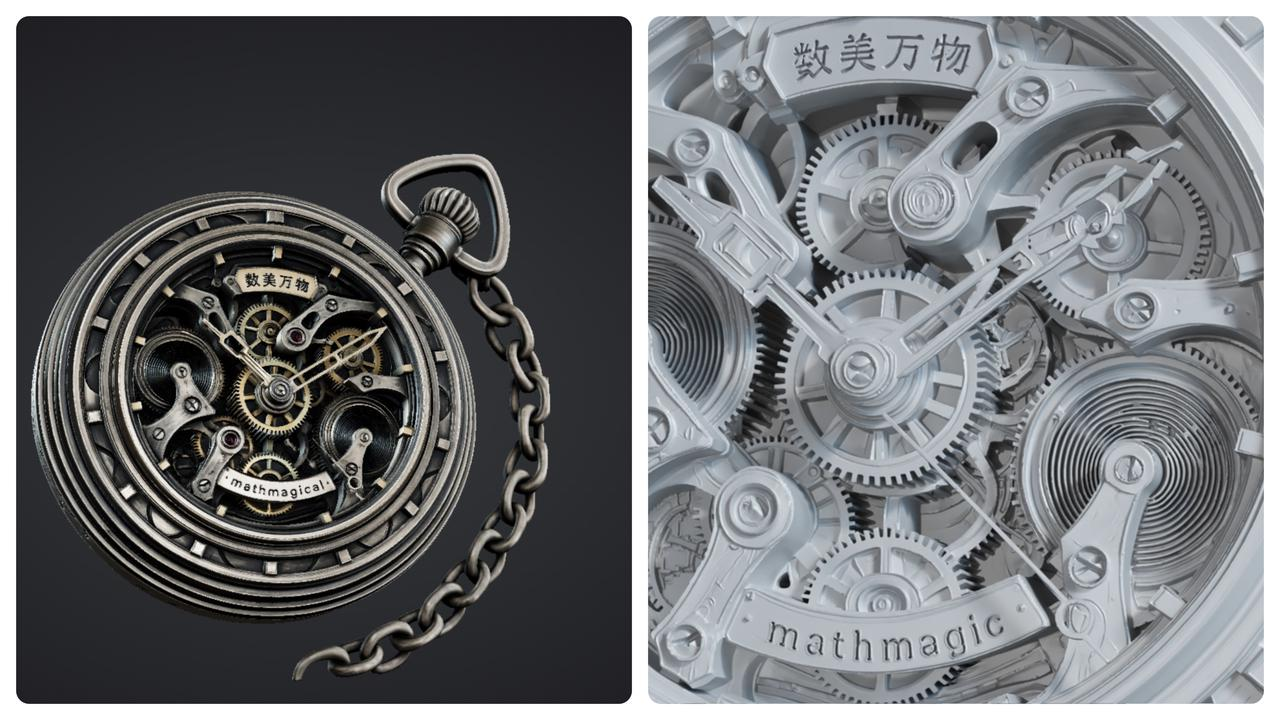
Artificial intelligence is changing the way people create digital content. One exciting development is AI-powered 3D modeling, which allows users to turn their ideas into realistic three-dimensional models more easily than ever before. Hi3D V3.0 represents this growing trend by helping creators explore new possibilities in digital design, modeling, and visualization.
What Is Hi3D V3.0?
Hi3D V3.0 is associated with AI-powered 3D creation, a technology that aims to make three-dimensional modeling more accessible. Instead of relying entirely on traditional modeling techniques, users can explore AI-assisted workflows to transform concepts and visual references into 3D assets.
These tools can be useful for beginners, designers, digital artists, and developers who want to experiment with three-dimensional content without mastering every aspect of complex modeling software.

Key Features of AI-Powered 3D Creation
1. Turning Ideas into 3D Models
AI-assisted creation can help users transform text descriptions, images, or creative concepts into three-dimensional objects. This can make it easier to experiment with product designs, characters, decorative objects, and virtual environments.
2. Making 3D Design More Accessible
Traditional 3D modeling often requires technical knowledge and considerable practice. AI-powered tools can simplify parts of the process, allowing beginners to explore digital creation while experienced designers use them to accelerate early design stages.
3. Supporting Creative Workflows
AI-generated models can provide starting points for further editing, texturing, refinement, and animation. Designers can use these initial results to test different concepts before investing time in detailed production.
4. Saving Time During Prototyping
Rapid model generation can help creators visualize ideas earlier. This is particularly valuable when comparing multiple product concepts, developing game assets, or preparing visual demonstrations.
Who Can Benefit from Hi3D V3.0?
AI-powered 3D creation can benefit a wide range of users:
- Digital artists: Explore new shapes, styles, and creative concepts.
- Product designers: Visualize ideas before developing physical prototypes.
- Game developers: Experiment with objects and environmental assets.
- Students and beginners: Learn about 3D design through AI-assisted workflows.
- Content creators: Produce visual assets for websites, presentations, and digital projects.
- Businesses: Develop early product concepts and visual demonstrations.
The exact capabilities available in Hi3D V3.0 depend on the platform’s current features and supported input formats.
AI 3D Modeling vs. Traditional 3D Modeling
Traditional 3D modeling gives artists detailed control over geometry, topology, materials, and other technical elements. AI-assisted modeling can help speed up the initial creation process, especially when starting with a description or image.
However, AI-generated results may still require manual adjustments. Complex models intended for manufacturing, animation, or professional production often need careful review and optimization.
Rather than replacing every traditional technique, AI can complement existing creative tools and help users move from an idea to an editable starting point more quickly.
Practical Applications
Hi3D V3.0 and similar AI-driven 3D creation tools may support several practical workflows:
- Concept development: Turn an early idea into a visual reference.
- Product visualization: Explore the appearance of a proposed product.
- Digital art: Create starting assets for creative projects.
- Education: Demonstrate how objects can be represented in three dimensions.
- Game and virtual content: Experiment with assets for digital environments.
Before using generated models in commercial projects, users should check export options, licensing terms, quality requirements, and compatibility with their preferred software.
Benefits and Limitations
The main benefits of AI-assisted 3D creation include faster experimentation, a lower learning barrier, and more opportunities to explore creative concepts. These advantages can make 3D design approachable for people who do not have extensive modeling experience.
Nevertheless, AI tools can produce inaccurate geometry, inconsistent details, or models that require additional work. Results also vary depending on the input, the complexity of the subject, and the capabilities of the particular platform.
Users should therefore treat AI-generated models as creative resources that may need inspection and refinement rather than assuming every result is production-ready.
The Future of AI 3D Creation
As AI technology advances, 3D creation tools are likely to become increasingly integrated into design, gaming, architecture, education, and digital content production. Improvements in model quality, editing controls, and compatibility could make it easier to move from an initial concept to a usable digital asset.
Tools such as Hi3D V3.0 reflect the broader movement toward making sophisticated creative technology available to more people.
Conclusion
Hi3D V3.0: Transforming Creative Ideas into Stunning 3D Models with AI highlights the growing potential of artificial intelligence in digital design. By helping users explore AI-assisted 3D workflows, this type of technology can make creative experimentation faster and more accessible.
Whether you are a beginner exploring 3D modeling or an experienced creator looking for new ways to develop concepts, AI-powered creation tools offer exciting opportunities. The best results come from combining AI assistance with human creativity, careful review, and thoughtful refinement.


Post Comment