Best AI Tools for Teachers: Smart Technology for Better Teaching in 2026

Introduction
Artificial intelligence (AI) is transforming education by helping teachers create engaging lessons, automate administrative tasks, personalize learning, and improve student outcomes. AI Tools for Teachers in 2026, AI-powered educational tools are becoming an essential part of modern classrooms, enabling educators to save time while delivering more effective and interactive learning experiences.
From lesson planning and content creation to grading, classroom management, and student assessment, AI tools are helping teachers focus more on teaching and less on repetitive administrative work. Whether you’re teaching in primary school, secondary school, higher education, or online, AI can enhance both productivity and learning quality.
What Are AI Tools for Teachers?
AI tools for teachers are software applications that use artificial intelligence, machine learning, and natural language processing to support various teaching and administrative tasks.
These tools can help educators:
- Create lesson plans
- Generate quizzes and assignments
- Grade assessments
- Personalise student learning
- Produce teaching materials
- Manage classrooms
- Analyse student performance
- Improve communication with students and parents
AI acts as a teaching assistant, allowing educators to spend more time supporting students.
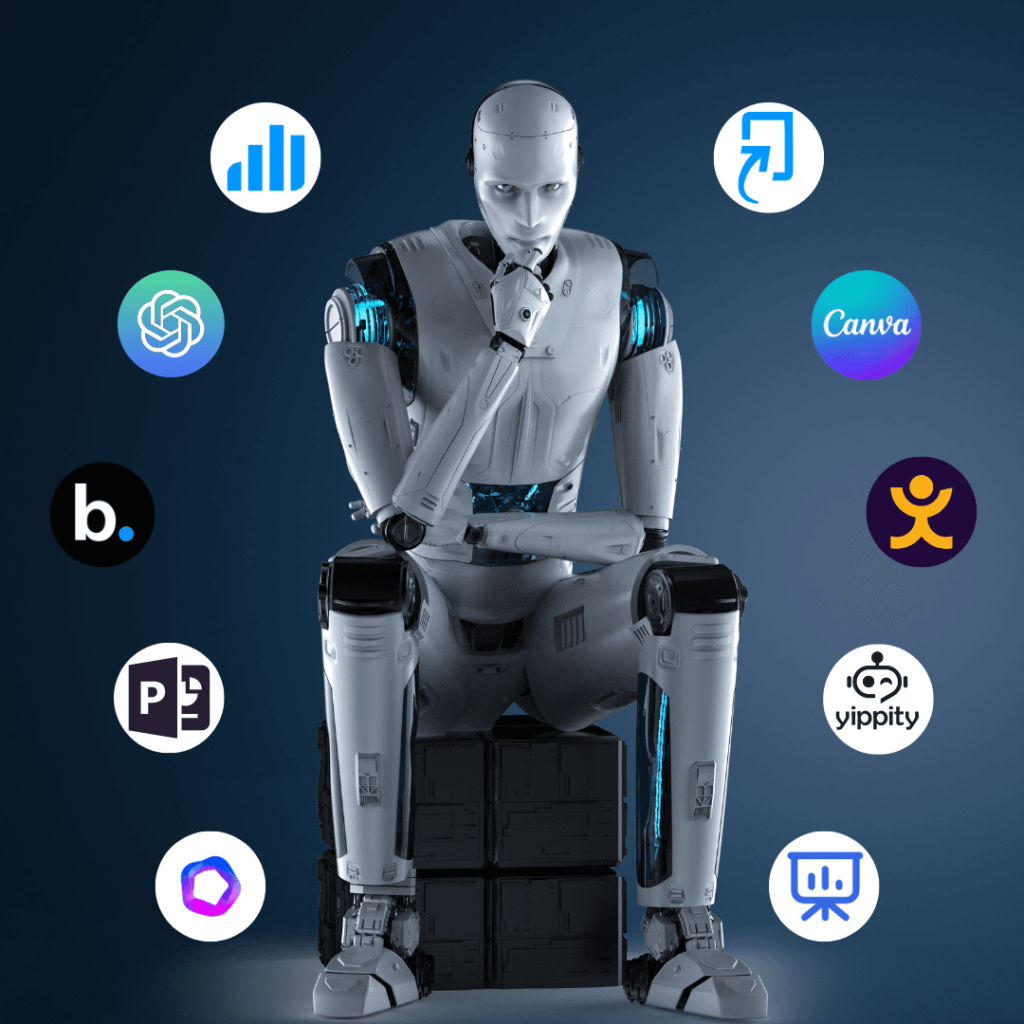
Why Teachers Are Adopting AI in 2026
Education is becoming increasingly digital, and teachers are expected to manage more responsibilities than ever before. AI helps reduce workload while improving educational quality.
Key benefits include:
- Time savings
- Increased productivity
- Personalised learning experiences
- Better student engagement
- Faster feedback
- Improved lesson quality
- Simplified classroom management
- Data-driven decision-making
Best AI Tools for Teachers in 2026
1. AI Lesson Planning Tools
Planning engaging lessons takes significant time.
AI lesson planning tools can:
- Generate lesson outlines
- Create learning objectives
- Suggest classroom activities
- Align content with curriculum standards
- Produce differentiated learning materials
This enables teachers to prepare lessons more efficiently.
2. AI Content Creation Tools
Creating educational resources becomes easier with AI.
Teachers can generate:
- Worksheets
- Presentations
- Reading passages
- Homework assignments
- Classroom activities
- Revision guides
- Study notes
Content can be adapted for different age groups and learning levels.
3. AI Quiz and Assessment Generators
AI quickly creates assessments from classroom topics.
Features include:
- Multiple-choice questions
- Short-answer quizzes
- True/false tests
- Essay prompts
- Interactive assessments
- Automatic answer keys
This reduces preparation time while supporting continuous assessment.
4. AI Grading Assistants
Marking assignments is one of the most time-consuming teaching tasks.
AI helps by:
- Grading objective questions
- Providing writing feedback
- Checking grammar
- Assessing structure
- Identifying plagiarism
- Generating performance summaries
Teachers should always review AI-generated feedback before final grading.
5. AI Writing Assistants
Writing assistants help both teachers and students improve communication.
They assist with:
- Emails to parents
- Classroom announcements
- Report comments
- Lesson instructions
- Educational content
- Academic writing support
These tools improve clarity while saving time.
6. AI Presentation Tools
Interactive presentations increase student engagement.
AI presentation tools can:
- Design slides
- Generate visuals
- Create infographics
- Summarise complex topics
- Add animations
- Suggest educational examples
This makes classroom instruction more dynamic.
7. AI Classroom Management Tools
AI supports classroom organisation by helping teachers:
- Track attendance
- Monitor behaviour
- Schedule lessons
- Manage assignments
- Organise learning materials
- Send reminders
Efficient classroom management creates more time for teaching.
8. AI Personalised Learning Platforms
Every student learns differently.
AI analyses student performance and recommends:
- Individual learning paths
- Practice exercises
- Difficulty adjustments
- Personalised feedback
- Skill development activities
This supports differentiated instruction.
9. AI Language Translation Tools
For multilingual classrooms, AI can:
- Translate classroom materials
- Support English language learners
- Improve parent communication
- Translate assignments
- Generate multilingual resources
These tools make education more inclusive.
10. AI Tutoring Tools
AI tutoring systems provide additional learning support outside the classroom.
Students receive:
- Step-by-step explanations
- Practice questions
- Homework assistance
- Revision support
- Instant feedback
Teachers can use these insights to identify areas where students may need extra help.
Essential Features to Look For
When choosing AI tools, educators should consider:
- Ease of use
- Data privacy and security
- Curriculum compatibility
- LMS integration
- Collaboration features
- Accessibility options
- Cloud-based access
- Mobile compatibility
- Regular updates
- Responsive customer support
Selecting tools that fit existing workflows can make adoption smoother.
Benefits of AI for Teachers
AI offers a range of practical advantages:
- Saves valuable preparation time
- Automates repetitive tasks
- Improves lesson quality
- Supports personalised instruction
- Enhances student engagement
- Provides faster assessment feedback
- Encourages creativity
- Improves classroom efficiency
- Supports inclusive education
- Enables data-informed teaching decisions
Challenges of Using AI in Education
Despite its advantages, AI should be used thoughtfully.
Potential challenges include:
- Protecting student privacy
- Ensuring information accuracy
- Avoiding overreliance on automation
- Addressing bias in AI-generated content
- Training teachers to use new technologies
- Managing implementation costs
- Ensuring equitable access for all students
AI Tools for Teachers remain essential for providing context, critical thinking, and personal support.
Best Practices for Using AI in Teaching
To maximise the benefits of AI:
- Use AI to support, not replace, professional teaching.
- Review AI-generated lesson plans and resources before use.
- Protect student data by following school policies and privacy regulations.
- Encourage students to use AI ethically and responsibly.
- Combine AI-assisted learning with classroom discussion and hands-on activities.
- Keep up to date with new AI tools and educational best practices.
- Gather student feedback to improve AI-supported learning experiences.
Future Trends in AI Education
AI in education is expected to continue evolving beyond 2026.
Emerging trends include:
- Adaptive learning systems
- AI-powered virtual teaching assistants
- Real-time student performance analytics
- Intelligent curriculum design
- Immersive learning with AI and virtual reality
- Automated accessibility tools
- Voice-based classroom assistants
- Predictive learning analytics
- AI-enhanced collaborative learning
- Greater integration with school management systems
These innovations are expected to create more engaging, personalised, and efficient learning environments.
How to Choose the Right AI Tool
Before selecting an AI solution, evaluate:
- Your teaching objectives
- Student age group and learning needs
- Subject area
- Compatibility with existing educational platforms
- Budget and licensing costs
- Security and privacy features
- Ease of implementation
- Training and support available
- Scalability for future classroom needs
Choosing tools that align with your educational goals will help maximise their value.
Conclusion
AI tools are reshaping education by helping teachers streamline lesson planning, automate routine tasks, personalise learning, and improve classroom engagement. In 2026, these technologies serve as valuable teaching assistants that enhance—not replace—the expertise, creativity, and judgement of educators. By selecting secure, reliable, and curriculum-aligned AI tools, teachers can save time, deliver richer learning experiences, and better support the diverse needs of their students. As AI continues to evolve, educators who embrace it responsibly will be well positioned to create smarter, more effective, and future-ready classrooms.


Post Comment