Architecture of the Future AI: Real-World Applications and Emerging Trends
Introduction
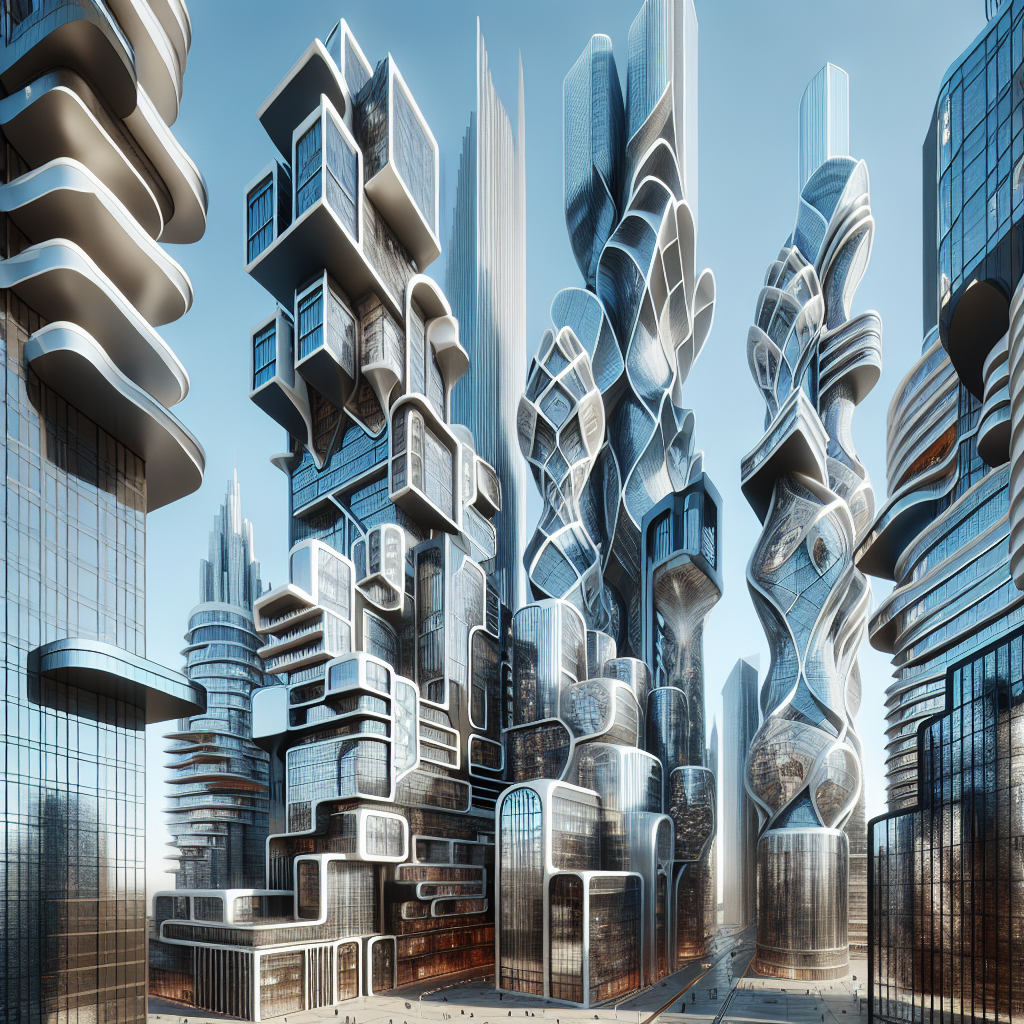
Artificial intelligence (AI) is transforming the architecture, engineering, and construction (AEC) industry by changing how buildings are designed, constructed, and managed. In 2026, AI-powered tools are helping architects create innovative, sustainable, and efficient structures while reducing costs, minimizing errors, and accelerating project timelines. From generative design and Building Information Modeling (BIM) to digital twins and smart cities, AI is shaping the architecture of the future AI .
This article explores how AI is being applied in modern architecture, the technologies driving innovation, real-world applications, key benefits, challenges, and the emerging trends that are redefining the built environment.
What Is AI in Architecture?
AI in architecture refers to the use of artificial intelligence, machine learning, computer vision, and data analytics to assist architects, engineers, and construction professionals throughout the building lifecycle.
Instead of relying solely on manual planning and traditional design methods, AI analyzes vast amounts of data, generates optimized design options, predicts project risks, and automates repetitive tasks. This enables professionals to make informed decisions faster while improving project quality and sustainability.

How AI Is Transforming Architecture
AI is influencing nearly every phase of architectural projects.
Intelligent Design
AI evaluates thousands of possible layouts based on project requirements such as:
- Site dimensions
- Climate conditions
- Budget
- Building regulations
- Energy efficiency
- Material availability
- Occupancy needs
This allows architects to explore more design possibilities in less time.
Generative Design
Generative AI creates multiple building concepts based on predefined goals and constraints. Architects can compare these options and refine the most effective solution instead of starting from scratch.
Automated Space Planning
AI helps optimize:
- Office layouts
- Residential floor plans
- Hospital designs
- Educational facilities
- Commercial buildings
The result is better space utilization and improved user experience.
Real-World Applications of AI in Architecture
Smart Building Design
AI helps design buildings that automatically adjust lighting, heating, ventilation, and cooling systems according to occupancy and weather conditions, improving energy efficiency and occupant comfort.
Sustainable Architecture
AI analyzes environmental factors such as sunlight, wind, rainfall, and temperature to recommend sustainable building materials and energy-efficient designs that reduce environmental impact.
Building Information Modeling (BIM)
AI enhances BIM by:
- Detecting design conflicts
- Improving collaboration
- Predicting construction delays
- Optimizing resource allocation
- Supporting lifecycle management
Digital Twins
Digital twins are virtual models of physical buildings that receive real-time data from sensors. AI uses these models to monitor performance, predict maintenance needs, and improve operational efficiency.
Construction Site Monitoring
Computer vision and AI-powered drones monitor construction progress by:
- Tracking project milestones
- Detecting safety hazards
- Identifying structural issues
- Comparing actual work with project plans
Structural Analysis
AI rapidly evaluates structural integrity by simulating loads, stress, and environmental conditions. This helps engineers design safer and more resilient buildings.
Predictive Maintenance
AI continuously monitors building systems such as elevators, HVAC units, and electrical infrastructure to identify potential failures before they occur, reducing downtime and maintenance costs.
Urban Planning
Governments and city planners use AI to analyze:
- Population growth
- Traffic patterns
- Public transportation
- Infrastructure demand
- Green space allocation
- Environmental impact
These insights support smarter and more sustainable urban development.
Emerging AI Technologies in Architecture
Machine Learning
Machine learning identifies patterns in historical construction and design data, helping improve future projects and forecasting potential issues.
Computer Vision
Computer vision enables AI to inspect construction sites, verify work quality, and detect defects using cameras and drones.
Natural Language Processing (NLP)
NLP assists architects by analyzing contracts, building regulations, project documentation, and client requirements more efficiently.
Robotics
AI-powered robots automate repetitive construction tasks such as bricklaying, material handling, and site inspections, improving productivity and safety.
Internet of Things (IoT)
IoT sensors collect real-time data from buildings, while AI analyzes that information to optimize energy use, occupancy management, and maintenance schedules.
Digital Twins
Advanced digital twin technology enables continuous monitoring of building performance throughout its operational life.
Benefits of AI in Future Architecture
Faster Design Process
AI generates multiple design alternatives within minutes, reducing planning time and accelerating project delivery.
Improved Sustainability
AI recommends energy-efficient materials, optimized building orientation, and environmentally friendly construction strategies.
Better Decision-Making
Data-driven insights help architects make informed design choices that balance functionality, cost, and environmental performance.
Cost Savings
AI reduces waste, improves resource planning, and identifies potential issues early, lowering overall project costs.
Increased Safety
AI detects construction hazards, monitors worker safety, and predicts structural risks before they become serious problems.
Enhanced Collaboration
Cloud-based AI platforms enable architects, engineers, contractors, and clients to collaborate using shared project data and real-time updates.
Challenges of AI in Architecture
Despite its benefits, AI adoption presents several challenges.
High Initial Investment
Advanced AI software, sensors, and computing infrastructure require significant upfront investment.
Data Quality
AI systems depend on accurate and comprehensive project data. Poor-quality data can reduce performance and lead to incorrect recommendations.
Workforce Skills
Architects and construction professionals need training to effectively use AI-powered tools and integrate them into existing workflows.
Cybersecurity Risks
Connected buildings and digital systems increase the importance of protecting sensitive project data and operational systems from cyber threats.
Ethical Considerations
AI should support human creativity rather than replace architects. Maintaining transparency, accountability, and human oversight is essential.
Emerging Trends in AI Architecture for 2026
Several trends are shaping the future of AI-powered Architecture of the Future AI
AI-Assisted Generative Design
Design software is becoming more intelligent, producing optimized building concepts that balance aesthetics, functionality, sustainability, and cost.
Climate-Responsive Architecture
AI helps architects design buildings that adapt to local environmental conditions, reducing energy consumption and improving resilience.
Net-Zero Buildings
AI supports the development of buildings that generate as much energy as they consume through intelligent energy management and renewable integration.
Autonomous Construction
Construction sites are increasingly using AI-powered robots, drones, and autonomous equipment to improve efficiency and safety.
Smart Cities
AI is enabling integrated urban systems that optimize transportation, utilities, public safety, waste management, and energy distribution.
AI-Driven Renovation
AI analyzes older buildings to recommend upgrades that improve energy efficiency, structural performance, and occupant comfort.
Best Practices for Adopting AI in Architecture
Organizations looking to implement AI should:
- Define clear project goals before adopting AI tools.
- Use reliable, high-quality project data.
- Combine AI insights with professional architectural expertise.
- Invest in staff training and digital skills.
- Prioritize cybersecurity and data privacy.
- Continuously monitor AI performance and refine models.
- Ensure compliance with local building codes and regulations.
The Future of AI in Architecture
As AI technologies continue to evolve, architecture will become increasingly intelligent, sustainable, and data-driven. Future buildings are expected to adapt dynamically to occupants’ needs, optimize energy use in real time, and integrate seamlessly with smart city infrastructure.
Architects will continue to play a central role, using AI as a collaborative tool to enhance creativity, improve decision-making, and solve complex design challenges. The combination of human expertise and AI-driven insights will enable the creation of safer, more efficient, and environmentally responsible built environments.
Conclusion
AI is redefining the future of architecture by transforming design, construction, building management, and urban planning. Through technologies such as generative design, computer vision, digital twins, machine learning, and IoT, architects and engineers can create smarter, more sustainable, and more resilient buildings.
Although challenges such as implementation costs, data quality, cybersecurity, and workforce training remain, the benefits of AI far outweigh the obstacles. As adoption grows in 2026 and beyond, AI will continue to shape the next generation of buildings and cities, helping the architecture industry deliver innovative solutions that meet the evolving needs of people, businesses, and the environment.


Post Comment