AI Search Optimization: A Smart Growth Strategy for Small Businesses

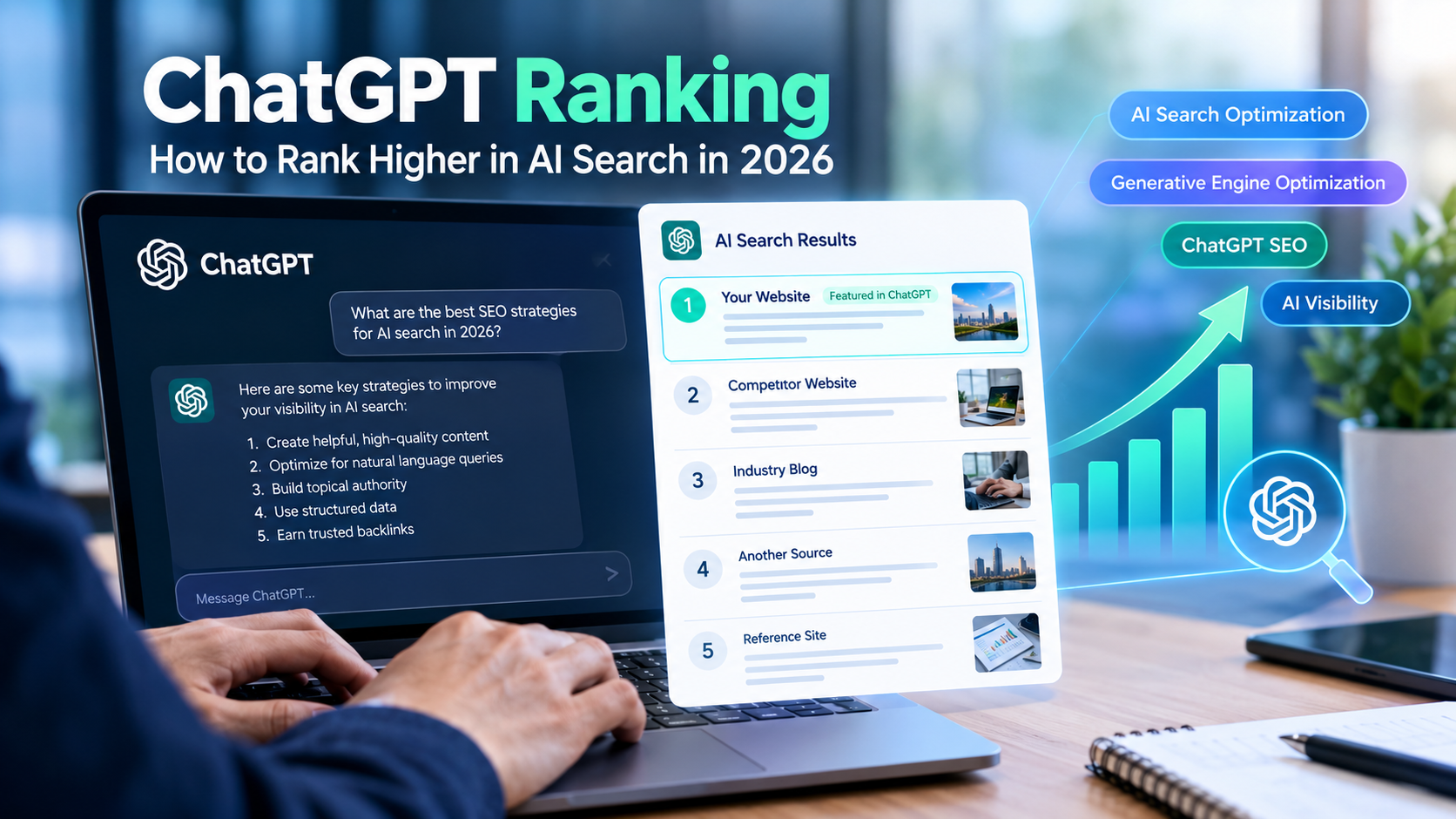
As more people use AI-powered search tools like Chat GPT, Google AI Overviews, Perplexity, and Microsoft Copilot to find products, services, and answers, small businesses need to adapt their online presence. AI Search Optimization (AISO) is the process of making your content and website easier for AI systems to understand, trust, and recommend.
Unlike traditional SEO, which focuses on ranking webpages in search results, AISO aims to increase the chances that your business is mentioned or cited directly in AI-generated answers.
What Is AI Search Optimization?
AI Search Optimization involves creating high-quality, structured, and trustworthy content that AI models can easily interpret. It combines elements of SEO, content marketing, technical optimization, and brand authority.
The goal is to help AI assistants answer questions such as:
- “Who is the best local plumber near me?”
- “What accounting software is best for freelancers?”
- “Which bakery offers gluten-free cakes in London?”
AI tools are more likely to suggest you if your company offers the finest solution.

Why AI Search Optimization Matters for Small Businesses
1. Growing Use of AI Search
Instead of utilizing conventional search engines, millions of individuals now start their research with AI helpers. Businesses that optimize for AI visibility can reach customers earlier in their buying journey.
2. Higher Trust
AI systems prefer information from reliable, authoritative, and well-structured sources. Appearing in AI-generated responses can increase credibility and brand recognition.
3. Better Qualified Leads
Most people who ask for AI tools want to buy specific things.Being recommended by AI can attract visitors who are closer to making a buying decision.
4. Competitive Advantage
Many small businesses still focus only on traditional SEO. Early adoption of AI optimization provides an opportunity to stand out before the market becomes more competitive.
Key Elements of AI Search Optimization
1. Create Helpful, In-Depth Content
Publish content that answers real customer questions.
Examples include:
- Frequently Asked Questions
- How-to guides
- Buying guides
- Product comparisons
- Industry insights
- Troubleshooting articles
Focus on solving problems rather than simply promoting products.
2. Build Topical Authority
AI models prefer websites that consistently publish useful information on a specific topic.
For example, a local fitness center might create content about:
- Weight loss
- Nutrition
- Strength training
- Home workouts
- Exercise for seniors
- Recovery techniques
Comprehensive coverage signals expertise.
3. Use Clear Website Structure
Organize content with:
- Descriptive headings (H1, H2, H3)
- Short paragraphs
- Bullet points
- Tables
- Internal links
- Logical navigation
A clear structure helps both users and AI systems understand your content.
4. Optimize for Conversational Queries
People ask AI tools questions in natural language.
Instead of targeting only:
“Best accountant London”
Also create content answering:
- How do I choose an accountant for a small business?
- What does a tax advisor do?
- When should I hire an accountant?
Natural-language content aligns with how AI processes user queries.
5. Demonstrate Experience and Expertise
Include:
- Author biographies
- Certifications
- Awards
- Client testimonials
- Case studies
- Customer success stories
- Industry experience
These trust signals help establish credibility.
6. Keep Information Current
AI systems favor accurate and up-to-date information.
Regularly update:
- Prices
- Services
- Contact information
- Business hours
- Product details
- Statistics
- Industry trends
Fresh content is more likely to remain relevant.
7. Strengthen Your Brand Presence
Maintain consistent business information across:
- Your website
- Business directories
- Social media
- Review platforms
- Industry associations
Consistency improves trust and discoverability.
8. Add Structured Data
Use schema markup to help search engines and AI systems understand your content.
Useful schema types include:
- Local Business
- Organization
- Product
- Service
- FAQ
- Article
- Review
- Event
Structured data provides machine-readable context.
Best Practices for AI-Friendly Content
Write Naturally
Use conversational language that directly answers users’ questions.
Answer Questions Early
Provide concise answers near the beginning of each section before expanding with more detail.
Use Original Insights
Share your own experiences, data, or case studies rather than relying solely on generic information.
Include Visuals
Support your content with:
- Images
- Infographics
- Charts
- Videos
- Step-by-step illustrations
Visual content enhances engagement and understanding.
Improve Readability
- Short paragraphs
- Clear headings
- Bullet points
- Numbered lists
- Simple language
Readable content benefits both users and AI systems.
Technical Considerations
Ensure your website:
- Loads quickly
- Is mobile-friendly
- Uses HTTPS
- Has clean URLs
- Includes XML sitemaps
- Avoids duplicate content
- Fixes broken links
- Supports proper indexing
A technically sound site helps search engines and AI tools access your content efficiently.
Measuring Success
Track performance using metrics such as:
- Organic website traffic
- AI referral traffic (where available)
- Search impressions
- Featured snippets
- Brand mentions
- Conversion rates
- Lead generation
- Customer inquiries
These metrics aid in evaluating the results of your optimization efforts.
Common Mistakes to Avoid
- Publishing thin or low-value content
- Keyword stuffing
- Ignoring user intent
- Using outdated information
- Neglecting technical SEO
- Failing to demonstrate expertise
- Creating duplicate content
- Overlooking local optimization for location-based businesses
Future of AI Search
AI search Optimization is becoming more personalized, conversational, and context-aware. Businesses that invest in high-quality content, technical excellence, and genuine expertise will be better positioned to remain visible as search technology evolves.
Final Thoughts
AI Search Optimization is quickly becoming an essential component of digital marketing. For small businesses, it offers an opportunity to increase visibility, build trust, and connect with customers in new ways. Businesses can increase their chances of being featured in AI-generated recommendations and remain competitive in the marketplace by concentrating on useful content, clear website structure, technical performance, and strong credibility signals. evolving search landscape.



Post Comment