AI Hiring Bias: How to Audit Your Recruitment Process
Introduction
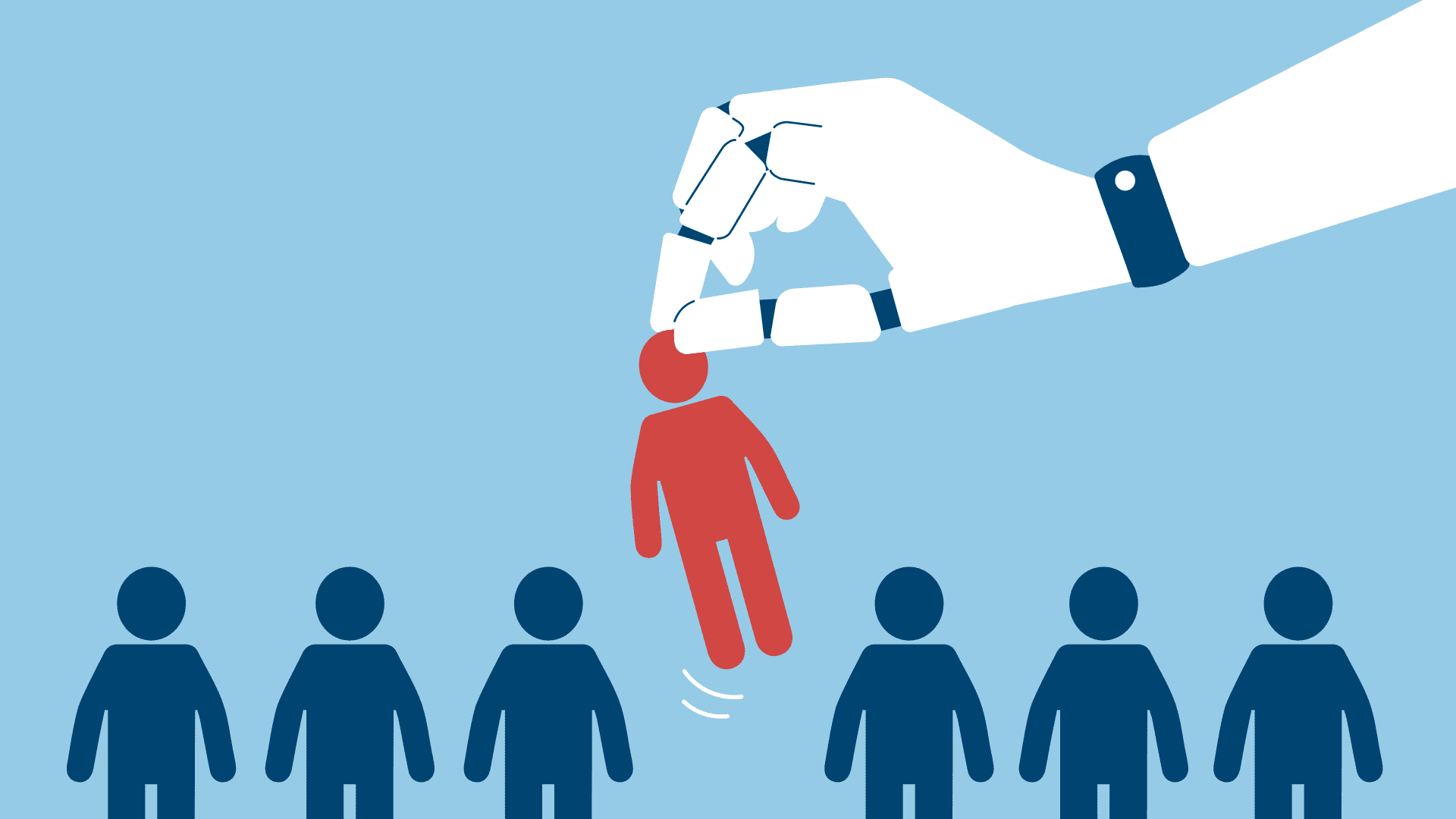
AI is increasingly used to screen resumes, rank candidates, assess applications, and support hiring decisions. While these tools can improve recruitment efficiency, poorly designed or poorly monitored systems can also reproduce or amplify existing hiring bias. A regular AI hiring bias audit helps businesses identify unfair patterns, improve transparency, and build a more equitable recruitment process.
What Is AI Hiring Bias?
AI hiring bias occurs when an artificial intelligence system produces systematically unfair outcomes for certain groups of candidates. Bias can enter through historical hiring data, biased training datasets, inappropriate algorithms, or the way recruiters use AI-generated recommendations.

How AI Can Introduce Bias Into Recruitment
Common sources of AI hiring bias include:
- Biased historical recruitment data
- Unrepresentative training datasets
- Proxy variables that indirectly reflect sensitive characteristics
- Automated resume screening
- Biased candidate-ranking systems
- Poorly designed assessment models
- Human overreliance on AI recommendations
Why Auditing AI Hiring Systems Matters
Regular audits can help organizations:
- Detect unequal candidate outcomes
- Identify potentially discriminatory patterns
- Improve recruitment transparency
- Reduce risks associated with automated decision-making
- Strengthen candidate trust
- Support fairer hiring practices
How to Audit Your Recruitment Process for AI Bias
1. Map Every AI Tool Used in Hiring
Identify where AI is involved, from job advertising and resume screening to candidate assessments and interview recommendations.
2. Review the Training and Input Data
Examine whether the data used to develop or operate the system is representative and whether historical hiring decisions may contain existing bias.
3. Compare Candidate Outcomes
Analyze important recruitment stages, including application screening, interview selection, assessments, and final hiring decisions. Look for significant differences between demographic groups where lawful and appropriate to measure.
4. Test the AI System Regularly
Use controlled testing to determine whether candidates with similar qualifications receive different recommendations because of irrelevant characteristics or proxies.
5. Check for Proxy Bias
Even when sensitive characteristics are excluded, variables such as location, education history, career gaps, or certain employment patterns may unintentionally act as proxies.
6. Keep Humans Involved
AI should support recruiters rather than become an unquestioned decision-maker. Establish clear human-review procedures for important hiring decisions.
7. Document Audit Results
Record identified risks, testing methods, corrective actions, and follow-up reviews. Documentation makes it easier to demonstrate responsible AI governance.
Key Metrics to Monitor
Organizations can monitor metrics such as:
- Candidate selection rates
- Interview invitation rates
- Assessment outcomes
- Hiring rates
- False-positive and false-negative rates
- Model performance across candidate groups
- Differences in AI recommendations
How to Reduce AI Hiring Bias
Once potential bias is identified, organizations can improve the system by reviewing training data, adjusting evaluation criteria, testing alternative models, removing inappropriate variables, strengthening human oversight, and conducting regular audits.
AI Hiring Bias Audit Checklist
Before relying heavily on an AI recruitment system, ask:
- What decisions does the AI influence?
- What data was used to develop the system?
- Could historical bias be present?
- Are candidate outcomes monitored?
- Is the system tested across relevant groups?
- Can recruiters override AI recommendations?
- Are audit results documented?
- How often is the system reassessed?
Conclusion
AI can make recruitment faster and more scalable, but automation does not automatically make hiring fair. Organizations should regularly audit AI-powered recruitment systems, monitor candidate outcomes, investigate potential sources of bias, and maintain meaningful human oversight. A structured AI hiring bias audit can help businesses build recruitment processes that are more transparent, accountable, and fair.

Post Comment