SPY vs SPX: Which Is Better for Investors in 2026?
When comparing major U.S. stock market investments, SPY vs SPX is a common search among investors. Both are closely connected to the S&P 500, but they are not the same type of financial instrument.
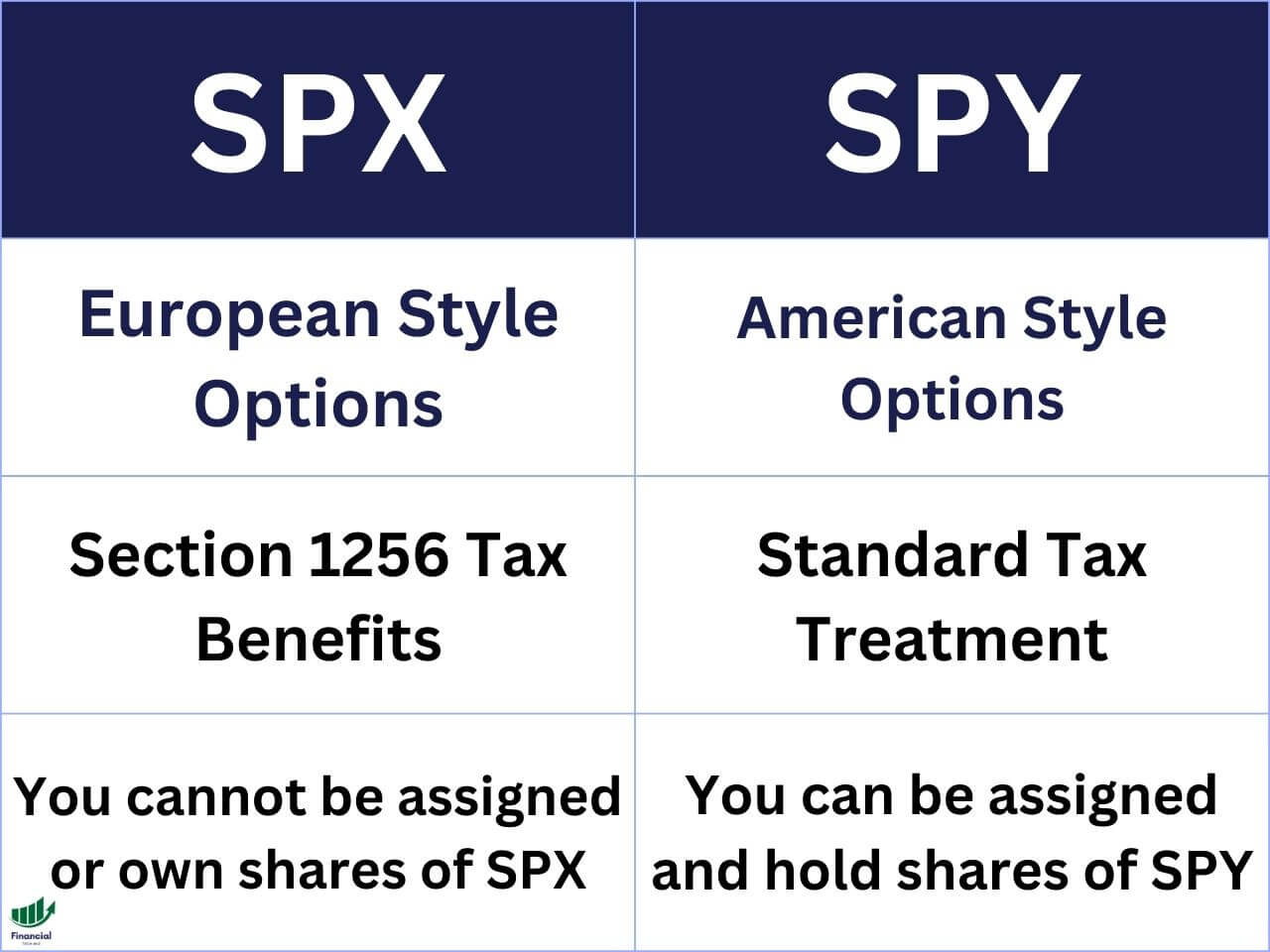
SPY is an exchange-traded fund (ETF) designed to track the S&P 500 Index, while SPX is the ticker symbol commonly used for the S&P 500 Index itself. Understanding the difference is important because investors can buy and sell SPY shares, while SPX is primarily used as an index for measuring U.S. large-cap stock market performance.
So, SPY vs SPX: which is better for investors in 2026? The answer depends on whether you want to invest in an ETF or simply track the performance of the S&P 500.
What Is SPY?
SPY is the SPDR S&P 500 ETF Trust. It is one of the best-known ETFs designed to provide exposure to the S&P 500 Index.
Instead of buying hundreds of individual companies separately, investors can purchase shares of SPY through a brokerage account. The ETF holds a portfolio designed to closely follow the performance of the S&P 500.
SPY provides exposure to large U.S. companies across sectors such as technology, healthcare, financials, industrials, consumer discretionary, communication services, energy, utilities, materials, and real estate.
Because it is an ETF, SPY has a market price that moves throughout the trading day.
What Is SPX?
SPX is the ticker symbol used for the S&P 500 Index.
The index measures the performance of approximately 500 leading publicly traded U.S. companies. Unlike an ETF, SPX itself is not a fund that investors purchase as ordinary shares.
Instead, SPX acts as a benchmark for the U.S. large-cap stock market.
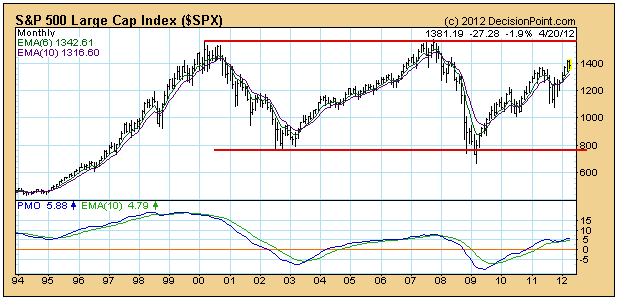
When financial news reports that the S&P 500 gained or lost a certain percentage, it is generally referring to the performance of the index represented by SPX.
SPY vs SPX: The Main Difference
The biggest difference is simple:
SPY is an investable ETF, while SPX is an index.
SPY attempts to track the performance of SPX, minus expenses and other factors that can create small differences in returns.
| Feature | SPY | SPX |
| Type | ETF | Stock market index |
| Tracks | S&P 500 | S&P 500 |
| Can ordinary investors buy it directly? | Yes | No |
| Trades throughout the day | Yes | Index value changes during market hours |
| Pays distributions | Yes | No |
| Investment vehicle | Yes | No |
| Main purpose | Investing and trading | Benchmark and market measurement |
This distinction makes SPY more relevant for investors who want direct exposure to the S&P 500.
SPY vs SPX: How Are They Related?
SPY and SPX are closely connected because SPY is designed to track the S&P 500 Index.
When the S&P 500 rises, SPY will generally rise as well. When the index declines, SPY will generally decline.
However, their prices are not identical.
SPX represents the value of the index, while SPY represents the market price of ETF shares. Their numerical values are therefore different.
For investors, the more important point is that SPY is designed to provide an investment vehicle that follows the underlying S&P 500 benchmark.
SPY vs SPX Performance
SPX is often used to measure the performance of the S&P 500, while SPY provides an investable way to participate in that market.
The two can show slightly different performance because SPY has operating expenses and other tracking factors.
SPY also distributes dividends received from the companies in its portfolio. Therefore, investors comparing SPY and the S&P 500 should pay attention to whether they are comparing price returns or total returns.
Over long periods, SPY generally aims to track the performance of its benchmark as closely as practical.
SPY vs SPX: Which Has More Stocks?
Both are connected to the same underlying S&P 500 universe.
The S&P 500 is composed of hundreds of large U.S. companies. The exact number of securities can vary because certain companies have multiple share classes represented in the index.
SPY holds securities designed to replicate the index.
This means investors buying SPY gain exposure to a broad collection of major American businesses rather than relying on the performance of a single company.
SPY Holdings
SPY provides exposure to some of the largest companies in the United States.
Major holdings can include companies such as:
- NVIDIA
- Apple
- Microsoft
- Amazon
- Alphabet
- Broadcom
- Meta Platforms
- Tesla
- Berkshire Hathaway
- JPMorgan Chase
The exact holdings and portfolio weights change over time as stock prices, market capitalizations, and S&P 500 membership change.
For the latest holdings, investors should always check the fund’s official information.
SPX Sectors
Because SPX represents the S&P 500, it provides exposure to many areas of the U.S. economy.
These include:
- Information technology
- Financials
- Health care
- Consumer discretionary
- Communication services
- Industrials
- Consumer staples
- Energy
- Utilities
- Real estate
- Materials
The weighting of these sectors changes over time.
Technology and other large growth companies can have a substantial influence on the index because the S&P 500 is weighted primarily by market capitalization.
SPY vs SPX for Long-Term Investors
For a long-term investor, SPY is generally the relevant choice between the two because it is an actual ETF that can be purchased through a brokerage account.
SPX is better understood as the benchmark used to measure the performance of the underlying market.
For example, an investor might purchase SPY as part of a diversified portfolio and then compare its performance against SPX to determine how closely the ETF has tracked its benchmark.
This makes SPX useful for analysis, while SPY can be used for actual market exposure.
SPY vs SPX for Traders
The comparison becomes more interesting for active traders.
SPX is widely used as a reference for options and derivatives based on the S&P 500. SPY, meanwhile, is an ETF that can be traded like other exchange-traded securities.
Traders may choose between products related to SPX and SPY depending on their strategy, position size, liquidity requirements, tax considerations, and risk management approach.
However, these products can have different contract specifications and settlement characteristics, so traders should understand the specific instrument before using it.
SPY vs SPX Dividends
Another major difference is dividends.
SPY holds stocks that pay dividends, and the ETF distributes income to shareholders according to its distribution policy.
SPX itself does not pay dividends because it is an index rather than an investment fund.
The companies represented within the index may pay dividends, but those payments are not directly received by someone simply tracking the SPX index value.
This is one reason investors should distinguish between an index and an investable fund.
SPY Expense Ratio
SPY has an expense ratio because it is an ETF.
The fund charges operating expenses that are reflected in its returns.
Although ETF expenses may appear small, they can have an impact on long-term investment results. Investors should check the latest official expense ratio before making an investment decision because fund fees can change.
SPX itself does not have an ETF expense ratio because it is an index rather than a fund.
SPY vs SPX: Which Is Better?
There is no direct winner because SPY and SPX serve different purposes.
SPY may be better for investors who want:
- Direct exposure to the S&P 500
- An ETF that can be bought and sold
- Dividend distributions
- A diversified portfolio through one security
- Easy access through a brokerage account
SPX may be better for investors or analysts who want:
- A benchmark for U.S. large-cap stocks
- A way to monitor S&P 500 performance
- An index for market analysis
- Exposure through certain derivatives and options strategies
Therefore, for most ordinary investors asking which one they can actually invest in, SPY is the more relevant choice.
SPY vs SPX vs S&P 500
The terms can sometimes be confusing.
The S&P 500 is the index itself.
SPX is the commonly used ticker symbol representing that index.
SPY is an ETF designed to track the S&P 500.
In simple terms:
S&P 500 = Index
SPX = Index ticker
SPY = ETF that tracks the index
Understanding these terms can make financial articles, market reports, and investment discussions much easier to follow.
Is SPY a Good Way to Invest in the S&P 500?
SPY can be a convenient way to obtain broad exposure to large U.S. companies through a single ETF.
Instead of purchasing hundreds of stocks individually, investors can use one ETF to gain exposure to a diversified portfolio.
However, SPY still carries stock-market risk. Its price can fall during market corrections, recessions, economic uncertainty, or periods of weak investor sentiment.
Investors should consider their financial objectives, investment horizon, risk tolerance, and overall portfolio before investing.
SPY vs SPX: Which Should You Choose in 2026?
For most investors who want to invest in the S&P 500, SPY is the more practical choice because it is an ETF that can be purchased and held in a brokerage account.
SPX is more useful as a market benchmark and for investors interested in certain index-based trading and derivatives strategies.
The important thing is not to think of SPY and SPX as competing stocks. They represent different ways of interacting with the same underlying market.
Final Thoughts
The SPY vs SPX comparison becomes much easier once the difference between an ETF and an index is understood.
SPY is an exchange-traded fund that seeks to track the S&P 500, while SPX represents the S&P 500 Index itself. SPY can be purchased by investors, while SPX is primarily used as a benchmark and reference for the performance of large U.S. companies.
For investors seeking direct exposure to the S&P 500 in 2026, SPY can provide a convenient and diversified investment vehicle. SPX, meanwhile, remains an important benchmark for understanding how the broader U.S. large-cap market is performing.
Before investing, investors should review the latest fund information, fees, holdings, and their own financial objectives.



Post Comment