David Vélez: From Stanford to Building Nubank’s Financial Revolution
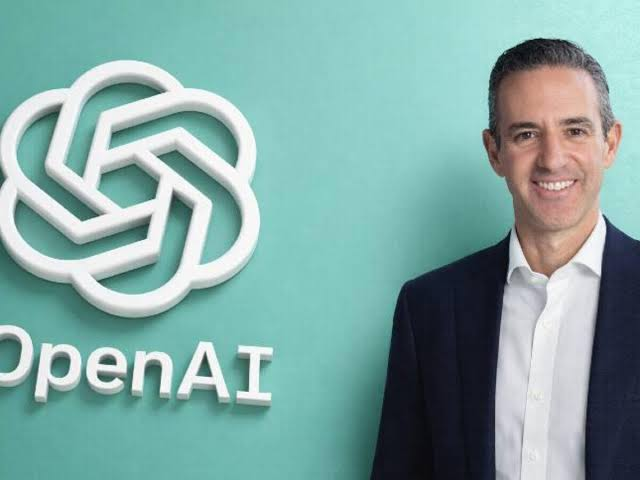
David Vélez is one of the most influential entrepreneurs in the modern fintech industry. As the founder, CEO, and chairman of Nubank, he helped challenge traditional banking by building a digital-first financial services company focused on simplicity, accessibility, and customer experience.
His journey from Colombia and Costa Rica to Stanford University, Wall Street, venture capital, and eventually entrepreneurship demonstrates how professional experience can turn an everyday problem into a major business opportunity.
Today, Nubank has grown into one of Latin America’s most significant digital financial institutions, serving more than 100 million customers across Brazil, Mexico, and Colombia.
Who Is David Vélez?
David Vélez is a Colombian entrepreneur and financial technology leader best known as the founder and CEO of Nubank. He studied Management Science and Engineering at Stanford University and later earned an MBA from Stanford Graduate School of Business.
Before launching Nubank, Vélez developed experience across some of the world’s leading financial and investment organizations. His professional background included investment banking at Goldman Sachs and Morgan Stanley, growth equity at General Atlantic, and venture capital at Sequoia Capital.
This combination of finance, technology, and investment experience became important when he began looking for an opportunity to transform financial services.
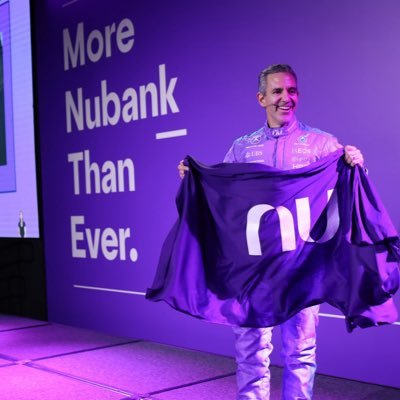
David Vélez’s Early Life and Education
Vélez was born in Medellín, Colombia. His early life was influenced by both difficult circumstances and an entrepreneurial family environment. His father operated a button factory, and entrepreneurship was familiar within his extended family.
After his family moved to Costa Rica, Vélez developed a strong interest in education and financial markets. Eventually, his academic path led him to Stanford University in the United States.
At Stanford, he studied Management Science and Engineering and later returned to Stanford Graduate School of Business for his MBA. His Stanford education exposed him to technology, entrepreneurship, management, and the emerging Silicon Valley ecosystem.
From Wall Street to Venture Capital
After completing his undergraduate education, Vélez began building a career in finance.
He worked at major institutions including Morgan Stanley and Goldman Sachs before moving into growth equity with General Atlantic. Later, he joined Sequoia Capital and became responsible for the firm’s Latin American investment activities.
His time in investment banking and venture capital gave him a different perspective on entrepreneurship. Instead of simply investing in companies, Vélez became increasingly interested in building a company himself.
That opportunity emerged in Brazil.
The Banking Problem That Inspired Nubank
One of the most important moments in Vélez’s entrepreneurial journey came when he experienced Brazil’s traditional banking system firsthand.
When he attempted to open a bank account in Brazil, the process took months and involved lengthy queues, extensive documentation, and multiple interactions with the bank. The experience frustrated him and made him question why financial services were so complicated.
At the same time, Vélez saw a larger opportunity. Brazil had a huge population, rapidly increasing smartphone and internet adoption, and a banking sector dominated by a relatively small number of major institutions.
Rather than seeing the existing system as impossible to challenge, he saw an opportunity to rebuild banking around technology and customer needs.
Founding Nubank in 2013
In 2013, David Vélez co-founded Nubank with Cristina Junqueira and Edward Wible. The company’s mission was straightforward: remove unnecessary complexity from financial services and give customers greater control over their money.
Nubank initially focused on a digital credit card experience. Customers could apply through a mobile application rather than visiting a traditional bank branch.
The approach was radically different from conventional banking. Instead of relying on expensive branch networks and complicated processes, Nubank emphasized technology, mobile access, transparent pricing, and customer service.
Stanford’s Graduate School of Business notes that Nubank initially attracted one million customers within its first two years with virtually no formal marketing, demonstrating the strength of its customer-focused model.
How Nubank Changed Digital Banking
Nubank’s success was not simply about creating another banking application. Its larger innovation was changing the relationship between customers and financial institutions.
Traditional banking had often been associated with:
- Physical branches
- Long queues
- Complicated paperwork
- High fees
- Limited customer support
- Slow financial processes
Nubank approached these challenges differently.
Its digital model allowed customers to manage financial services through smartphones. As the company expanded, its product portfolio grew beyond credit cards to include accounts, loans, savings products, debit cards, and services for small businesses.
The company’s philosophy was built around making financial services simpler rather than making customers adapt to complicated banking systems.
David Vélez’s Leadership Philosophy
Vélez’s leadership approach combines technology, customer focus, and long-term thinking.
Rather than competing with traditional banks solely through financial products, Nubank attempted to compete through the overall customer experience.
The company’s own founder has described its original mission as fighting bureaucracy, poor customer attention, and excessive fees in financial services.
This philosophy helped establish a distinctive company culture around simplicity and customer empowerment.
For Vélez, technology was not the final product. It was the tool that allowed Nubank to redesign financial services.
Nubank’s Rapid Growth
Nubank’s growth illustrates the scale of the opportunity Vélez identified.
The company reached one million customers in 2016. By 2019, Stanford reported that Nubank had reached approximately 14 million customers.
In May 2024, Nubank announced that it had reached 100 million customers across Brazil, Mexico, and Colombia, becoming the first digital bank outside Asia to reach that milestone.
More recent reporting has placed Nubank’s customer base above 120 million, demonstrating how dramatically the company has expanded since its launch in 2013.
Nubank Goes Public
Another major milestone came in 2021, when Nubank went public on the New York Stock Exchange.
Stanford reported that the company reached a valuation of approximately $41 billion at its public debut.
The IPO transformed Nubank from a Brazilian fintech startup into a major publicly traded financial technology company with international ambitions.
For Vélez, the listing represented more than financial success. It demonstrated that a digital-first financial institution could challenge established banking models at a massive scale.
David Vélez and Financial Inclusion
One of Nubank’s most important impacts has been its role in expanding access to financial services.
The company’s digital model allows people to access financial products without depending on traditional bank branches. Nubank has reported that tens of millions of people entered the formal financial system through its services.
This is particularly important in markets where traditional financial institutions have historically been expensive, difficult to access, or inconvenient for underserved consumers.
The broader lesson is that fintech can do more than digitize existing banking products. It can redesign how people interact with financial services.
David Vélez’s Approach to Innovation
Vélez’s story highlights several principles that entrepreneurs can apply to other industries.
1. Start With a Real Problem
Nubank did not begin simply because digital banking was fashionable. It emerged from a genuine frustration with an inefficient banking experience.
2. Challenge Industry Assumptions
Many people believed that challenging Brazil’s established banking institutions would be extremely difficult. Vélez and his co-founders decided that the difficulty itself represented an opportunity.
3. Use Technology to Remove Friction
Instead of using technology merely as an additional channel, Nubank used it to redesign the customer journey.
4. Put Customers at the Center
Customer experience became one of Nubank’s strongest differentiators. The company sought to make financial products easier to understand and use.
5. Think Beyond the First Product
Nubank began with credit cards but expanded into a broader financial ecosystem. This allowed the company to deepen its relationship with customers.
David Vélez and the Future of Fintech
The fintech industry continues to evolve rapidly, and Nubank is increasingly operating at a much larger scale.
The company has expanded beyond its original Brazilian market into Mexico and Colombia and continues to explore opportunities for further growth. Recent reporting also highlights Nubank’s ambitions in the United States and its increasing use of artificial intelligence across financial services.
For Vélez, the next stage of fintech may involve combining digital banking with artificial intelligence, personalized financial products, automated decision-making, and broader financial inclusion.
The challenge will be maintaining the simplicity and customer trust that helped Nubank grow while operating at global scale.
David Vélez’s Impact on Modern Banking
David Vélez’s career demonstrates how entrepreneurial opportunities can emerge from frustration with established systems.
His Stanford education provided a foundation in engineering and management. His experience at Goldman Sachs, Morgan Stanley, General Atlantic, and Sequoia Capital gave him insight into finance and venture investing. But it was his personal experience with Brazil’s banking system that helped inspire the idea for Nubank.
Nubank subsequently showed that financial institutions did not necessarily need to depend on traditional branches and complicated processes to serve millions of customers.
The company helped accelerate the transition toward mobile-first banking across Latin America and demonstrated the potential of technology to make financial services more accessible.
Conclusion
David Vélez’s journey from Stanford student to Nubank founder is a powerful example of how education, professional experience, personal frustration, and entrepreneurial vision can come together to create a transformative company.
By founding Nubank in 2013, Vélez and his co-founders challenged long-established banking practices and introduced a digital-first approach focused on convenience, transparency, and customer experience.
Nubank’s growth into a financial platform serving more than 100 million people shows the scale that fintech innovation can achieve. More importantly, Vélez’s story demonstrates that some of the biggest business opportunities can come from asking a simple question: Why does this have to be so complicated?
As digital banking, artificial intelligence, and financial technology continue to evolve, David Vélez and Nubank remain important examples of how technology can reshape an entire industry.



Post Comment