Performance Microphone: Choose the Right Microphone for Better Audio
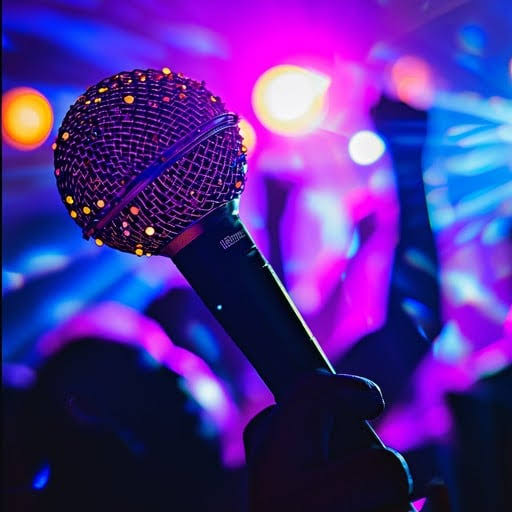
A good microphone can make a major difference in how your voice, music, and other sounds are recorded or delivered. Whether you are performing on stage, recording in a studio, streaming online, or creating content, choosing the right performance microphone can help produce clearer, more balanced, and professional-quality audio.
What Is a Performance Microphone?
A performance microphone is designed to capture vocals, instruments, speech, or other sounds during live performances and recording sessions. Unlike basic microphones intended for casual communication, performance microphones are generally designed with factors such as sound quality, durability, handling, and noise control in mind.
The right microphone depends on how and where you plan to use it. A microphone suitable for a singer may not be the best choice for a podcast, musical instrument, or live presentation.
Why Choosing the Right Microphone Matters
Audio quality plays an important role in how an audience experiences a performance. Even a talented singer or speaker can sound less professional when the microphone produces excessive noise, distortion, or unclear vocals.
A suitable performance microphone can help provide:
- Clear vocal reproduction
- Better sound consistency
- Reduced unwanted noise
- Improved stage performance
- Greater recording quality
- Reliable performance during extended use
Types of Performance Microphones
Dynamic Microphones
Dynamic microphones are widely used for live performances because they are generally durable and can handle high sound-pressure levels. They can be particularly useful for vocals, drums, guitar amplifiers, and other loud sources.
Their rugged construction also makes them practical for musicians who regularly travel between venues.
Condenser Microphones
The sensitivity and intricate sound reproduction of condenser microphones are well-known. They are commonly used in studios for vocals, acoustic instruments, podcasts, and other applications where capturing subtle audio details is important.
Because they are more sensitive, condenser microphones often benefit from a controlled recording environment.
Wireless Microphones
Wireless microphones provide greater freedom of movement by eliminating the need for a physical cable between the microphone and audio system. They can be useful for performers, presenters, speakers, and entertainers who need to move around a stage.
When choosing a wireless system, consider its transmission range, battery life, connectivity, and reliability.
Important Features to Consider
Sound Quality
Sound quality should be one of the first considerations when selecting a microphone. Look for a microphone that reproduces vocals or instruments naturally without excessive distortion or unwanted coloration.
Polar Pattern
The sensitivity and intricate sound reproduction of condenser microphones are well-known.
Common patterns include:
- Cardioid: Primarily captures sound from the front.
- Omnidirectional: Captures sound from multiple directions.
- Supercardioid: Provides a narrower pickup area than cardioid.
- Bidirectional: Captures sound from the front and rear.
For many live vocal performances, directional microphones can help reduce unwanted sound from other parts of the stage.
Durability
A microphone used for live performances may be handled frequently, transported between locations, and exposed to accidental drops or impacts. Durable construction can therefore be an important consideration.
Frequency Response
The range of frequencies that a microphone can record is indicated by its frequency response. A microphone with an appropriate frequency response can help vocals and instruments sound natural and balanced.
Connectivity
Consider how the microphone will connect to your existing equipment. Depending on the setup, you may need an XLR connection, USB connection, or wireless receiver.
Performance Microphone for Singers
Singers often need microphones that can capture vocals clearly while minimizing feedback and background noise. A directional dynamic microphone can be a practical choice for many live performances because it focuses primarily on the sound coming from the performer.
For studio vocals, a condenser microphone may be preferred when greater detail and sensitivity are required.
Performance Microphone for Streaming and Content Creation
A quality microphone can also improve livestreams, videos, tutorials, and online presentations. USB microphones are convenient for many creators because they can connect directly to a computer without requiring a separate audio interface.
Creators should also consider microphone placement, room acoustics, background noise, and recording software.
Performance Microphone for Live Events
Live environments can be challenging because of speakers, instruments, audience noise, and room acoustics. A microphone designed for stage use should provide reliable performance while helping minimize unwanted feedback and noise.
For live events, durability and dependable connectivity can be just as important as sound quality.
How to Choose the Right Performance Microphone
Before purchasing, consider these factors:
| Feature | What to Consider |
| Microphone Type | Dynamic, condenser, or wireless |
| Polar Pattern | Choose according to your environment |
| Sound Quality | Clear and natural audio reproduction |
| Connectivity | XLR, USB, or wireless |
| Durability | Important for frequent live use |
| Frequency Response | Suitable for your voice or instrument |
| Environment | Studio, stage, home, or outdoor use |
| Budget | Balance features with your requirements |
Tips for Better Microphone Performance
Choosing a good microphone is only part of getting professional audio. Proper setup can also make a significant difference.
Keep the microphone at a suitable distance from your mouth or instrument and avoid pointing it directly toward nearby speakers. Use a pop filter or windscreen when appropriate, and adjust input gain carefully to prevent clipping.
For recording, reducing background noise and improving room acoustics can further enhance the final result.
Final Thoughts
Choosing the right performance microphone depends on your specific needs, environment, and audio equipment. A live singer may prioritize durability and feedback control, while a studio vocalist may focus on sensitivity and detailed sound reproduction.
By comparing microphone type, sound quality, polar pattern, connectivity, durability, and frequency response, you can find a microphone that delivers better audio and supports a more professional performance.




Post Comment