Vlad Tenev: Inside the Fortune of Robinhood’s Co-Founder in 2026
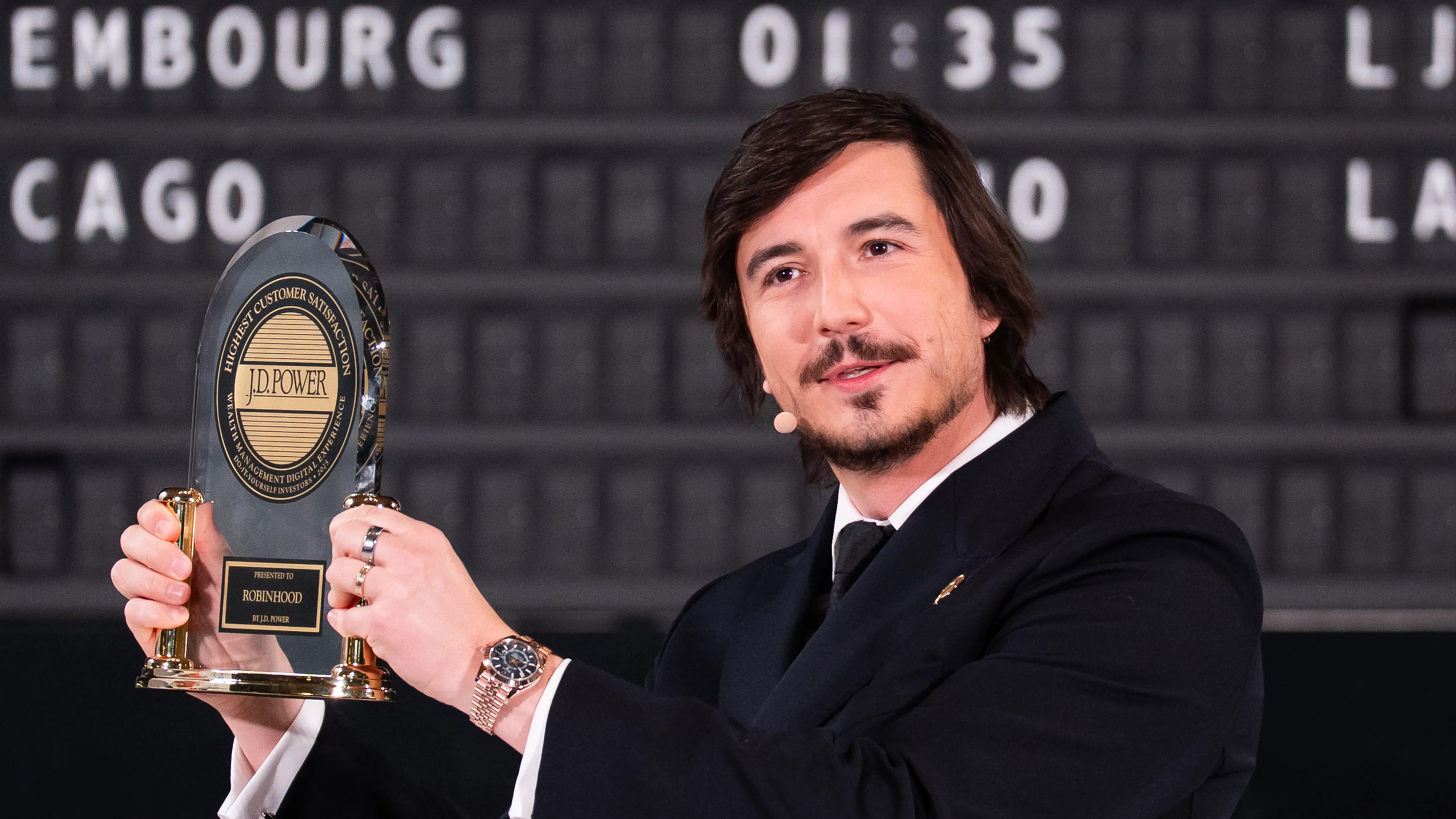
Vlad Tenev is one of the most recognizable names in modern fintech. As the co-founder, chairman, and CEO of Robinhood, Tenev helped transform the way millions of people access financial markets. His journey from a Stanford-trained entrepreneur to a billionaire technology executive has made his personal fortune closely connected to the growth of Robinhood.
In 2026, Tenev remained at the center of Robinhood’s expansion into a broader financial-services platform, with the company moving beyond traditional stock trading into areas such as cryptocurrency, banking, wealth management, prediction markets, and AI-powered financial products.
Vlad Tenev Net Worth in 2026
Vlad Tenev’s estimated net worth is in the multi-billion-dollar range in 2026. Forbes has reported different valuations throughout the period because much of his wealth is tied to his ownership of Robinhood stock, whose market value can change significantly.
Forbes reported Tenev’s net worth at $5.8 billion on its 2025 Forbes 400 list and later reported other estimates as Robinhood’s valuation and share price changed. Forbes’ July 2026 profile notes that Tenev owns more than 6% of Robinhood.
This means his net worth should not be viewed as a fixed amount. Changes in Robinhood’s stock price can cause his estimated wealth to rise or fall substantially.
How Vlad Tenev Built His Fortune
Tenev’s wealth primarily comes from his ownership stake in Robinhood.
He co-founded Robinhood in 2013 with fellow Stanford student Baiju Bhatt. The company’s mission was to make investing more accessible by removing traditional trading commissions and creating a simple mobile-first experience.
The business grew rapidly and eventually became one of the most influential fintech companies in the United States.
Robinhood went public on the Nasdaq in 2021 at a valuation of approximately $32 billion. Tenev retained a substantial ownership stake, making the company’s public-market performance a major factor in his personal fortune.

The Rise of Robinhood
Robinhood changed the brokerage industry by popularizing commission-free stock trading for everyday investors.
The platform attracted millions of users with its easy-to-use interface and focus on mobile investing. Its growth accelerated during the pandemic as retail participation in financial markets increased.
However, Robinhood’s rise was not without controversy. The company faced intense scrutiny during the 2021 meme-stock trading frenzy, particularly around trading restrictions and its relationship with market makers.
Despite those challenges, Robinhood continued expanding its business.
Tenev’s Ownership of Robinhood
One of the biggest reasons for Tenev’s enormous fortune is his continuing ownership of Robinhood shares.
According to Forbes’ July 2026 profile, Tenev owns more than 6% of Robinhood.
Because Robinhood is a publicly traded company, the value of that stake changes with the stock price. As a result, Tenev’s estimated net worth can move by hundreds of millions of dollars without him necessarily receiving or spending that money.
This is an important distinction when discussing billionaire wealth: much of Tenev’s fortune exists as equity rather than cash.
Robinhood’s Expansion Beyond Stock Trading
Robinhood has increasingly positioned itself as a broader financial-services company rather than simply a stock-trading app.
The company now offers products and services across areas including cryptocurrency, retirement, banking, wealth management, prediction markets, and other financial products. Robinhood has also been investing in AI-related features and tokenized assets.
This expansion could be important for Tenev’s future wealth because the success of these businesses could influence Robinhood’s long-term valuation.
Tenev and AI
AI has become another important part of Tenev’s entrepreneurial interests.
In addition to his role at Robinhood, Tenev is the executive chairman and co-founder of Harmonic, an AI company focused on developing advanced reasoning technology. Robinhood has also been incorporating AI-powered capabilities into its financial products.
This gives Tenev exposure to two major technology trends: fintech and artificial intelligence.
From Stanford to Billionaire Entrepreneur
Tenev’s path to wealth began long before Robinhood became a publicly traded company.
He studied at Stanford University, where he met Baiju Bhatt. The two later became business partners and created Robinhood in 2013.
Their original idea was relatively simple: make financial markets easier and cheaper for ordinary consumers to access.
That idea eventually developed into one of America’s best-known fintech companies.
What Makes Vlad Tenev’s Fortune Different?
Unlike entrepreneurs whose wealth comes primarily from selling a company, Tenev’s fortune remains heavily linked to his ownership in a publicly traded business.
That creates both opportunity and risk.
When Robinhood’s stock performs strongly, the value of Tenev’s holdings can increase dramatically. Conversely, a major decline in the stock could reduce his estimated net worth just as quickly.
This is why billionaire net-worth estimates should be treated as snapshots rather than permanent figures.
Vlad Tenev’s Business Strategy
Tenev’s strategy has evolved considerably since Robinhood’s early days.
The company’s original focus was commission-free stock trading. Today, its ambitions are much broader. Robinhood is attempting to build a financial ecosystem that can serve customers across investing, crypto, banking, wealth management, and other financial activities.
If that strategy succeeds, Robinhood could become less dependent on any single source of revenue.
The Future of Vlad Tenev’s Fortune
Tenev’s future wealth will largely depend on Robinhood’s continued growth and the performance of its stock.
The company has increasingly emphasized cryptocurrency, tokenized assets, AI, and additional financial services. Forbes reported that Robinhood generated $4.5 billion in revenue in 2025 and had expanded into multiple business lines.
For Tenev, continued growth could translate into substantial increases in the value of his existing stake.
At the same time, the volatile nature of financial markets means his estimated net worth can change quickly.
Final Thoughts
Vlad Tenev‘s story demonstrates how a technology startup can create enormous personal wealth when it successfully reshapes an established industry.
By co-founding Robinhood in 2013, Tenev helped popularize commission-free retail investing and built a substantial ownership position in a publicly traded fintech company. Today, his fortune is measured in billions and remains closely tied to Robinhood’s market value.
As Robinhood expands into AI, cryptocurrency, banking, wealth management, and other financial services, Tenev’s role—and the value of his stake—will remain closely watched.
For anyone following the world’s technology billionaires, Vlad Tenev represents an especially interesting case: an entrepreneur whose fortune was built not simply by creating a company, but by changing how an entire generation interacts with financial markets.




Post Comment