Virtual Data Centre: A Complete Guide to Modern Cloud Infrastructure
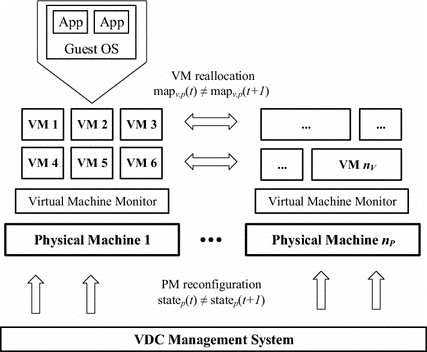
A Virtual Data Centre provides businesses with a flexible way to manage computing resources without depending entirely on traditional physical infrastructure. By using virtualization and cloud technologies, organizations can create virtual versions of servers, storage, networks, and other IT resources.
As businesses increasingly move toward cloud-based operations, virtual data centres are becoming an important part of modern IT infrastructure.
What Is a Virtual Data Centre?
A Virtual Data Centre is a software-based environment that provides many of the capabilities of a traditional data centre through virtualized resources.
Instead of dedicating physical hardware to every application or workload, virtualization allows multiple virtual machines and services to operate on shared physical infrastructure.
This approach can help organizations use computing resources more efficiently while making infrastructure easier to manage and scale.

How Does a Virtual Data Centre Work?
Virtual data centres rely on technologies such as virtualization, cloud computing, software-defined networking, and virtual storage.
A virtualization layer separates computing resources from physical hardware. This allows administrators to create and manage virtual servers, networks, and storage according to business requirements.
For example, a company can increase computing resources for an application without necessarily purchasing a new physical server.
Key Components of a Virtual Data Centre
Virtual Servers
Virtual servers allow multiple workloads to operate on the same physical hardware. Each virtual machine can have its own operating system and allocated resources.
Virtual Storage
Virtual storage combines physical storage resources into flexible pools. Businesses can allocate storage based on application and workload requirements.
Virtual Networking
Software-defined networking helps organizations create and manage virtual networks. Network resources can be configured through software rather than relying entirely on physical networking equipment.
Management Software
Centralized management tools allow IT teams to monitor resources, configure virtual machines, and manage workloads from a single environment.
Benefits of Virtual Data Centres
1. Scalability
Businesses can adjust virtual resources as demand changes. This flexibility can be useful for companies experiencing seasonal workloads or rapid growth.
2. Cost Efficiency
Because multiple workloads can share physical infrastructure, organizations may reduce the need for dedicated hardware and associated maintenance.
3. Flexibility
Virtual environments can be configured and modified more quickly than traditional physical infrastructure in many situations.
4. Improved Resource Utilization
Virtualization can help organizations make better use of available computing capacity by distributing workloads across shared resources.
5. Disaster Recovery
Virtual machines and cloud-based infrastructure can support backup and recovery strategies. Organizations can replicate workloads and restore services when infrastructure problems occur.
Virtual Data Centre vs Traditional Data Centre
Traditional data centres generally depend heavily on physical servers, networking equipment, and storage systems. A Virtual Data Centre uses virtualization to abstract many of these resources.
This does not mean physical hardware disappears. Instead, virtualization creates a software layer that allows physical infrastructure to be used more flexibly.
Challenges to Consider
Virtual data centres also introduce challenges. Organizations need appropriate security controls, reliable connectivity, effective monitoring, and skilled IT personnel.
Resource management can become complex as the number of virtual machines and services increases. Businesses should also consider data protection, compliance requirements, backup strategies, and vendor dependency when designing their infrastructure.
The Future of Virtual Data Centres
The development of cloud computing, automation, software-defined infrastructure, and AI-powered IT management is likely to continue influencing virtual data centre technology.
Businesses are increasingly looking for infrastructure that can scale quickly and support distributed applications. Virtualization can provide an important foundation for these modern IT environments.
Conclusion
A Virtual Data Centre offers a flexible approach to modern infrastructure by combining virtualization, networking, storage, and computing resources in a software-managed environment. It can support scalability, resource efficiency, flexibility, and disaster recovery while reducing reliance on dedicated physical infrastructure.
For organizations planning their future IT strategy, understanding virtual data centre technology can help them make more informed infrastructure decisions.



Post Comment