RADIUS MFA: A Complete Guide to Stronger Network Security
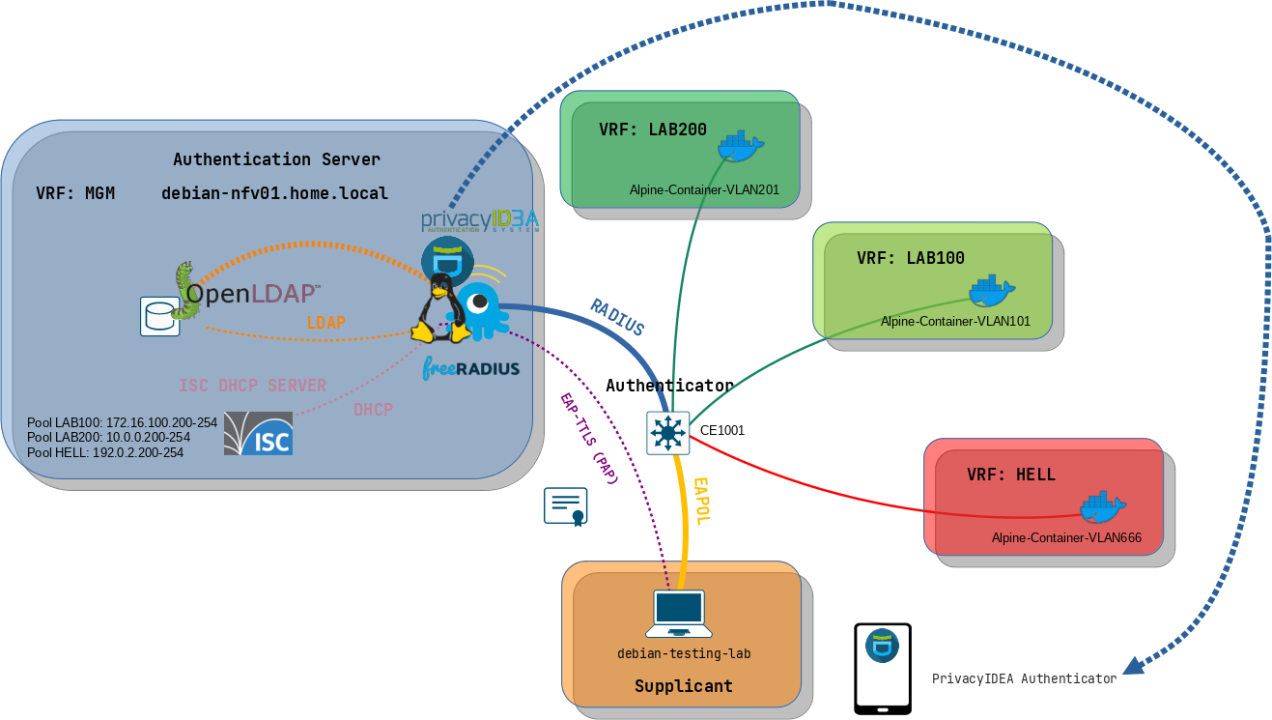
As organizations continue to embrace remote work, cloud applications, and hybrid IT environments, protecting network access has become more important than ever. Traditional username-and-password authentication is no longer enough to defend against phishing, credential theft, and brute-force attacks. This is where RADIUS MFA (Multi-Factor Authentication) plays a critical role.
By combining the trusted RADIUS authentication protocol with an additional verification factor, organizations can significantly strengthen network security while maintaining a seamless user experience. This guide explains what RADIUS MFA is, how it works, its benefits, common use cases, implementation steps, and best practices.
What Is RADIUS MFA?
RADIUS MFA is the integration of Remote Authentication Dial-In User Service (RADIUS) with Multi-Factor Authentication (MFA) to provide an extra layer of security during user authentication.
Instead of relying solely on a password, users must verify their identity using an additional factor, such as:
- A one-time password (OTP)
- A mobile authenticator app
- Push notifications
- Hardware security keys
- Biometric verification (fingerprint or facial recognition)
This layered approach makes unauthorized access much more difficult, even if a password has been compromised.
How RADIUS MFA Works
The authentication process typically follows these steps:
- A user attempts to connect to a VPN, Wi-Fi network, firewall, or another network resource.
- The network device forwards the authentication request to the RADIUS server.
- The RADIUS server validates the user’s username and password.
- The MFA service requests an additional verification factor.
- The user successfully verifies their identity.
- The RADIUS server grants or denies access based on the authentication result.
This process ensures that access is granted only after both primary and secondary authentication factors are successfully verified.
Why Organizations Need RADIUS MFA
Passwords alone are vulnerable to numerous attacks, including:
- Phishing
- Credential stuffing
- Password reuse
- Brute-force attacks
- Keylogging malware
RADIUS MFA reduces these risks by requiring a second authentication factor that attackers are unlikely to possess.

Key Benefits of RADIUS MFA
Enhanced Security
The likelihood of unauthorized access through stolen credentials is significantly reduced when MFA is added.
Protection Against Phishing
Even if an attacker steals a user’s password, they cannot access the network without the second authentication factor.
Secure Remote Access
Employees connecting through VPNs can securely access corporate resources from anywhere.
Regulatory Compliance
Many security standards encourage or require multi-factor authentication, including:
- PCI DSS
- HIPAA
- GDPR
- ISO 27001
- NIST Cybersecurity Framework
Improved User Trust
Employees and customers gain confidence knowing that sensitive systems are protected by stronger authentication.
Centralized Authentication
RADIUS allows organizations to manage authentication policies from a central server across multiple network devices.
Common Use Cases
RADIUS MFA is commonly deployed for:
- Virtual Private Networks (VPNs)
- Enterprise Wi-Fi (802.1X)
- Firewalls
- Remote Desktop Services
- Network Access Control (NAC)
- Data center access
- Cloud applications
- Administrative logins
Components of a RADIUS MFA Solution
A typical deployment includes:
- RADIUS Server – Processes authentication requests.
- Identity Provider (IdP) – Stores user credentials.
- MFA Provider – Verifies the second authentication factor.
- Network Access Device (NAD) – VPN, firewall, switch, or wireless controller requesting authentication.
- Authentication Methods – Push notifications, OTPs, biometrics, or hardware tokens.
Best Practices for Implementing RADIUS MFA
To maximize security:
- Enforce MFA for all remote access users.
- Use phishing-resistant authentication methods where possible.
- Apply role-based access controls.
- Regularly update RADIUS servers and MFA software.
- Monitor authentication logs for suspicious activity.
- Train users to recognize phishing attempts.
- Implement strong password policies alongside MFA.
- Test authentication workflows before deployment.
Challenges to Consider
While RADIUS MFA (Multi-Factor Authentication)offers significant security benefits, organizations should also consider:
- Initial deployment complexity
- User training requirements
- Integration with legacy systems
- Backup authentication methods for lost devices
- Ongoing maintenance and monitoring
Proper planning and testing can help minimize these challenges.
Industries That Benefit from RADIUS MFA
Many sectors rely on RADIUS MFA is used by numerous industries to protect sensitive data, such as:
ADIUS MFA to secure sensitive data, including:
- Healthcare
- Financial services
- Government
- Education
- Manufacturing
- Retail
- Technology companies
- Managed Service Providers (MSPs)
Future of RADIUS MFA
As cyber threats continue to evolve, RADIUS MFA is becoming an essential component of Zero Trust security strategies. Organizations are increasingly adopting passwordless authentication, biometric verification, and hardware security keys to provide stronger protection while improving the user experience.
Emerging technologies such as adaptive authentication and AI-driven risk analysis are also enhancing MFA by evaluating contextual information like user location, device health, and login behavior before granting access.
Conclusion
RADIUS MFA is one of the most effective ways to strengthen network security and protect organizational resources from unauthorized access. By combining centralized RADIUS authentication with multi-factor verification, businesses can defend against credential-based attacks, secure remote access, meet compliance requirements, and improve overall cybersecurity.




Post Comment