Omnichannel Marketing Platforms: How AI Is Transforming Customer Engagement
Introduction
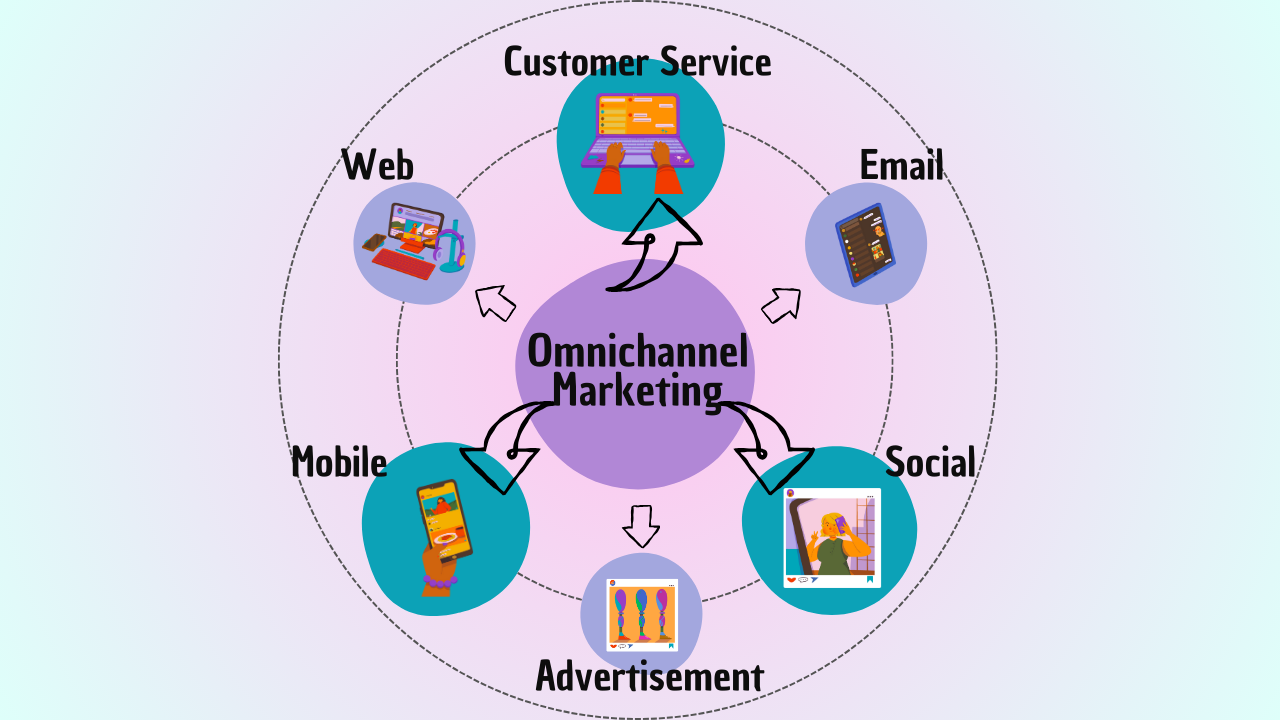
Omnichannel Marketing Platforms in today’s digital world, customers interact with businesses through multiple channels, including websites, mobile apps, social media, email, and physical stores. Delivering a consistent experience across these channels has become an important part of modern marketing.
An omnichannel marketing platform helps businesses coordinate customer interactions, manage campaigns, and create more connected customer journeys. With the growth of artificial intelligence (AI), these platforms are becoming more effective at personalizing communications, automating tasks, and understanding customer behavior.
What Is an Omnichannel Marketing Platform?
An omnichannel marketing platform is a technology solution that helps businesses manage and coordinate marketing activities across multiple customer touchpoints.
Unlike a multichannel approach that may operate each channel separately, omnichannel marketing focuses on connecting channels so customers can experience a more consistent journey.
For example, a customer might discover a product through social media, visit the company’s website, receive a personalized email, and complete a purchase in a mobile app. An effective omnichannel strategy helps connect these interactions where data access and customer permissions allow.
Common platform features include customer data integration, campaign management, marketing automation, audience segmentation, analytics, and personalized messaging.
Why Omnichannel Marketing Matters
Customers expect convenient, relevant, and consistent interactions with brands. When marketing channels operate independently, customers may receive repeated messages or encounter disconnected experiences.
An omnichannel marketing platform can help businesses address these problems by coordinating campaigns and using customer information more effectively.
Key benefits include:
- Consistent communication: Maintain a recognizable brand experience across channels.
- Personalization: Deliver relevant messages based on customer preferences and permitted data.
- Improved engagement: Reach customers through channels that fit their needs.
- Better measurement: Analyze campaign performance across multiple touchpoints.
- Operational efficiency: Reduce repetitive manual work through centralized campaign management.
The actual benefits depend on the quality of the data, the platform’s capabilities, and how well the business implements its marketing strategy.
The Role of AI in Omnichannel Marketing Platforms
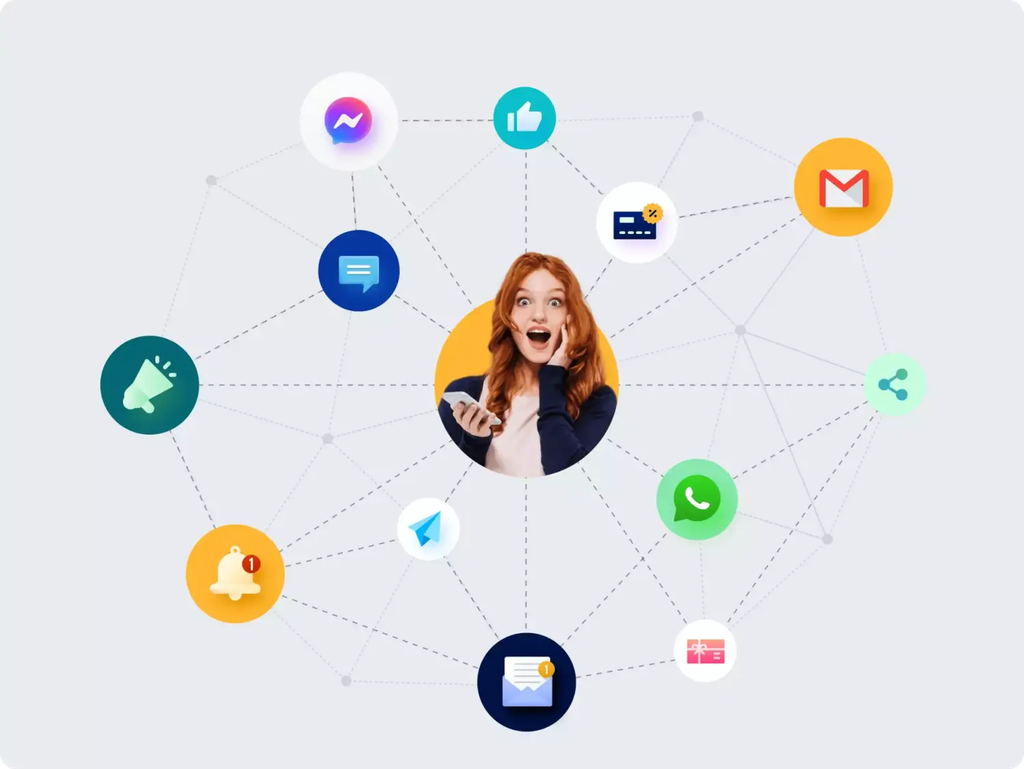
Artificial intelligence is expanding what omnichannel marketing platforms can do. Instead of relying entirely on predefined rules, AI-powered tools can analyze customer interactions, identify patterns, and help marketers make informed decisions.
1. Personalized Customer Experiences
AI can analyze permitted customer data, such as browsing activity and previous purchases, to help recommend relevant products or content.
Personalization can make communications more useful, but businesses should avoid using sensitive information inappropriately or making customers feel that their privacy has been compromised.
2. Intelligent Marketing Automation
AI can support automated workflows that respond to customer actions. For example, a platform might send a follow-up message after a customer abandons a shopping cart, provided the customer has given the required consent.
By eliminating repeated procedures, these workflows can assist marketers in responding more quickly.
3. AI-Powered Customer Support
Conversational AI and AI agents can answer common questions, guide customers through product information, and help resolve straightforward service requests.
When integrated with an omnichannel platform, these tools can help maintain continuity between automated support and human representatives.
Complex, sensitive, or unresolved issues should have a clear path to human assistance.
4. Predictive Analytics
In order to spot trends and project expected outcomes, AI models can examine past campaign performance and consumer behaviour.
These insights can be used by marketers to plan campaigns, assess possible possibilities, and enhance audience segmentation. Predictions should be tested against actual results rather than treated as guaranteed outcomes.
Essential Features of an Omnichannel Marketing Platform
Businesses evaluating an omnichannel marketing platform should consider several core capabilities.
Customer data integration: The ability to bring together relevant customer information from different systems.
Campaign orchestration: Tools for coordinating communications across email, websites, mobile apps, social media, and other supported channels.
Marketing automation: Workflow tools for managing follow-ups, customer journeys, and campaign triggers.
Analytics and reporting: Clear performance measurements across channels, campaigns, and customer touchpoints.
AI capabilities: Features such as content assistance, audience insights, predictive analytics, and conversational support.
Privacy and consent management: Controls that help businesses respect customer preferences and comply with applicable privacy requirements.
Integration support: APIs and connectors that allow the platform to work with existing customer relationship management systems, e-commerce platforms, and other business applications.
Not every organization needs every feature. The right platform depends on business goals, technical requirements, budget, and the complexity of its customer journey.
How to Choose the Right Platform
Selecting an omnichannel marketing platform requires more than comparing feature lists.
Define Your Marketing Goals
Determine whether your main objective is improving customer retention, increasing conversions, coordinating campaigns, or reducing manual work.
Clear goals make it easier to compare platforms based on practical business outcomes.
Assess Your Existing Technology
Review the systems you already use, including customer relationship management software, analytics tools, e-commerce applications, and communication platforms.
Choose a solution that can integrate with these systems without creating unnecessary complexity.
Evaluate Data Quality
Customer data should be accurate, appropriately collected, and consistently structured. Analytics and personalisation may be less successful if the data is of poor quality.
Before introducing advanced automation, identify gaps in customer records and establish processes for maintaining reliable information.
Review Scalability and Cost
Consider subscription fees, implementation expenses, integration work, training, and ongoing maintenance.
A platform should support your current needs while allowing room for future growth.
Test Reporting and Usability
Marketers should be able to build campaigns, understand results, and make adjustments without unnecessary technical barriers.
Where possible, test a platform through a trial or limited pilot before committing to a full deployment.
Challenges of Omnichannel Marketing
Although omnichannel platforms offer significant potential, implementation can be challenging.
Data silos: Customer information may be scattered across disconnected systems.
Integration complexity: Older applications may require additional development before they can exchange data effectively.
Inconsistent customer records: Different systems may contain conflicting or outdated information.
Privacy concerns: Collecting and combining customer data requires appropriate consent, access controls, and data protection practices.
Measurement difficulties: Customers may interact with several channels before making a purchase, making it difficult to attribute results to a single campaign.
Over-automation: Excessive messaging can frustrate customers, even when campaigns are technically personalized.
Businesses can address these challenges by establishing clear data governance, setting communication limits, testing integrations, and regularly reviewing customer feedback.
The Future of Omnichannel Marketing Platforms
The future of omnichannel marketing is likely to involve greater use of AI agents, conversational interfaces, predictive analytics, and automated campaign coordination.
AI agents may help customers discover products, compare options, answer questions, and navigate services across digital channels. Marketing teams may also use AI to analyze performance and suggest improvements.
However, effective omnichannel marketing will continue to depend on reliable customer data, clear business rules, privacy protections, and human oversight.
Companies that combine useful automation with transparent communication and customer choice will be better positioned to build lasting relationships.
Conclusion
Omnichannel marketing platforms help businesses connect customer interactions across digital and physical touchpoints. By coordinating campaigns, integrating data, and supporting consistent communication, these platforms can improve customer engagement and marketing efficiency.
AI is extending these capabilities through personalization, intelligent automation, conversational support, and predictive analytics. Nevertheless, successful implementation requires careful platform selection, reliable data, effective integration, and responsible handling of customer information.
Businesses that focus on genuine customer needs rather than automation alone can create more connected and valuable customer experiences.



Post Comment