Modern Steel Construction Methods for Stronger Buildings
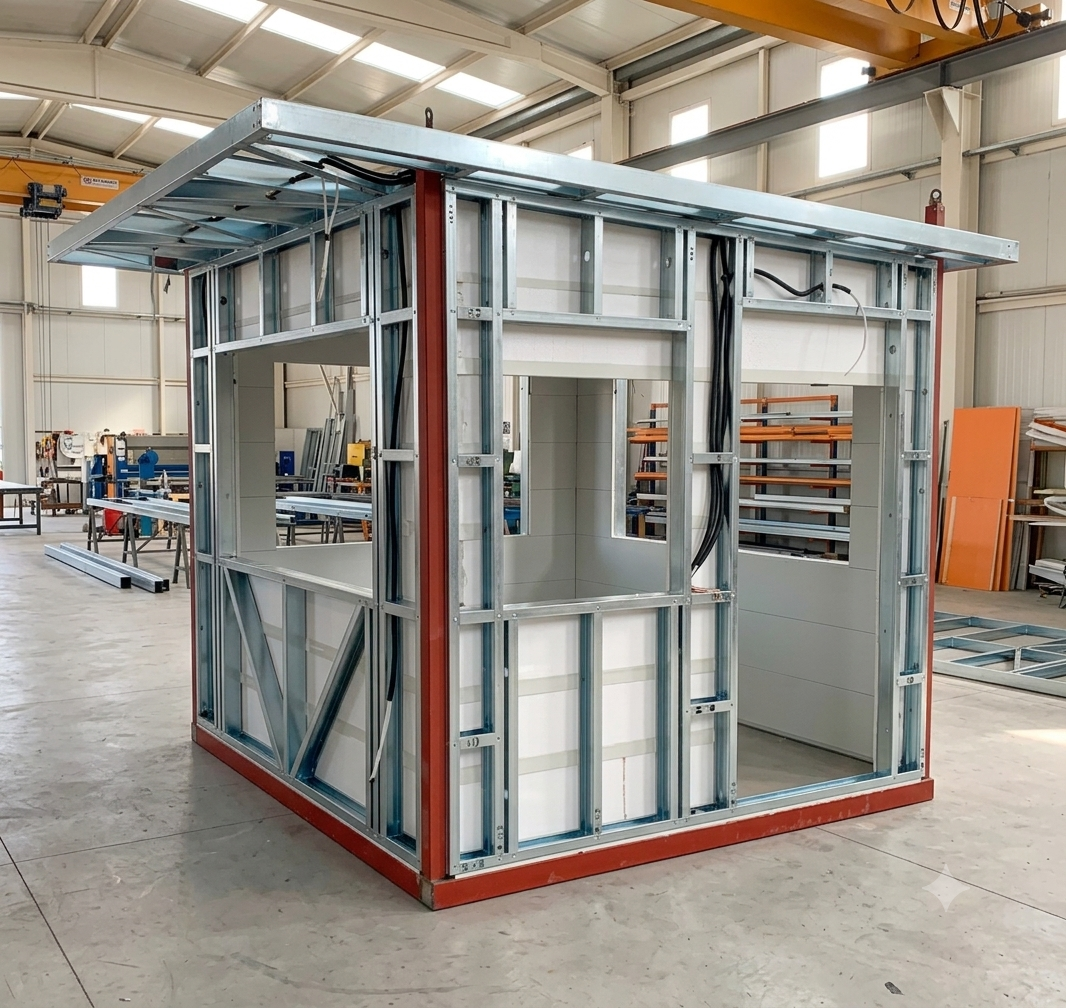
Modern steel construction has transformed the way buildings are designed, engineered, and built. With advancements in technology, materials, and construction processes, steel structures can now be developed faster, stronger, and more efficiently than traditional building methods. From skyscrapers and industrial facilities to bridges and residential projects, modern steel construction provides durable and flexible solutions for a wide range of applications.
What Is Modern Steel Construction?
Modern steel construction refers to the use of advanced steel materials, digital design tools, prefabrication techniques, and innovative engineering methods to create strong and efficient structures. Unlike traditional construction approaches, modern steel systems focus on speed, precision, sustainability, and improved performance.
Steel is widely used because of its:
- High strength-to-weight ratio
- Long lifespan
- Design flexibility
- Resistance to environmental conditions
- Recyclability

Key Modern Steel Construction Methods
1. Prefabricated Steel Structures
Prefabrication involves manufacturing steel components in controlled factory environments before transporting them to the construction site.
Benefits include:
- Faster installation
- Reduced material waste
- Better quality control
- Lower labor requirements
- Improved construction accuracy
Prefabricated steel components allow builders to complete projects in shorter timeframes while maintaining high structural standards.
2. Modular Steel Construction
Modular construction uses pre-built steel sections or modules that are assembled on-site. This method is becoming popular for commercial buildings, offices, schools, and residential projects.
Advantages:
- Quick project completion
- Minimal site disruption
- Consistent quality
- Easy expansion and modification
3. Advanced Steel Framing Systems
Modern steel framing systems use lightweight yet strong steel members to create durable building structures.
Applications include:
- High-rise buildings
- Warehouses
- Industrial facilities
- Sports arenas
- Commercial complexes
While reducing overall building weight, these systems provide excellent structural stability.
4. Building Information Modeling (BIM)
BIM technology allows engineers, architects, and contractors to create detailed digital models of steel structures before construction begins.
BIM helps with:
- Design accuracy
- Clash detection
- Cost estimation
- Project planning
- Improved collaboration
This reduces errors and improves construction efficiency.
5. Automated Steel Fabrication
Modern steel fabrication uses advanced machinery such as:
- CNC cutting systems
- Robotic welding equipment
- Automated assembly tools
Automation improves precision, reduces production time, and ensures consistent quality.
6. High-Strength Steel Materials
New generations of steel alloys provide greater strength while using less material. High-strength steel enables:
- Taller buildings
- Longer bridges
- Lighter structures
- Improved load capacity
These materials help engineers create safer and more efficient designs.
Advantages of Modern Steel Construction
Faster Construction Speed
Steel components can be manufactured and assembled quickly, reducing project timelines compared with traditional construction methods.
Increased Strength and Durability
Steel structures can withstand:
- Heavy loads
- Extreme weather conditions
- Earthquakes
- Fire when properly protected
- Long-term wear
Cost Efficiency
Even though initial steel costs may vary, faster construction, less labor, and less maintenance can improve a project’s final economics.
Sustainable Construction
Steel is one of the building materials that can be recycled the most. Modern steel buildings support environmentally friendly practices by:
- Reducing construction waste
- Allowing material recycling
- Improving energy efficiency
- Supporting green building designs
Design Flexibility
Steel allows architects to create innovative structures with:
- Large open spaces
- Unique shapes
- Wide spans
- Flexible layouts
Applications of Modern Steel Construction
Commercial Buildings
Steel is widely used for:
- Office towers
- Shopping centers
- Hotels
- Business complexes
Industrial Structures
Factories, warehouses, and manufacturing facilities benefit from steel’s strength and adaptability.
Infrastructure Projects
Steel plays a major role in:
- Bridges
- Transportation hubs
- Stadiums
- Airports
Residential Construction
Modern steel framing is increasingly used for:
- Prefabricated homes
- Apartment buildings
- Sustainable housing projects
Future Trends in Steel Construction
The future of steel construction is being shaped by emerging technologies such as:
- Artificial intelligence in design and planning
- 3D printing of construction components
- Smart monitoring systems
- Low-carbon steel production
- Digital construction management
These innovations will continue to improve building speed, safety, and environmental performance.
Conclusion
Modern steel construction methods are changing the future of the building industry by delivering faster, stronger, and more sustainable structures. Through prefabrication, automation, advanced materials, and digital technologies, steel construction provides efficient solutions for today’s complex architectural and engineering challenges. As technology continues to advance, steel will remain a key material in creating the next generation of durable and innovative buildings.




Post Comment