Marketing Campaign Management: Strategies for Better Results
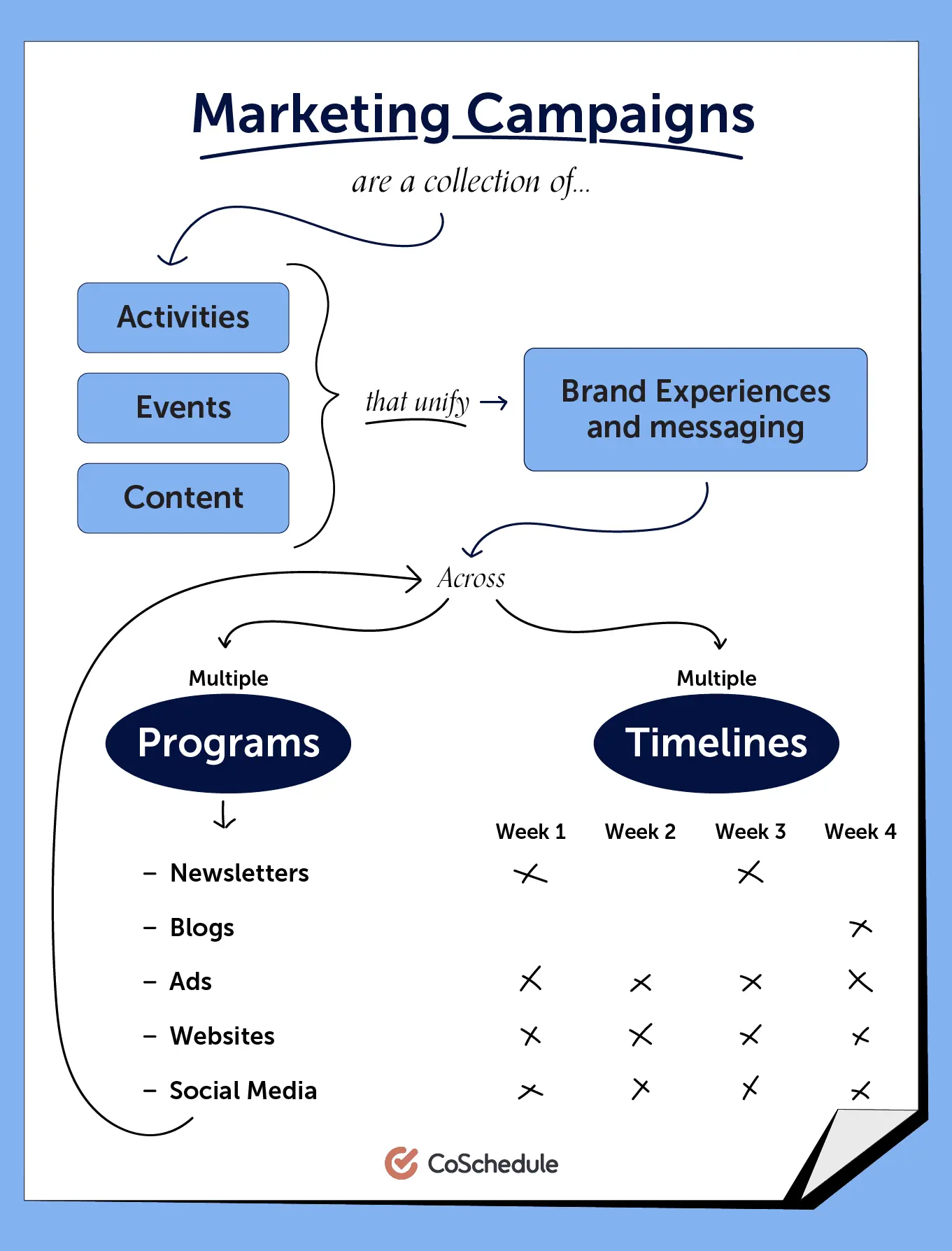
Marketing campaigns are becoming more complex as businesses use multiple digital channels to reach their audiences. From social media and email to search engines and paid advertising, marketers need an organized approach to plan, execute, and measure every campaign. This is where Marketing Campaign Management becomes essential.
Effective marketing campaign management helps businesses coordinate their marketing activities, understand customer behavior, monitor performance, and make better decisions based on data. With the right strategy and tools, companies can improve campaign performance while making better use of their marketing budget.
What Is Marketing Campaign Management?
Marketing Campaign Management is the process of planning, organizing, executing, monitoring, and analyzing a marketing campaign from beginning to end.
It includes several important activities, such as:
- Defining campaign goals
- Identifying the target audience
- Creating marketing content
- Selecting appropriate channels
- Setting budgets and timelines
- Launching campaigns
- Tracking campaign performance
- Analyzing results
- Optimizing future campaigns
Instead of managing individual marketing activities separately, businesses can use campaign management to create a coordinated marketing strategy.
Why Is Marketing Campaign Management Important?
A well-managed campaign can help businesses reach the right audience with the right message at the right time. Without proper management, marketing teams may waste resources, miss important opportunities, or struggle to understand what is actually working.
Marketing campaign management provides a structured way to manage these activities and improve overall marketing efficiency.
1. Better Campaign Organization
Marketing teams often manage several campaigns at the same time. A campaign management process keeps tasks, deadlines, content, budgets, and responsibilities organized.
This makes it easier for teams to maintain consistency and avoid missed deadlines.
2. Improved Audience Targeting
Successful campaigns depend heavily on reaching the right audience. Businesses can use customer data, demographics, interests, purchasing behavior, and engagement patterns to create more relevant campaigns.
Better targeting can improve engagement and reduce unnecessary advertising costs.
3. Consistent Brand Messaging
Customers may interact with a business through websites, social media, email, search engines, and advertisements.
Marketing campaign management helps businesses maintain consistent messaging across these different channels. A consistent brand experience can make a company easier for customers to recognize and trust.
4. More Efficient Budget Management
Marketing budgets need to be allocated carefully. Campaign management allows marketers to monitor spending and compare costs with campaign results.
If one channel is producing stronger results than another, marketers can adjust their budget accordingly.
Key Strategies for Better Marketing Campaign Management
Businesses can improve campaign performance by following a structured strategy.
Define Clear Campaign Goals
Every campaign should begin with a specific objective. The goal might be to generate leads, increase sales, improve website traffic, build brand awareness, or increase customer engagement.
Clear goals make it easier to determine which metrics should be monitored.
Understand Your Target Audience
Before creating campaign content, marketers should understand who they are trying to reach.
Research can include:
- Customer demographics
- Buying behavior
- Online interests
- Pain points
- Search behavior
- Previous interactions with the brand
This information helps businesses create campaigns that are more relevant to potential customers.
Choose the Right Marketing Channels
Not every campaign needs to use every available marketing channel. Businesses should select channels based on their audience and campaign objectives.
Common channels include:
- Search engine marketing
- Social media marketing
- Email marketing
- Content marketing
- Display advertising
- Influencer marketing
- Website and landing pages
Using the right combination of channels can improve campaign reach and efficiency.
Create Valuable Content
Content is an important part of modern marketing campaigns. Whether it is a blog post, video, advertisement, email, or social media post, the content should provide value to the target audience.
Strong content should address customer needs rather than simply promoting a product or service.
Track Campaign Performance
Launching a campaign is only the beginning. Marketers should regularly monitor important performance indicators.
Depending on the campaign, useful metrics can include:
- Click-through rate
- Conversion rate
- Cost per lead
- Customer acquisition cost
- Website traffic
- Engagement rate
- Return on investment
Tracking these metrics helps marketers identify strengths and weaknesses.
The Role of Marketing Campaign Management Software
Managing campaigns manually can become difficult as businesses grow. Marketing campaign management software can help teams organize campaigns, automate repetitive activities, track performance, and manage customer interactions.
Depending on the platform, businesses may be able to manage email campaigns, social media activities, advertising, customer data, analytics, and reporting from a centralized system.
Automation can also reduce repetitive tasks and allow marketing professionals to focus more on strategy and creative work.
How AI Can Improve Marketing Campaign Management
Artificial intelligence is also changing how businesses manage marketing campaigns. AI-powered tools can analyze large amounts of customer and campaign data much faster than traditional manual processes.
AI can help marketers with:
- Audience segmentation
- Customer behavior analysis
- Content recommendations
- Campaign personalization
- Predictive analytics
- Automated reporting
- Ad optimization
- Customer journey analysis
For example, an AI system can analyze previous campaign performance and identify which audience segments are more likely to engage with a particular offer.
However, AI should support marketing decisions rather than completely replace human judgment. Creative strategy, brand positioning, and customer understanding still require human input.
Common Marketing Campaign Management Mistakes
Even well-planned campaigns can underperform when businesses make avoidable mistakes.
Lack of Clear Objectives
A campaign without a measurable goal can be difficult to evaluate. Marketers should establish clear objectives before launching.
Targeting Everyone
Trying to reach everyone can make campaign messaging too general. Defining specific audience segments often creates more relevant marketing.
Ignoring Data
Campaign data provides valuable information about customer behavior and performance. Ignoring this information can result in repeated mistakes.
Focusing Only on Traffic
High website traffic does not always mean a successful campaign.Conversions, leads, sales, and customer value should all be taken into account by businesses.
Failing to Optimize
Marketing campaigns should not remain unchanged when performance data shows that improvements are needed. Testing different messages, audiences, creatives, and channels can help produce better results.
Best Practices for Successful Campaign Management
A strong Marketing Campaign Management strategy should combine planning, execution, measurement, and continuous improvement.
Businesses should:
- Set measurable goals.
- Define clear audience segments.
- Create consistent messaging.
- Select channels based on audience behavior.
- Establish realistic budgets.
- Monitor campaign metrics regularly.
- Test different strategies.
- Use automation where appropriate.
- Analyze campaign results.
- Apply lessons to future campaigns.
Final Thoughts
Marketing Campaign Management gives businesses a structured way to plan, execute, monitor, and improve their marketing activities. Instead of relying on disconnected campaigns, companies can coordinate their channels, understand their audiences, control spending, and make decisions based on measurable results.
As digital marketing continues to evolve, businesses that combine strong campaign strategies with analytics, automation, and AI-powered tools can create more efficient and personalized marketing experiences. The key is not simply launching more campaigns, but continuously learning from performance data and improving each campaign over time.




Post Comment