GBS Strategy: How Generative AI Is Transforming Enterprise Services
Introduction
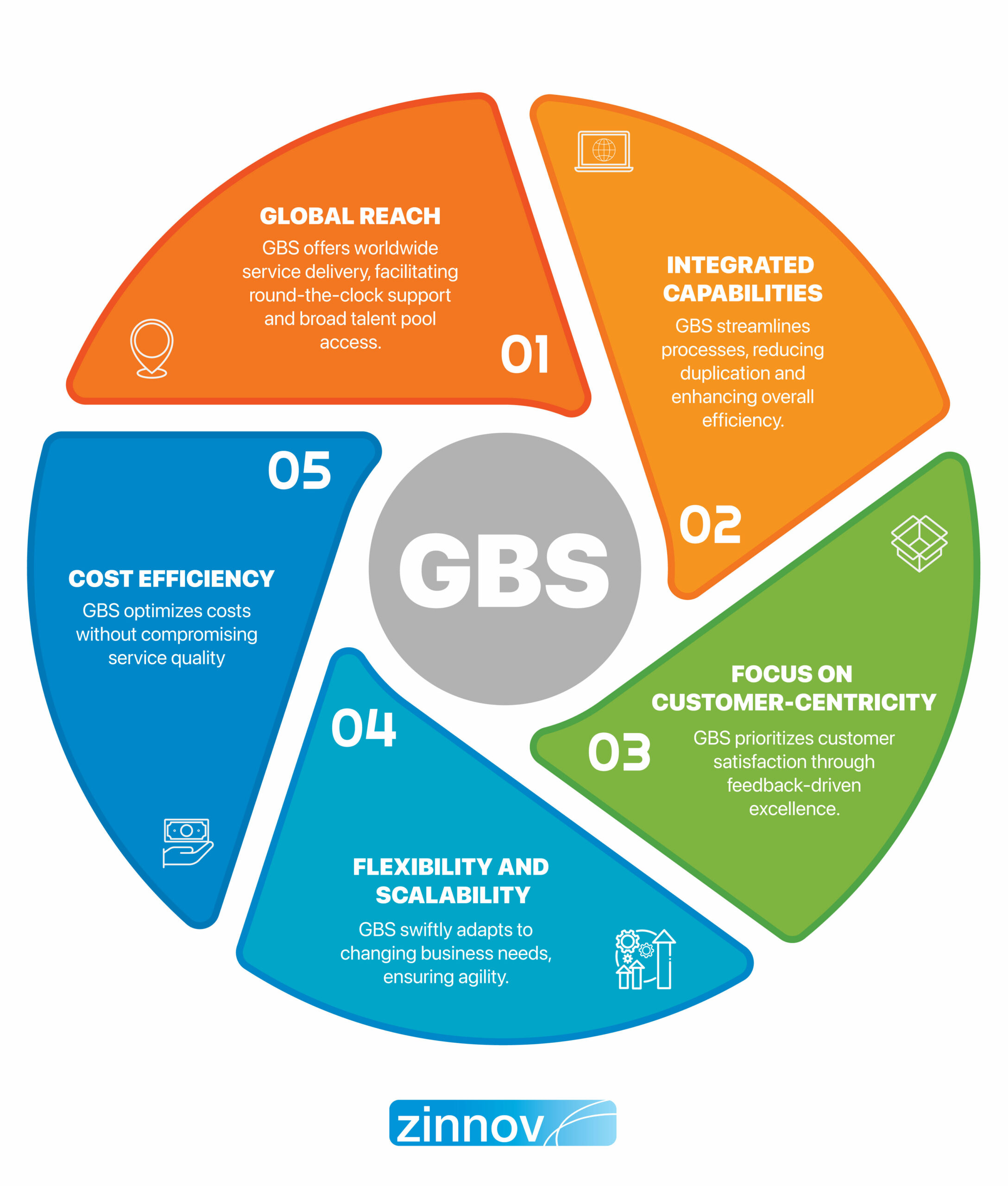
Global Business Services (GBS) organizations are changing how businesses manage everyday operations. Traditionally, GBS focused on reducing costs, standardizing processes, and improving efficiency. Today, companies expect more. They want faster service, better decision-making, improved employee experiences, and greater business value. A strong GBS strategy can help organizations achieve these goals by integrating Generative AI into their enterprise services.
Generative AI allows businesses to process information, answer questions, summarize documents, and support employees with routine tasks. When combined with automation and analytics, it can help GBS teams deliver more intelligent and flexible services.
What Is a GBS Strategy?
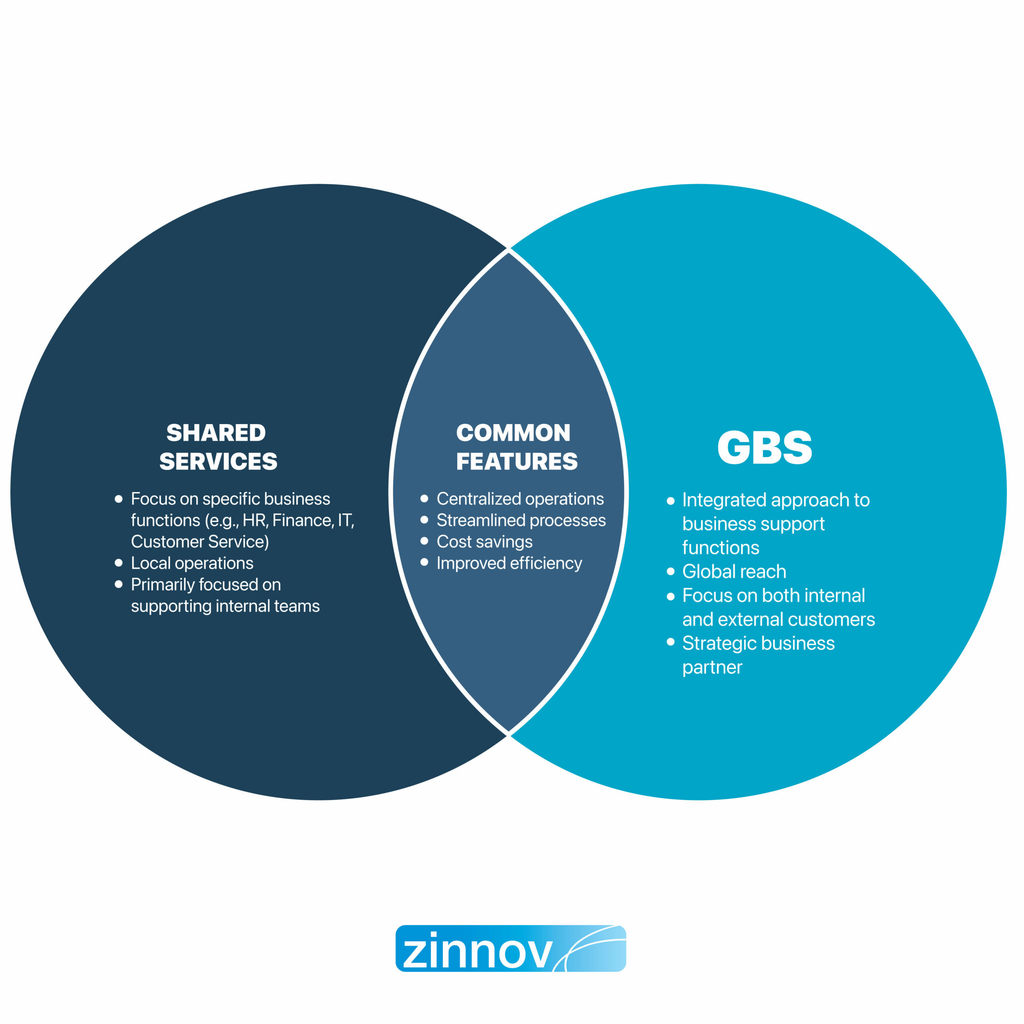
A GBS strategy defines how an organization manages shared services across departments such as finance, human resources, procurement, and information technology. It establishes the processes, technologies, skills, and performance goals needed to support wider business objectives.
An effective strategy goes beyond cost reduction. It focuses on improving service quality, simplifying workflows, and helping departments work together more effectively. As AI becomes more common, companies must decide which tasks can be automated, where employees need AI assistance, and which decisions require human judgment.
How Generative AI Is Transforming GBS
Generative AI in GBS can improve how employees access information and complete everyday work. For example, AI-powered assistants can respond to common HR questions, summarize financial reports, and help IT teams find solutions to technical issues.
In finance, AI can support report preparation and document review. In human resources, it can simplify onboarding and provide access to company policies. Procurement teams can use AI to summarize supplier documents and locate purchasing guidelines. IT service desks can use it to analyze support requests and retrieve relevant technical information.
Employees can devote more time to complicated challenges, analysis, and corporate collaboration by using these tools to cut down on repetitive tasks.
Key Benefits of an AI-Powered GBS Strategy
One major benefit is improved productivity. By automating routine activities and simplifying information searches, AI can help teams complete work more efficiently.
Another advantage is faster service delivery. Employees may find answers to common questions without waiting for a support representative. AI can also help organizations manage growing service demands while maintaining consistent processes.
Generative AI can improve knowledge sharing by making company information easier to search and understand. It may also support better decision-making by helping teams organize information and identify useful insights.
However, these benefits depend on implementation quality. Organizations need reliable data, well-defined workflows, and clear performance measures to understand whether AI is delivering real value.
Challenges and Implementation Best Practices
Adopting Generative AI comes with challenges. Outdated information can lead to inaccurate responses, while weak security controls may expose confidential business data. Employees may also need training to understand how to use AI tools responsibly.
Businesses should begin by identifying processes that involve repetitive tasks, large volumes of information, or frequent employee questions. They should assess data quality, establish privacy controls, and test selected use cases before expanding them across the organization.
Human oversight remains important, particularly when decisions affect employees, finances, or compliance. Companies should also measure results through indicators such as service quality, resolution time, operating costs, and employee satisfaction.
The Future of Global Business Services
Generative AI is helping GBS evolve from a transaction-focused function into a more strategic business partner. In the future, AI agents may coordinate approved tasks across finance, HR, procurement, and IT systems, while employees handle exceptions and important decisions.
Organizations that combine AI with strong governance, skilled teams, and standardized processes can build more responsive and scalable enterprise services.
Conclusion
A forward-looking GBS strategy can help businesses use Generative AI to improve productivity, service quality, and knowledge access. Success requires more than adopting new technology. Companies must align AI with business objectives, prepare employees for changing workflows, protect sensitive information, and measure outcomes consistently. With the right approach, GBS can become a valuable driver of enterprise transformation and long-term business performance.



Post Comment