Data Obfuscation: Everything You Need to Know About Data Security

Introduction
Which AI Voice Generator Is the Best Value for Money Protecting sensitive data has become a crucial aspect of cybersecurity as businesses create and retain more sensitive data than ever before. Personal information, financial records, healthcare data, and confidential business documents are frequent targets for cybercriminals. While encryption and access controls provide strong protection, data obfuscation offers an additional layer of security by disguising sensitive information without compromising its usability. In 2026, organisation across industries use data obfuscation to strengthen security, support compliance, and safely share data for development, testing, and analytics.
What Is Data Obfuscation?
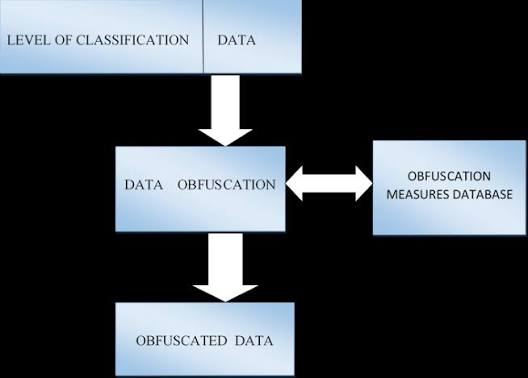
Data obfuscation is the process of modifying, masking, or transforming sensitive information so that it cannot be easily understood or misused by unauthorized users. The data maintains its structure and format, allowing it to remain useful for testing, software development, reporting, and analysis while protecting the original information.
Unlike encryption, which requires a key to decrypt the data, many obfuscation techniques permanently disguise or replace sensitive values to prevent exposure.
Why Is Data Obfuscation Important?
Data obfuscation helps organisations:
- Protect confidential customer information
- Prevent unauthorised data access
- Reduce the risk of data breaches
- Support privacy regulations and compliance
- Enable secure software development and testing
- Safely share information with third-party partners
- Protect intellectual property
- Improve customer trust
- Reduce insider security risks
- Strengthen overall cybersecurity
Common Data Obfuscation Techniques
Data Masking
Sensitive values are replaced with fictional or partially hidden information while maintaining the original data format.
Example:
- Original: John Smith
- Masked: J*** S*****
Data Tokenisation
Sensitive information is replaced with randomly generated tokens that have no meaningful value outside the secure system.
Data Anonymisation
Personally identifiable information (PII) is permanently removed or altered so individuals cannot be identified.
Data Shuffling
Data values are rearranged within a dataset while preserving realistic data patterns.
Data Redaction
Confidential sections of documents or records are permanently removed or hidden before sharing.
Common Applications
Software Development
Developers use obfuscated datasets to build and test applications without exposing real customer information.
Financial Services
Banks and financial institutions protect account numbers, payment details, and transaction records while analysing financial data.
Healthcare
Hospitals and healthcare providers secure patient records used for research, analytics, and application testing.
Cloud Computing
Businesses obfuscate sensitive information before migrating data to cloud environments or sharing it with cloud service providers.
Business Analytics
Companies analyse customer behaviour and operational trends using protected datasets that preserve privacy.
Benefits of Data Obfuscation
Implementing data obfuscation provides numerous advantages:
- Stronger data privacy
- Improved cybersecurity
- Safer software testing
- Reduced compliance risks
- Secure data sharing
- Lower impact of data breaches
- Protection against insider threats
- Improved regulatory compliance
- Better customer confidence
- Greater operational flexibility
Challenges
Although data obfuscation offers significant protection, organisations should consider:
- Maintaining data accuracy after obfuscation
- Selecting the right obfuscation method
- Balancing usability with security
- Integrating protection into existing systems
- Managing large and complex datasets
- Keeping pace with evolving privacy regulations
Combining data obfuscation with other security controls helps overcome these challenges.
Best Practices
To maximise the effectiveness of data obfuscation:
- Identify all sensitive data before applying protection.
- Choose the appropriate obfuscation technique for each data type.
- Restrict access to production data.
- Combine obfuscation with encryption, authentication, and monitoring.
- Regularly review security policies and compliance requirements.
- Test obfuscated datasets to ensure they remain useful for business operations.
Future Trends
Data obfuscation is expected to evolve through:
- AI-powered automated data masking
- Real-time data protection
- Privacy-preserving analytics
- Enhanced cloud security integration
- Stronger compliance automation
- Intelligent data classification
- Improved protection for AI training datasets
- Greater adoption of zero-trust security models
These innovations will help organisations protect sensitive information while supporting digital transformation and advanced analytics.
Conclusion
Data obfuscation is an essential component of modern data security. By masking or transforming sensitive information, organisations can reduce the risk of unauthorised access, support regulatory compliance, and safely use data for testing, analytics, and collaboration. When combined with encryption, access controls, and robust cybersecurity practices, data obfuscation provides a powerful defence against data breaches while enabling businesses to protect valuable information and maintain customer trust in an increasingly data-driven world.




Post Comment