AI Identity Verification: Securing Digital Identities in the Age of AI

Introduction
AI Identity Verification is changing how businesses verify identities, detect fraud, and protect digital accounts. From online banking to remote onboarding, AI-powered identity verification systems help organizations confirm that users are who they claim to be.
However, rapid advancements in AI have also created new security challenges. Deepfakes, synthetic identities, automated attacks, and increasingly sophisticated impersonation techniques can make it harder to distinguish genuine users from malicious actors. As a result, AI identity verification is becoming an important part of modern cybersecurity.
What Is AI Identity Verification?
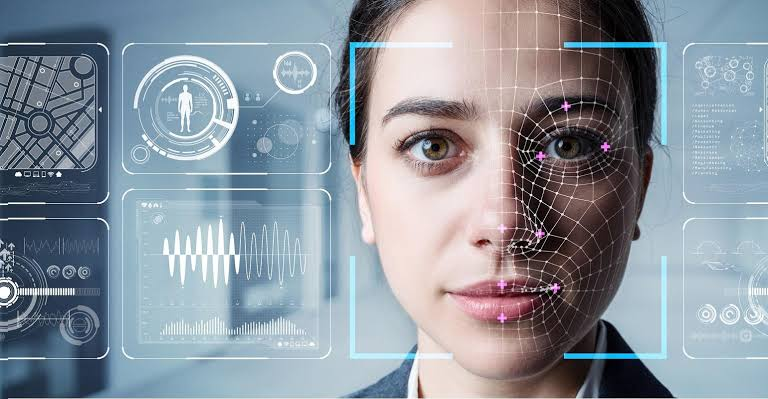
AI identity verification uses artificial intelligence and machine learning to assess whether a person’s identity is genuine. These systems can analyze identity documents, facial images, biometric information, and behavioral signals to identify potential fraud.
Unlike traditional verification methods that rely heavily on manual checks, AI-powered solutions can process information quickly and detect patterns that might otherwise go unnoticed.
Common applications include:
- Verifying identities during online account registration
- Confirming customer identities in financial services
- Detecting suspicious login attempts
- Identifying manipulated identity documents
- Supporting secure remote customer onboarding
Although AI can improve efficiency, verification systems must be designed carefully to protect personal information and reduce errors.
Why AI Identity Verification Matters
As more services move online, businesses need reliable ways to verify customers without requiring every interaction to take place in person.
AI identity verification offers several potential benefits.
1. Improved Fraud Detection
AI systems can analyze patterns associated with fraudulent accounts, altered documents, and suspicious transactions. They can flag unusual activity for further investigation, helping security teams respond more efficiently.
2. Faster Customer Onboarding
Automated document checks and identity assessments can reduce the time required to verify customers. This can improve the onboarding experience while allowing organizations to maintain appropriate security controls.
3. Enhanced Account Protection
AI can help identify unusual login patterns and suspicious authentication attempts. When combined with multifactor authentication and other safeguards, these capabilities can strengthen account security.
4. Greater Scalability
Businesses that serve large numbers of customers may use automated verification to process requests more consistently. However, systems still require oversight, testing, and appropriate procedures for handling uncertain results.
The Growing Threat of Rogue AI Models
Rogue or improperly controlled AI systems can create risks when they behave unpredictably, operate outside intended safeguards, or are deliberately misused.
In the context of identity verification, malicious actors can use AI tools to generate realistic fake identities, manipulate facial images, produce convincing voice imitations, and automate attempts to bypass security controls.
These techniques may undermine verification systems that rely on a single signal, such as a static photograph or an identity document.
Organizations should therefore avoid treating AI detection as a complete security solution. Instead, they should combine multiple verification methods, monitor emerging threats, and maintain clear procedures for responding to suspicious activity.
How Deepfakes Challenge Identity Verification
Deepfakes are synthetic or manipulated images, videos, and audio recordings generated or modified using AI techniques.
They can be used to impersonate real people, deceive customer support teams, or attempt to bypass remote identity checks.
To address these threats, organizations can consider several protective measures:
- Liveness detection: Assess whether a biometric sample comes from a live person rather than a static image or prerecorded media.
- Document authentication: Check identity documents for signs of alteration and verify relevant information using trusted sources where permitted.
- Multifactor authentication: Require additional evidence beyond a password or facial image.
- Risk-based verification: Apply stronger checks when a transaction or login presents elevated risk.
- Human review: Escalate ambiguous or high-risk cases to trained reviewers.
No detection method is perfect. Effective protection requires regular testing against evolving attack techniques.
Best Practices for Secure AI Identity Verification
Organizations can strengthen their identity verification processes by following a layered security approach.
Use Multiple Verification Signals
Avoid relying entirely on facial recognition, document scanning, or any single biometric signal. Combining independent checks can make impersonation more difficult.
Protect Personal Data
Identity verification often involves sensitive personal information. Businesses should limit data collection, apply encryption, restrict access, and establish appropriate retention and deletion policies.
Test for Bias and Accuracy
AI models may perform differently across demographic groups or under varying lighting, device, and image-quality conditions. Regular evaluation can help identify performance gaps and reduce unfair outcomes.
Monitor for Emerging Threats
Security teams should review fraud patterns, investigate suspicious activity, and update verification controls as new AI-generated attacks appear.
Maintain Human Oversight
Automated systems can produce false positives and false negatives. Provide appropriate review and appeal processes, especially when verification decisions could prevent people from accessing important services.
Follow Applicable Regulations
Organizations should understand the privacy, biometric data, consumer protection, and identity verification requirements that apply to their industry and operating locations.
The Future of AI Identity Verification
AI identity verification is likely to become more sophisticated as fraud techniques and defensive technologies continue to evolve.
Future systems may combine document analysis, biometric checks, device signals, cryptographic credentials, and behavioral risk assessments. Digital identity standards and privacy-preserving technologies may also help people prove specific attributes without unnecessarily sharing personal information.
At the same time, businesses will need to address challenges involving data privacy, transparency, model reliability, and accountability.
The most effective systems will not simply depend on more powerful AI. They will combine reliable technology with strong governance, clear security policies, and appropriate human oversight.
Conclusion
AI identity verification is becoming an essential component of digital security as businesses face increasingly sophisticated fraud and impersonation attempts.
AI can improve verification speed and help detect suspicious behavior, but it can also be misused to create deepfakes, synthetic identities, and automated attacks. Organizations must therefore adopt layered defenses that combine reliable verification methods, privacy protections, ongoing monitoring, and human review.
As AI capabilities advance, securing digital identities will require continuous improvement rather than reliance on any single tool. Businesses that prioritize security, fairness, and responsible data handling will be better positioned to protect users and build trust in digital services.



Post Comment