AI Hacking: How Artificial Intelligence Is Changing Cyber Attacks

Artificial intelligence is transforming many areas of technology, but it is also changing the cybersecurity threat landscape. Cybercriminals can use AI to make existing attacks faster, more scalable, and more difficult to detect. As a result, AI hacking has become an important concern for businesses, security professionals, and organizations worldwide.
What Is AI Hacking?
AI hacking refers to the use of artificial intelligence in cyberattacks or malicious activities. Rather than creating entirely new types of attacks, criminals can use AI to improve techniques that already work.
AI can help attackers automate repetitive tasks, analyze information, create convincing messages, and identify potential targets more efficiently. This can reduce the time and effort required to carry out certain attacks.
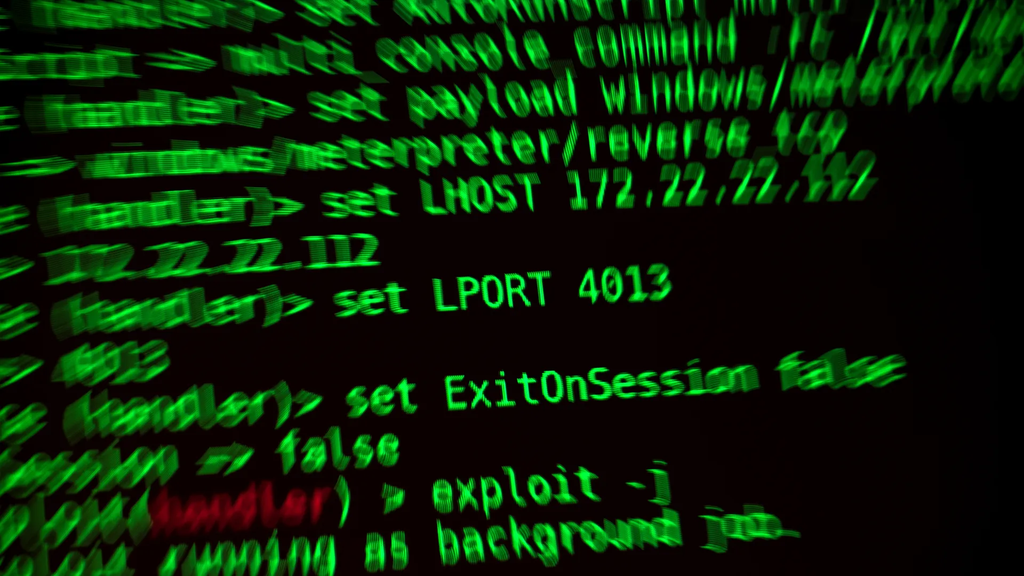
How AI Is Changing Cyber Attacks
One major change is automation. AI-powered systems can process large amounts of information quickly, allowing attackers to identify opportunities at a much greater scale.
Additionally, AI can increase the credibility of social engineering and phishing attempts. Generated messages can be tailored to specific individuals or organizations, making suspicious communications harder for users to recognize.
Another concern is the speed of attacks. AI can help automate parts of the attack process, allowing cybercriminals to adapt their campaigns more quickly. This puts additional pressure on security teams that must monitor systems continuously.
The Impact on Businesses
Businesses face increased risks when attackers use AI to improve existing cyber threats. Organizations may experience more sophisticated phishing attempts, automated reconnaissance, credential attacks, and other security challenges.
Small and medium-sized businesses can be particularly vulnerable if they have limited security resources. Strong authentication, employee awareness, network monitoring, and regular security updates remain important defenses.
How Organizations Can Respond
AI can also be used by security professionals to combat risks enabled by AI. AI-powered security tools can help detect unusual behavior, analyze large volumes of security data, and identify suspicious patterns.
However, organizations should combine automated systems with human expertise. Security professionals are still needed to investigate alerts, evaluate risks, and make important decisions.
Conclusion
AI hacking is changing cybersecurity by making existing attack techniques more automated, scalable, and convincing. Organizations should recognize these evolving risks and strengthen their security strategies accordingly. By combining AI-powered defense tools with strong security practices and human oversight, businesses can become better prepared for the next generation of cyber threats.



Post Comment