AI Command: 7 Ways Artificial Intelligence Is Transforming Warfare
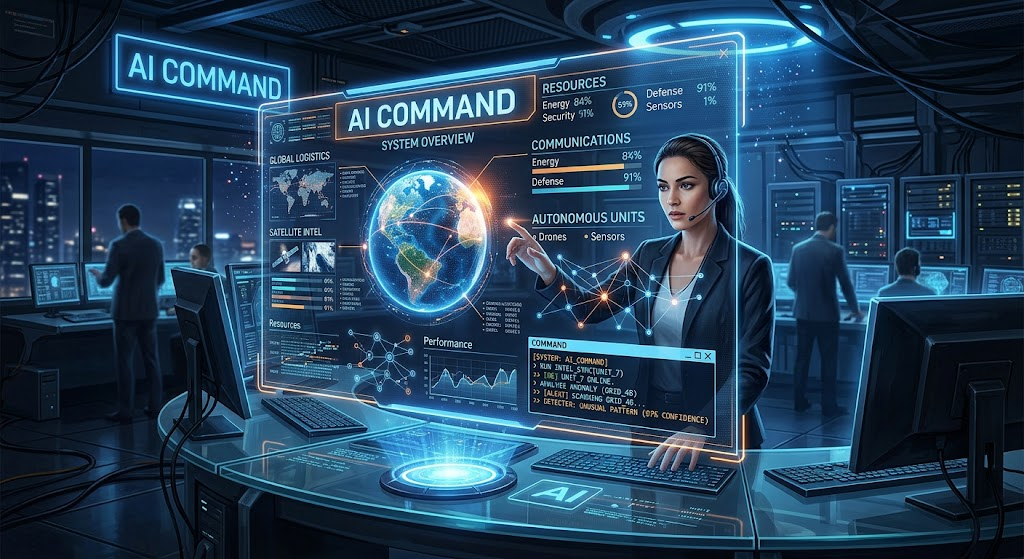
Artificial intelligence is changing how modern militaries analyze information, plan operations, and respond to rapidly changing situations. AI Command refers to the use of artificial intelligence in command, control, intelligence, and decision-support systems.
As military technology develops, AI can process large amounts of information faster than traditional systems. This creates new opportunities for situational awareness while also raising important questions about human oversight, reliability, cybersecurity, and accountability.
1. Faster Decision Support
AI systems can analyze large datasets from multiple sources and identify patterns quickly. Commanders can use this information to support decisions and understand changing operational conditions.
2. Improved Situational Awareness
Modern military operations can generate enormous amounts of data. AI can help organize information from sensors, communications, imagery, and other sources, giving personnel a more structured view of the situation.
3. Advanced Intelligence Analysis
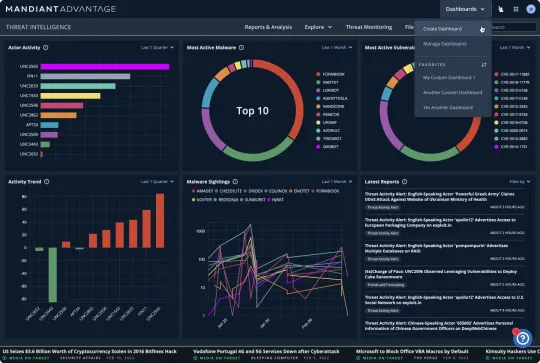
AI-powered analytical tools can assist with identifying trends and unusual activity across large datasets. This can help intelligence teams prioritize information that requires human review.
4. Smarter Resource Management
Military organizations manage complex resources, including personnel, equipment, transportation, and supplies. AI can support planning by analyzing requirements and identifying potential logistical problems.
5. Enhanced Cyber Defense
AI is increasingly used to detect unusual network activity and identify potential cybersecurity threats. In military environments, these capabilities can support defensive monitoring and help security teams respond to suspicious behavior.
6. Greater Automation
AI can automate certain repetitive analytical and administrative tasks. However, sensitive military decisions require appropriate human oversight because automated systems can make errors or produce unreliable recommendations.
7. Changing the Future of Military Strategy
The growing use of AI Command systems could influence how military organizations approach planning, intelligence, logistics, and decision-making. At the same time, governments and defense organizations face challenges involving testing, transparency, cybersecurity, accountability, and human control.
Conclusion
AI Command is becoming an important part of modern military technology. Its ability to process information, support analysis, improve awareness, and automate selected tasks can change how military organizations operate. However, effective implementation requires careful testing, strong cybersecurity, human oversight, and clear rules for responsible use.
As AI technology continues to evolve, the balance between automated capabilities and human decision-making will remain an important issue in the future of warfare.



Post Comment