Advanced Software Construction Improves Control Management
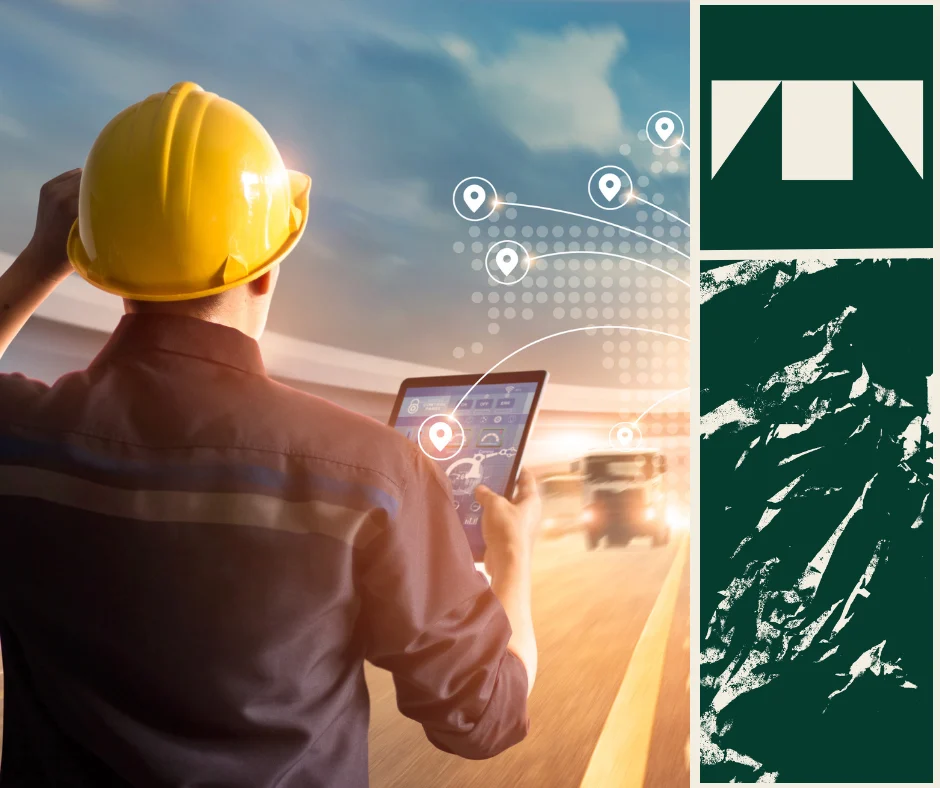
The construction industry has always faced challenges related to budgeting, scheduling, resource management, and project coordination. Conventional approaches to controlling construction costs are losing their efficacy due to growing project complexity and rising material costs. Advanced software Construction is changing the way construction companies plan, monitor, and control costs while improving overall project management efficiency.
Construction professionals can make better decisions, reduce financial risks, and deliver projects more successfully by utilizing digital tools, data analytics, automation, and real-time reporting.
The Growing Need for Advanced Software in Construction
Construction projects involve multiple teams, suppliers, contractors, and stakeholders working together. Managing these elements manually can lead to delays, inaccurate estimates, and budget overruns.
Advanced software solutions help address these challenges by providing:
- Real-time project tracking
- Accurate cost estimation
- Automated reporting
- Better communication between teams
- Improved resource allocation
- Enhanced financial visibility
These capabilities allow construction companies to maintain better control over project performance.

How Advanced Software Improves Construction Cost Control
1. Accurate Budget Planning
One of the biggest advantages of advanced software is improved cost estimation. Digital platforms can analyze historical project data, material prices, labor costs, and other factors to create more accurate budgets.
Better planning helps companies avoid unexpected expenses and allocate resources more effectively.
2. Real-Time Cost Monitoring
Construction managers can track expenses as projects progress instead of waiting for end-of-project reports. Real-time monitoring makes it easier to identify cost issues early and take corrective action.
3. Reduced Financial Risks
Unexpected changes in construction projects can quickly increase costs. Advanced software helps identify potential risks through data analysis and forecasting tools, allowing teams to prepare solutions before problems become serious.
4. Improved Resource Management
Managing labor, equipment, and materials efficiently is essential for controlling construction costs. Advanced software provides insights into resource usage, helping companies reduce waste and improve productivity.
The Role of Advanced Software in Project Management
Beyond cost control, advanced software is transforming the entire construction project management process.
Better Collaboration
Construction projects require constant communication between architects, engineers, contractors, and clients. Digital platforms create a centralized environment where teams can share updates, documents, and progress reports.
Enhanced Scheduling
Project delays can increase costs significantly. Advanced software Construction helps managers create realistic schedules, monitor deadlines, and adjust plans when challenges arise.
Data-Driven Decision Making
Modern construction software uses analytics to provide valuable insights. Managers can evaluate project performance, identify trends, and make informed decisions based on accurate information.
Key Technologies Behind Advanced Construction Software
Several technologies are contributing to the transformation of construction management:
Artificial Intelligence (AI)
AI helps analyze large amounts of project data, predict potential issues, and improve cost forecasting.
Building Information Modeling (BIM)
BIM allows teams to create detailed digital representations of buildings, improving planning, design accuracy, and collaboration.
Cloud-Based Platforms
Cloud technology enables teams to access project information from anywhere, improving flexibility and communication.
Automation Tools
Automation reduces manual tasks such as reporting, documentation, and data entry, allowing teams to focus on higher-value activities.
Benefits for Construction Companies
Implementing advanced software can provide several long-term benefits, including:
- Lower operational costs
- Improved project accuracy
- Faster decision-making
- Increased productivity
- Better client satisfaction
- More successful project delivery
Companies that adopt digital solutions can gain a competitive advantage in an increasingly technology-driven industry.
The Future of Construction Management
As construction projects become more complex, the demand for advanced software solutions will continue to grow. Future systems are expected to offer even greater automation, predictive analytics, and integration with emerging technologies.
The construction industry is moving toward a smarter and more connected future where digital tools play a central role in controlling costs and improving project outcomes.
Conclusion
Advanced software is transforming construction cost control and project management by providing greater accuracy, efficiency, and visibility. From budget planning and resource management to scheduling and risk reduction, digital solutions are helping construction companies overcome traditional challenges.
As technology continues to evolve, advanced software will remain a key factor in building more efficient, cost-effective, and successful construction projects.




Post Comment