AI in Alzheimer’s Diagnosis: Smarter Detection and Treatment
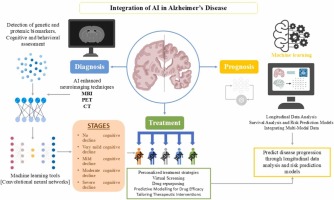
Artificial intelligence (AI) is bringing significant changes to modern healthcare, especially in the diagnosis and management of Alzheimer’s disease. By analyzing complex medical data, AI-powered systems can help doctors detect early signs of AI in Alzheimer’s diagnosis improve diagnostic accuracy, and create more personalized treatment strategies.
Memory, thinking, and behavior are all affected by the progressive neurological condition known as Alzheimer’s disease. Because changes in the brain can begin many years before symptoms become noticeable, early detection plays an important role in improving patient care. Compared to conventional diagnostic methods, AI technology is assisting healthcare professionals in identifying these changes earlier.
What Is AI in Alzheimer’s Diagnosis?
AI in Alzheimer’s diagnosis refers to the use of advanced computer algorithms, machine learning, and deep learning technologies to analyze medical information and identify patterns linked to Alzheimer’s disease.
Unlike traditional methods that often rely on symptoms appearing before diagnosis, AI systems can examine subtle changes in brain structure, biological markers, and patient data to estimate the risk of developing Alzheimer’s at an earlier stage.
AI tools can analyze information from sources such as:
- Brain MRI and PET scans
- Blood biomarkers
- Genetic data
- Cognitive test results
- Electronic health records
- Speech and language patterns
- Lifestyle and medical history
By combining these data sources, AI models provide healthcare professionals with deeper insights into a patient’s neurological health.
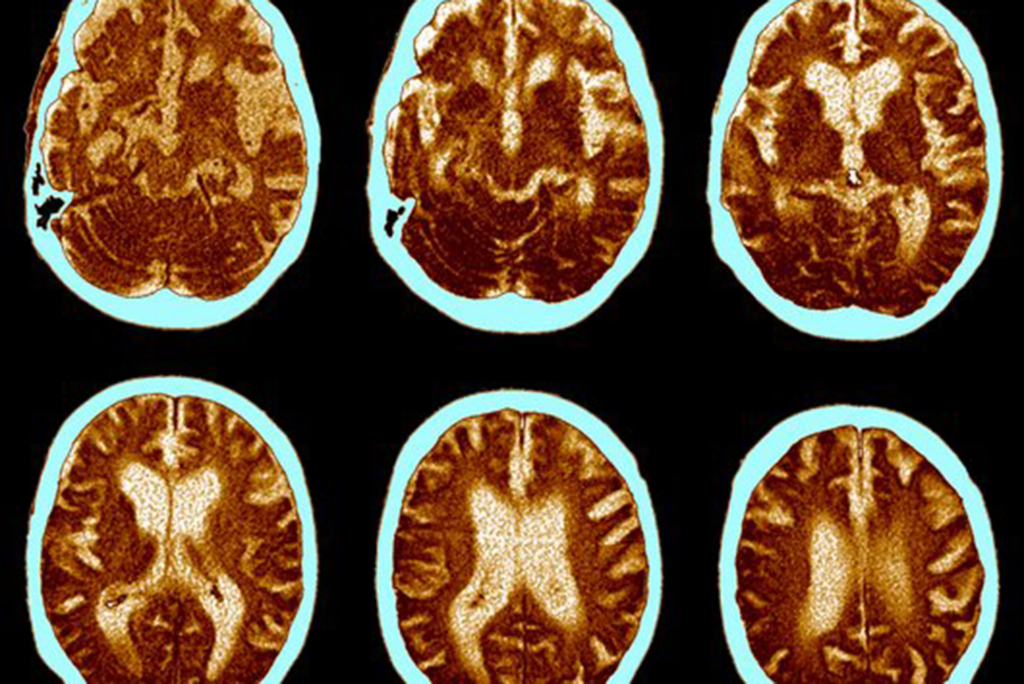
How AI Helps Detect Alzheimer’s Earlier
1. Analyzing Brain Imaging
Medical imaging analysis is one of the most significant applications of AI in the diagnosis of Alzheimer’s disease. AI algorithms can examine MRI and PET scans to identify small changes in brain structure, including patterns of brain shrinkage or abnormal activity.
These changes may appear years before significant memory problems develop, giving doctors an opportunity to monitor patients earlier.
2. Identifying Biomarkers
AI can look at biological markers that can help Alzheimer’s disease progress. Advanced models can evaluate blood tests and other medical data to identify patterns associated with increased disease risk.
This approach may support faster and less invasive screening methods in the future.
3. Predicting Disease Risk
To identify factors associated with the progression of Alzheimer’s disease, machine learning models can examine massive datasets containing thousands of patients. These predictions can help doctors identify individuals who may benefit from closer monitoring or early interventions.
Benefits of AI in Alzheimer’s Diagnosis
Earlier Detection
The ability to identify Alzheimer’s-related changes before major symptoms appear is one of AI’s greatest advantages. Early detection allows patients and healthcare providers more time to discuss treatment options, lifestyle changes, and future care planning.
Improved Diagnostic Accuracy
AI can analyze multiple types of medical information simultaneously, helping reduce errors and supporting more accurate diagnoses. It can also help distinguish Alzheimer’s disease from other forms of dementia that may have similar symptoms.
Personalized Healthcare
Every person’s risk factors and disease progression are different. AI helps doctors develop personalized care plans by analyzing individual medical history, genetics, and diagnostic results.
Faster Medical Analysis
AI systems can process large amounts of healthcare data quickly, helping doctors review scans, test results, and patient information more efficiently.
Advancing Alzheimer’s Research
AI is also helping researchers identify suitable participants for clinical trials and discover potential treatments by analyzing complex biological and medical data.
Challenges of Using AI for Alzheimer’s Diagnosis
Although AI has great potential, several challenges must be addressed before it becomes widely used in everyday healthcare.
Data Privacy
For both training and analysis, AI systems need a lot of medical data. It is essential to safeguard patient privacy and ensure safe data management.
Accuracy and Bias
AI models must be tested across diverse populations to ensure they provide reliable results for different groups of patients.
Clinical Validation
AI tools must undergo extensive research and clinical testing to confirm their safety, effectiveness, and reliability before becoming standard diagnostic tools.
Human Oversight
AI is not intended to replace doctors but rather to assist healthcare professionals. Medical expertise is required for results interpretation and treatment decision-making.
The Future of AI in Alzheimer’s Diagnosis
The future of AI in Alzheimer’s care is expected to include more advanced prediction systems, wearable health monitoring devices, digital cognitive assessments, and improved biomarker analysis.
As AI technology continues to develop, it may help healthcare providers identify Alzheimer’s risk earlier, monitor disease progression more effectively, and provide personalized treatment approaches.
The combination of artificial intelligence and medical expertise has the potential to transform Alzheimer’s care by moving from late-stage diagnosis toward early detection and prevention.
Conclusion
AI in Alzheimer’s diagnosis represents a major advancement in healthcare technology. Through advanced analysis of brain scans, biomarkers, genetic information, and patient data, AI helps improve early detection, diagnostic accuracy, and personalized care. While challenges such as privacy, validation, and responsible implementation remain, artificial intelligence is becoming an important tool in the ongoing effort to better understand, diagnose, and manage Alzheimer’s disease.


Post Comment