Sundar Pichai’s Rise to the Top of the Global Technology Industry
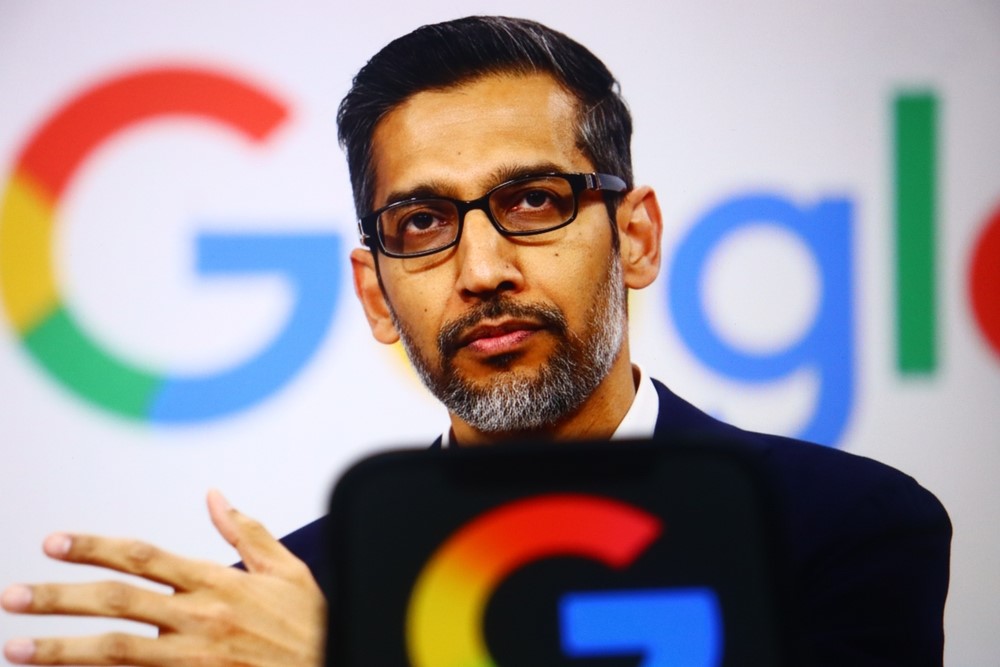
Sundar Pichai has become one of the most recognizable leaders in the global technology industry. From his early education in India to becoming the Chief Executive Officer of Google and Alphabet, his career reflects the importance of technical knowledge, leadership, innovation, and long-term thinking.
Pichai’s journey is particularly notable because he did not begin his career as a traditional corporate executive. Instead, he built his reputation through product development and engineering leadership. His work on products such as Google Chrome, Chrome OS, and Android helped establish him as an important figure within Google before he eventually moved into the company’s top leadership position.
Today, Pichai’s leadership is closely associated with Google’s transition toward artificial intelligence, cloud computing, advanced search technologies, and other emerging areas of technology.
Early Life and Education
Sundar Pichai was born in India and developed an interest in technology and engineering at an early age. His academic journey eventually took him to the Indian Institute of Technology Kharagpur, where he earned a Bachelor of Technology degree.
After completing his studies in India, Pichai moved to the United States for further education. He earned a master’s degree from Stanford University and later completed an MBA at the Wharton School of the University of Pennsylvania.
His combination of engineering education and business training became an important foundation for his future career. It allowed him to understand technology from both a technical and commercial perspective.

Joining Google
Pichai joined Google in 2004. At the time, the company was already becoming one of the most influential businesses on the internet.
Rather than immediately taking a top executive role, Pichai worked on Google’s products and gradually built a reputation for understanding both technology and users. His ability to work across different teams helped him move into increasingly important positions.
One of the most significant projects associated with his rise was Google Chrome.
The Success of Google Chrome
When Google introduced Chrome in 2008, the web browser market was already highly competitive. However, Chrome quickly became an important part of Google’s broader technology ecosystem.
Pichai played a major role in Google’s browser and product strategy. Chrome provided Google with a platform through which it could deliver search, web applications, security improvements, and other services to users.
His involvement with Chrome demonstrated an important part of his leadership style: focusing on products that could have a long-term impact rather than simply pursuing short-term results.
Expanding Leadership Across Google
Pichai’s responsibilities continued to expand as he became involved with several of Google’s major products and platforms.
According to Alphabet’s corporate materials, Pichai led product and engineering work involving major services including Search, Chrome, Maps, Android, Gmail, and Google Workspace. He became Google’s CEO in October 2015.
His rise was therefore based on years of experience managing products that were already central to Google’s global business.
Instead of building his reputation through aggressive public appearances, Pichai became known for a measured and collaborative management approach. This helped him gain the confidence of Google’s senior leadership.
Becoming Google CEO
In 2015, Sundar Pichai became CEO of Google.
The appointment represented a major milestone in his career. Google was entering a new stage of development, with mobile computing, cloud services, artificial intelligence, and changing internet habits becoming increasingly important.
Pichai’s background in product management made him well suited to lead a company whose success depended heavily on technology and product innovation.
His role also required him to balance Google’s established businesses with emerging opportunities.
Becoming CEO of Alphabet
Google underwent a major corporate restructuring in 2015 that created Alphabet as its parent company.
Several years later, Pichai’s responsibilities expanded again. In December 2019, he became CEO of Alphabet in addition to remaining CEO of Google.
This made him responsible for a much broader technology organization.
Alphabet’s structure includes Google’s core businesses as well as other technology-focused operations. Leading the organization requires decisions involving artificial intelligence, advertising, cloud computing, hardware, research, and other technology markets.
Sundar Pichai and Artificial Intelligence
Artificial intelligence has become one of the defining areas of Pichai’s leadership.
Google has invested heavily in machine learning and AI for many years, but the rapid development of generative AI has made the technology even more strategically important.
Under Pichai’s leadership, Google has increasingly positioned AI as a central part of its products and services. AI is being incorporated into areas such as Search, cloud services, productivity tools, mobile technology, and other products.
This transition has also created intense competition between Google and other major technology companies.
The challenge for Pichai is not simply developing AI technology. Google must also determine how AI can be integrated into products used by billions of people while maintaining reliability, security, and responsible development.
Leadership in a Competitive Technology Industry
The global technology industry changes extremely quickly. Companies that dominate one generation of technology can face serious competition in the next.
Pichai’s leadership therefore involves managing both established businesses and emerging technologies.
Google continues to compete across several major areas, including search, digital advertising, cloud computing, smartphones, operating systems, artificial intelligence, and online productivity tools.
His approach has generally emphasized long-term investment and product development. This is particularly important in areas such as AI, where technological breakthroughs can change competitive dynamics very quickly.
Challenges Facing Sundar Pichai
Leading one of the world’s largest technology companies also comes with significant challenges.
Google faces competition from technology companies across multiple markets. At the same time, governments and regulators around the world have increased scrutiny of large technology platforms.
Issues involving competition, privacy, digital advertising, artificial intelligence, online content, and data have become important parts of the technology industry’s future.
Pichai must therefore balance innovation with regulatory responsibilities and public expectations.
Another challenge is maintaining Google’s position in internet search while users increasingly interact with AI-powered systems to find and understand information.
Pichai’s Management Style
One of the most interesting aspects of Sundar Pichai’s career is his management style.
Unlike some technology leaders who are known for highly public personalities, Pichai has generally maintained a relatively calm and analytical public presence.
His background as an engineer and product leader appears to have influenced his approach to decision-making. He has spent much of his career working with teams responsible for complex technology products.
This combination of technical understanding and business leadership has helped him manage Google’s transition through several major technology shifts.
Impact on the Global Technology Industry
Sundar Pichai’s influence extends beyond Google.
As the leader of one of the world’s largest technology companies, decisions made under his leadership can influence how businesses and consumers interact with technology.
Google’s products are used globally for communication, search, navigation, productivity, entertainment, advertising, and education. As a result, the company’s decisions about AI, privacy, security, and digital services can have a broad impact.
His career also represents the growing importance of international talent in Silicon Valley. Pichai’s journey from India to the leadership of Google and Alphabet demonstrates how technical education and product expertise can create opportunities at the highest levels of the technology industry.
Lessons From Sundar Pichai’s Career
There are several lessons that can be taken from Pichai’s rise.
1. Technical Knowledge Matters
Pichai’s engineering background gave him a strong understanding of technology. This knowledge became valuable as he moved into product and executive leadership.
2. Career Growth Takes Time
His journey to the top of Google did not happen overnight. He spent years developing expertise and taking on increasingly important responsibilities.
3. Product Thinking Can Create Leadership Opportunities
Pichai built much of his reputation by working on products used by millions and eventually billions of people. Understanding users and technology helped him progress into senior management.
4. Adaptability Is Essential
Technology changes constantly. Pichai has had to lead Google through the growth of mobile computing, cloud technology, artificial intelligence, and other major shifts.
5. Long-Term Thinking Is Important
Technology companies often make investments whose results may take years to appear. Successful leadership requires balancing immediate business needs with long-term technological opportunities.
The Future of Sundar Pichai and Google
The next phase of Pichai’s career will likely be closely connected to artificial intelligence.
Google has enormous advantages in computing infrastructure, research, data, software, and global distribution. However, the company also faces intense competition as AI becomes one of the most important areas of the technology industry.
Pichai’s challenge will be turning Google’s technological capabilities into products that provide real value to users while maintaining the company’s position in search and other major markets.
The future may involve increasingly AI-powered search, productivity applications, cloud services, mobile devices, and other digital experiences.
Conclusion
Sundar Pichai’s rise to the top of the global technology industry is a story of education, technical expertise, product leadership, and gradual career development.
He joined Google in 2004, helped lead important products such as Chrome and Android, became Google’s CEO in 2015, and later became CEO of Alphabet in 2019.
His career demonstrates how technical knowledge can evolve into global business leadership. More importantly, his position at Google places him at the center of some of the technology industry’s biggest developments, particularly artificial intelligence.
As technology continues to reshape businesses and everyday life, Sundar Pichai’s leadership will remain an important part of Google’s story and the wider evolution of the global technology industry.




Post Comment